
Toddler eczema can feel like a constant battle. The itching, the sleepless nights, and the worry about which cream is safe. The short answer to treating it is a step-by-step approach: start with daily gentle skin care and moisturizing, then move to over-the-counter treatments, and only use prescription steroid creams when a pediatrician recommends them for flares. The goal is always to manage the condition with the least amount of medication needed to keep the skin calm and comfortable.
What Actually Causes Toddler Eczema?
Eczema, also called atopic dermatitis, is a condition where the skin’s natural barrier does not work as well as it should. A healthy skin barrier holds in moisture and keeps irritants out. In a toddler with eczema, that barrier is leaky. Water escapes, which makes the skin dry, and irritants get in, which triggers inflammation.
This is not caused by poor hygiene or an allergy to a specific food, though food triggers can make it worse in some children. It is largely genetic. If a parent has asthma, hay fever, or eczema, the child is more likely to have it. The immune system in the skin overreacts to minor triggers, causing redness, itching, and sometimes oozing.
Triggers vary by child. Common ones include harsh soaps, wool clothing, heat, sweating, dust mites, and pet dander. Identifying your child’s specific triggers takes time and observation, but it is one of the most effective ways to reduce flare-ups.
Why Daily Skin Care Comes Before Steroids
The foundation of eczema treatment is not medication. It is consistent, daily skin care. Steroids treat the flare, but they do not fix the underlying dry skin. If you skip the moisturizing routine, the eczema will keep coming back, and you will need more steroids over time.
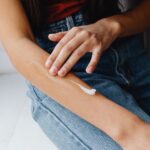
The single most important habit is moisturizing. Apply a thick, fragrance-free emollient cream or ointment at least twice a day. The best time is right after a bath, within three minutes, while the skin is still slightly damp. This locks in the water. Ointments like petroleum jelly are heavier and work well for very dry areas. Creams are easier to spread and may be more acceptable to a toddler who dislikes a greasy feel.
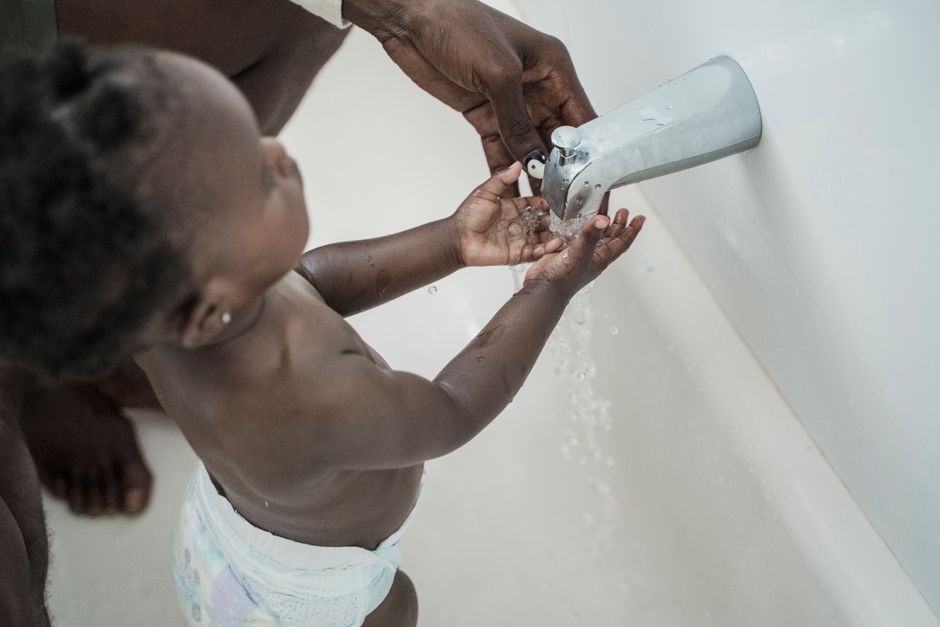
Bathing is also part of the routine. A daily lukewarm bath for five to ten minutes is helpful. It hydrates the skin and allows you to remove irritants and allergens from the skin surface. Use a gentle, soap-free cleanser only where needed. Scrubbing is not helpful. Pat the skin dry with a soft towel—do not rub.
When Moisturizers Are Not Enough
If your toddler is still itchy and red despite a solid moisturizing routine, it is time to move to the next step. This is where topical treatments come in. The first line of treatment after moisturizing is usually a low-strength hydrocortisone cream, which is available over the counter.
Hydrocortisone 1% is a mild steroid. It reduces inflammation and calms the itch. It is appropriate for small areas of mild eczema on the body. You should apply a thin layer to the affected area once or twice a day, usually for no more than seven days at a time without checking with a doctor.
There is a common fear about steroids in parents. The concern is usually about skin thinning, which can happen with prolonged use of strong steroids. However, using a mild steroid for a few days to get a flare under control is considered safe and is much better for the child than leaving inflamed skin untreated. Untreated eczema leads to scratching, broken skin, and a higher risk of skin infections.



How To Treat Toddler Eczema Skin Care To Steroids: The Step-Up Approach
Doctors use a “step-up” approach to eczema. You start with the mildest treatment that works. If it does not work, you step up to something stronger. If it works, you step back down. This is the core principle of managing eczema in toddlers.
Here is how the steps usually look in practice:
- Step 1: Daily moisturizing. This is always the base. It is not optional.
- Step 2: Over-the-counter hydrocortisone 1%. Use this for mild flares on the body, not the face.
- Step 3: Prescription steroids. A pediatrician or dermatologist may prescribe a stronger steroid for moderate to severe flares, or for eczema on the face, where mild steroids are not recommended for long-term use.
- Step 4: Non-steroid prescription creams. These are newer options that block inflammation without using steroids. They are often used on the face or for children who need long-term treatment.
The prescription step is not a failure. It is simply the right tool for a more stubborn case. A pediatrician will match the strength of the steroid to the severity of the eczema and the area of the body being treated.
What Parents Should Know About Prescription Steroids
Prescription steroids come in different strengths, from mild to very potent. They are grouped into classes, with Class 1 being the strongest and Class 7 the mildest. A pediatrician will usually start with a mid-strength or mild prescription steroid for a toddler.
These are the rules that matter for safe use. Apply only to the affected areas, not to healthy skin. Use the smallest amount that covers the rash. Use it once or twice a day as directed. Do not cover the area with tight bandages or plastic wrap unless a doctor specifically tells you to, as this increases absorption.
The face, neck, and skin folds are more sensitive to steroids. They absorb more medication, so doctors are more cautious about what they prescribe for these areas. A common instruction is to use a weaker steroid on the face and a stronger one on the body.
When the flare clears, you stop the steroid and return to the moisturizing routine. You do not taper off a mild or mid-strength steroid used for a few days. Tapering is usually reserved for strong steroids used for weeks, which is rarely the case for toddlers.
What If Steroids Do Not Work?
If the eczema does not improve after a week of using the prescribed steroid correctly, tell the pediatrician. This can happen for a few reasons. The steroid may be too weak for the severity of the flare. The eczema may be infected with bacteria, most commonly staph. Or the diagnosis may not be eczema at all—other skin conditions can look similar.
Signs of an infected eczema include increased redness, warmth, oozing yellow crusts, or fluid-filled blisters. If you see these signs, contact your pediatrician promptly. Infected eczema usually needs an antibiotic, either topical or oral, in addition to the steroid treatment.
There are also non-steroid prescription options that work through a different mechanism. These are called topical calcineurin inhibitors. They are approved for children over two years old in some cases. They do not carry the same risk of skin thinning as steroids, which makes them useful for delicate areas like the face and eyelids. The evidence for their effectiveness is solid, but they are not the first choice for every child.
Lifestyle Changes That Reduce Flare-Ups
Medication controls the flare, but daily habits determine how often flares happen. Clothing matters. Dress your toddler in soft, breathable fabrics like cotton. Avoid wool and synthetic materials that can irritate the skin or trap heat. Wash new clothes before wearing them to remove dyes and finishing chemicals.
Use fragrance-free laundry detergent. Fabric softeners and dryer sheets often contain fragrances that can trigger eczema. A double rinse cycle can help remove detergent residue. Keep the house cool and the humidity moderate. Overheating is a common trigger for itching, especially at night.
Keep fingernails short and smooth. This does not stop the itch, but it reduces the damage from scratching. For nighttime scratching, some parents use cotton mittens or socks on the hands. This is not a cure, but it protects the skin while the child sleeps.
When To See A Pediatric Dermatologist
Most toddler eczema is managed by a pediatrician. But there are situations where a specialist is needed. If the eczema is widespread and not responding to prescription treatment, if it is severely impacting sleep, or if you need to use a steroid almost every day to keep it under control, ask for a referral.
A dermatologist can offer additional options. These include wet wrap therapy, where a damp layer of clothing is applied over the moisturizer and steroid to boost absorption. They can also prescribe stronger non-steroid options or, in severe cases, oral medications that affect the immune system. These are not first-line treatments, but they exist for children who do not respond to topical care.
Do not wait until the eczema is severe to seek help. Earlier intervention with a clear treatment plan usually results in better control and less medication use overall.
Frequently Asked Questions
Can I use hydrocortisone cream on my toddler’s face?
Over-the-counter hydrocortisone should be used with caution on the face and only for short periods. For facial eczema, it is safer to ask a pediatrician for a specific recommendation.
How long can my toddler use steroid cream?
Use the steroid only until the flare clears, which is usually a few days to a week. If the rash does not improve after seven days, contact your pediatrician.
Is it safe to use steroid cream every day?
Daily use is acceptable for short periods during a flare, as directed by a doctor. Using it continuously for weeks or months without medical supervision increases the risk of side effects.
What is the best moisturizer for toddler eczema?
The best moisturizer is a thick, fragrance-free ointment or cream applied at least twice daily. Ointments like petroleum jelly are most effective, but a heavy cream is a good alternative if your child dislikes the texture.
