
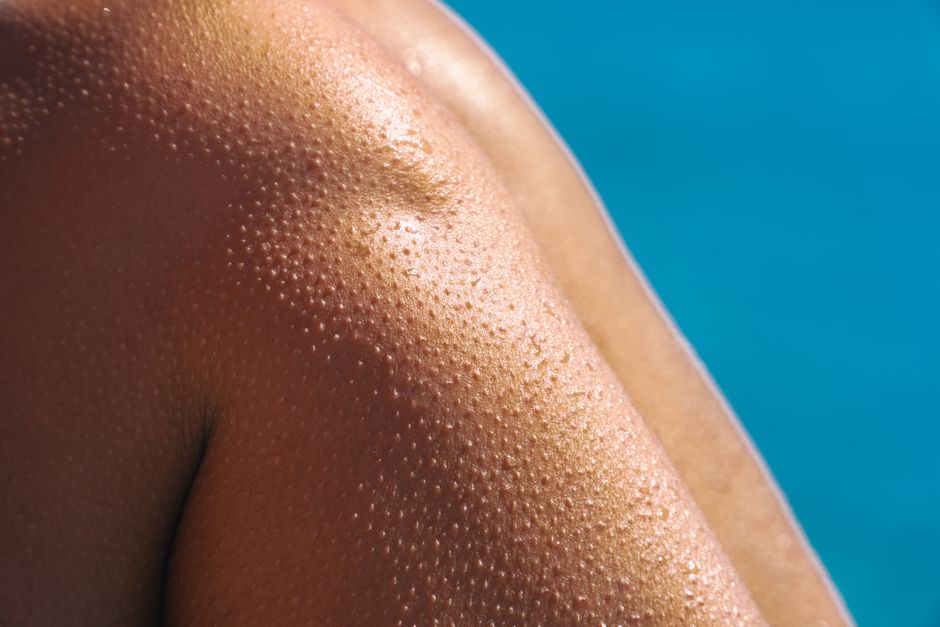
If you have noticed small, rough bumps on your arms, thighs, or cheeks that look like goosebumps that never go away, you likely have a very common skin condition. These bumps are not pimples, and they are not caused by poor hygiene or dry skin alone. The medical name for this condition is keratosis pilaris, and it happens when a protein called keratin builds up inside your hair follicles. This buildup creates a plug that blocks the follicle opening, causing those characteristic rough, bumpy patches. It is a genetic condition, meaning your skin is simply programmed to shed dead skin cells differently, and it is completely harmless.
What Exactly Is Keratosis Pilaris?
Keratosis pilaris, or KP, is a disorder of the hair follicle. Inside each follicle, skin cells and a protein called keratin are produced. In normal skin, old cells shed off the surface. In KP, the cells and keratin do not shed properly. They get stuck together and form a hard plug at the opening of the follicle. This plug is what you feel as a rough bump.
The bumps are usually small, about the size of a grain of sand. They can be skin-colored, white, or red. Sometimes they look a little like permanent goosebumps or chicken skin, which is how the condition got its common name. The skin around the bumps may also feel dry or look a bit pink. It is not an infection, and it is not contagious. You cannot catch it or give it to someone else.
What Causes Chicken Skin in the First Place?
The direct cause of keratosis pilaris is a buildup of keratin blocking the hair follicle. But the real question is why this happens. Research shows it is largely genetic. If one or both of your parents have KP, you are very likely to have it too. Studies have found that certain gene variations affect how your skin cells stick together and how they shed.
Some studies suggest that KP is linked to other conditions like eczema, asthma, and dry skin. People with these conditions tend to have a higher chance of developing KP. It is also more common in children and teenagers. Many people see their KP improve as they get older, sometimes disappearing completely by their 30s or 40s. Hormonal changes, especially during puberty, can make the bumps more noticeable. Pregnancy can also worsen KP for some women.
There is a widespread claim that KP is caused by a vitamin A deficiency. As of 2026, there is no clinical evidence that a lack of vitamin A in the diet causes keratosis pilaris in the general population. While severe vitamin A deficiency can cause skin changes, that is a different condition and is very rare in developed countries. The bumps from vitamin A deficiency look different and are accompanied by other symptoms like night blindness. Do not take high-dose vitamin A supplements hoping to fix KP. That can be dangerous.
Does What Causes Chicken Skin Actually Work for Treatment?
This question is a bit misleading because the cause is genetic, not something you can fix. You cannot change your genes. What you can do is manage the symptoms. The goal of treatment is to remove the keratin plugs and smooth the skin. It is about managing the condition, not curing it.
The most effective treatments focus on exfoliation and moisturizing. Physical exfoliation, like using a loofah or a gentle scrub, can help remove the top layer of dead skin. But be careful. Scrubbing too hard can irritate the skin and make the bumps redder and more inflamed. Gentle, consistent exfoliation is better than aggressive scrubbing once in a while.
Chemical exfoliants are often more effective than physical ones. Products containing lactic acid, salicylic acid, or glycolic acid can help dissolve the keratin plugs. These are the same ingredients found in many over-the-counter body lotions and creams for rough skin. Urea-based creams are another option. Urea helps soften the keratin and allows it to shed more easily. A study published in the Journal of the American Academy of Dermatology found that a 12% ammonium lactate lotion significantly improved the appearance of KP over 12 weeks compared to a placebo.
Moisturizing is essential. Dry skin makes KP worse because the plugs become harder and more noticeable. Use a thick, fragrance-free moisturizer right after you shower. Look for ingredients like ceramides or shea butter. Keeping the skin hydrated helps the bumps feel softer and less rough.



What Does Research on Keratosis Pilaris Show?
Research on KP is not as extensive as research on other skin conditions like eczema or acne. But there is good evidence for some things. A 2021 review in the journal Dermatology and Therapy confirmed that KP is a genetic condition involving abnormal keratinization. The review also noted that it is very common, affecting anywhere from 40% to 80% of adolescents and about 40% of adults.
Another study looked at the effectiveness of laser treatments for KP. Some people with very red bumps found that pulsed dye laser treatments helped reduce the redness. The evidence for this is moderate. It is not a first-line treatment and is usually reserved for cases where redness is a major concern and topical treatments have not worked well enough. The cost and need for multiple sessions make it less practical for most people.
There is also some research on the role of the skin microbiome. This is the community of bacteria and other microbes living on your skin. Some studies suggest that people with KP may have a different balance of skin bacteria. However, this is still an early area of research. There are no probiotics or microbiome-based treatments proven to work for KP as of 2026.
What Are the Side Effects of Common KP Treatments?
Most treatments for KP are topical and generally safe. But they can cause side effects, especially if you use them incorrectly. Over-exfoliating is the most common mistake. Using a harsh scrub every day or using a strong chemical exfoliant too often can strip your skin of its natural oils. This leads to redness, stinging, peeling, and even more dryness. Your skin may look worse than before you started.
Chemical exfoliants like lactic acid and glycolic acid can cause a mild burning or stinging sensation when you first apply them. This usually fades as your skin gets used to the product. If the stinging is severe or lasts a long time, you are using a product that is too strong for your skin. You should stop using it and try a lower concentration.
Urea creams can also cause irritation. Urea is a keratolytic, meaning it breaks down keratin. If you have sensitive skin, start with a low concentration cream, like 10% urea. Higher concentrations, like 30% or 40%, are used for thick calluses and can burn normal skin.
Always do a patch test before using a new product on a large area. Apply a small amount to a patch of skin on your inner arm and wait 24 hours to see if you have a reaction. This is especially important if you have sensitive skin or a history of allergies.
How to Manage KP Long-Term
KP is a chronic condition. It may improve with age, but it can also come and go. The key is consistent, gentle care. Here is a practical routine that many dermatologists recommend. It is based on what the evidence shows works best.
- Gentle cleansing: Use a mild, soap-free body wash. Avoid hot water. Hot water strips your skin of moisture. Take warm showers instead.
- Moisturize immediately: Apply a thick moisturizer within three minutes of getting out of the shower. This locks in moisture. Look for creams with ceramides or shea butter.
- Use a chemical exfoliant: Use a lotion with lactic acid, salicylic acid, or glycolic acid once a day. Start with every other day if your skin is sensitive. Apply it to dry skin after showering.
- Physical exfoliation once or twice a week: Use a soft silicone scrubber or a gentle loofah. Do not scrub hard. Let the product do the work.
- Be patient: It takes weeks to months to see improvement. The bumps will not disappear overnight. Consistency matters more than intensity.
If you have tried these steps for a few months and see no improvement, see a board-certified dermatologist. They can prescribe stronger treatments like topical retinoids. Retinoids help speed up cell turnover and can be effective for stubborn KP. However, they can be irritating and are not usually the first choice for large body areas.
Common Misconceptions About Chicken Skin
There are many myths about KP that need to be cleared up. One is that it is caused by not washing well enough. This is false. Scrubbing harder will not fix the problem and will likely make it worse. Another myth is that it is a sign of poor health. KP is a cosmetic issue. It does not affect your overall health at all.
Some people believe that sun exposure helps clear KP. While the sun can temporarily dry out the bumps and make them less noticeable, it is not a treatment. Sun exposure damages your skin and increases your risk of skin cancer. Do not use tanning beds or sunbathing as a treatment for KP. The temporary improvement is not worth the long-term risk.
Another common claim is that switching to a gluten-free or dairy-free diet will cure KP. There is no solid evidence that diet causes or cures keratosis pilaris in the general population. Some people report improvement when they cut out certain foods. This is possible if they have an undiagnosed food sensitivity that also affects their skin. But for most people with KP, diet changes do not make a difference. It is a genetic condition, not a food allergy.
When to See a Doctor
Most people with KP never need to see a doctor for it. It is harmless. But there are times when a visit to a dermatologist is a good idea. If the bumps are very red, inflamed, or itchy, you may have a secondary condition like eczema or folliculitis. A doctor can tell the difference and recommend the right treatment.
If over-the-counter treatments have not helped after several months of consistent use, a dermatologist can offer prescription options. They can also rule out other skin conditions that look similar. For example, lichen spinulosus and phrynoderma can look like KP but have different causes. A proper diagnosis is important before starting any treatment plan.
Finally, if the bumps are causing you significant emotional distress, that is a valid reason to see a doctor. KP is not dangerous, but it can affect your confidence. A dermatologist can help you find a management plan that works for your skin and your lifestyle.
Frequently Asked Questions
Can keratosis pilaris go away on its own?
Yes, for many people it improves or disappears with age, often by their 30s or 40s. It is not guaranteed, and some people have it their whole life.
Is keratosis pilaris caused by a vitamin deficiency?
No, there is no strong evidence that a vitamin deficiency causes KP in the general population. It is a genetic condition involving how skin cells shed.
What is the best lotion for chicken skin?
Lotions containing lactic acid, salicylic acid, or urea are considered most effective. Look for products like AmLactin or CeraVe SA Cream.
Does shaving or waxing make keratosis pilaris worse?
Shaving can irritate the bumps and make them more noticeable. Waxing may help by removing the plugs temporarily, but the bumps will return as the hair grows back.
