
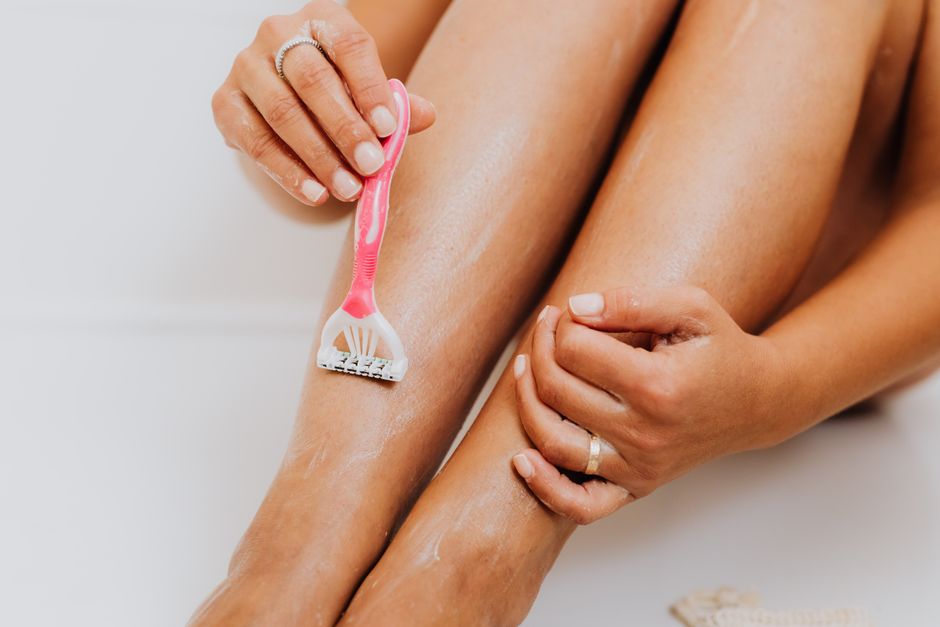
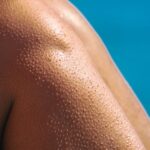
Chicken skin — the medical name is keratosis pilaris — looks like small rough bumps on your arms, thighs, or cheeks. It is not harmful. It is not a rash. It happens when keratin builds up and blocks hair follicles. The good news is you can smooth it with the right routine. The steps are: gentle exfoliation, moisturizing with specific ingredients, and consistent care over weeks. Avoid scrubbing hard or picking at the bumps. That makes it worse. Here is what the research actually says about how to remove chicken skin step by step.
What Exactly Is Chicken Skin and Why Does It Happen?
Keratosis pilaris (KP) is a genetic condition where dead skin cells do not shed normally. Instead they build up around hair follicles. This creates those small rough bumps that look like goosebumps or chicken skin. The American Academy of Dermatology states it affects about 40% of adults and up to 80% of teenagers. It is most common on the upper arms, thighs, and sometimes the cheeks or buttocks.
The cause is not fully understood but genetics play a big role. If your parents had it you likely will too. It is not caused by poor hygiene or dry skin alone though dryness can make it look worse. KP is also more common in people with eczema or asthma. The bumps are keratin plugs not clogged pores from oil. That is why acne treatments usually do not work on chicken skin.
One non-obvious fact: KP often gets better with age. Many people see it fade in their 30s and 40s. But for others it persists. The goal is not to cure it permanently — there is no cure. The goal is to manage the appearance and texture so the bumps are less noticeable and skin feels smoother.
How To Remove Chicken Skin Step by Step: The Daily Routine
There is no single product that fixes chicken skin overnight. The effective approach combines three actions: gentle exfoliation, targeted moisturizing, and patience. Here is the step-by-step routine that research and dermatologists support.
Step 1: Use a gentle chemical exfoliant 3-4 times per week. Physical scrubs with beads or sugar can irritate KP and make bumps more red. Chemical exfoliants work better. Look for lotions or creams containing alpha hydroxy acids (AHAs) like lactic acid or glycolic acid. A 2015 study in the Journal of the American Academy of Dermatology found that 12% ammonium lactate lotion significantly reduced KP bumps after 8 weeks. You can also try salicylic acid which helps break down keratin. Apply after showering when skin is clean and slightly damp.
Step 2: Apply a moisturizer with urea or ceramides daily. Urea is a humectant that draws water into skin and gently breaks down dead skin cells. Products with 10% to 20% urea are effective for KP. Ceramides help repair the skin barrier. Moisturizing alone will not remove bumps but it softens the skin and reduces the rough texture. Apply every day even on non-exfoliation days.
Step 3: Be consistent for at least 4 weeks. Skin cell turnover takes about 28 days. You will not see results in a week. Most people who stick with the routine notice smoother skin after 4 to 6 weeks. If you stop for a few weeks the bumps usually return. This is a maintenance condition not a one-time fix.
What Does Research Say About Exfoliation Methods for Chicken Skin?
Studies have compared different exfoliation approaches for keratosis pilaris. The strongest evidence supports chemical exfoliants over physical ones. A 2018 review in the Journal of Dermatological Treatment looked at multiple studies on KP treatments. The authors concluded that topical exfoliants containing lactic acid, glycolic acid, or salicylic acid were the most effective first-line treatments.
Physical exfoliation like loofahs, dry brushing, or scrubs can temporarily smooth the skin. But the evidence shows they often worsen inflammation. When you scrub hard you irritate the follicles and the body responds by producing more keratin. That makes the bumps worse over time. The same review noted that physical exfoliation alone rarely produces lasting improvement.
Laser treatments have some evidence too. A 2020 study in Lasers in Surgery and Medicine found that pulsed dye laser reduced redness and bumpiness in some KP patients. But lasers are expensive and not covered by insurance for cosmetic skin conditions. Most dermatologists recommend trying topical treatments first for at least 3 months before considering laser.
One clarification: there is no evidence that tanning or sun exposure helps chicken skin. Some people think the bumps look less noticeable with a tan. But UV damage thins the skin and can make KP more red and irritated long term. Sun protection is still important on affected areas.
What Ingredients Actually Work for Chicken Skin?
Not all moisturizers and exfoliants are equal for KP. Some ingredients have solid research behind them. Others are popular on social media but lack evidence. Here is what the data supports.
| Ingredient | What It Does | Evidence Level |
|---|---|---|
| Lactic acid (5-12%) | Exfoliates and moisturizes. Helps loosen keratin plugs. | Strong — multiple clinical studies |
| Glycolic acid (10-20%) | Stronger exfoliant. Better for thicker skin on thighs. | Strong — well-documented in dermatology |
| Salicylic acid (2%) | Breaks down keratin and unclogs follicles. | Moderate — some studies, widely used |
| Urea (10-20%) | Softens keratin and hydrates deeply. | Moderate — effective but less studied for KP specifically |
| Ammonium lactate (12%) | Prescription-strength exfoliant and moisturizer. | Strong — specific KP study from 2015 |
| Coconut oil | Moisturizes but does not exfoliate. | Weak — no evidence it removes bumps |
| Vitamin E oil | Antioxidant but no keratin-breaking effect. | Weak — anecdotal only |
The most effective routine combines one exfoliating ingredient with a moisturizer that supports skin barrier function. Do not layer multiple acids at once. That causes irritation. Pick one exfoliant and use it 3 times per week. On other days just moisturize.
What Should You Avoid When Trying to Remove Chicken Skin?
Many common recommendations for chicken skin actually make it worse. Here is what to skip based on dermatologist guidance and research.
- Avoid harsh physical scrubs. Sugar scrubs, salt scrubs, and pumice stones irritate the skin and increase redness. The bumps may feel smoother for a few hours then come back more inflamed.
- Do not pick or squeeze the bumps. Each bump is a keratin plug inside a hair follicle. Squeezing it damages the follicle and can cause scarring or hyperpigmentation. Some people mistake KP for acne and try to pop it. That is a mistake.
- Skip thick heavy creams with petrolatum. These can trap dead skin cells and make keratin buildup worse. Look for non-comedogenic moisturizers that absorb quickly.
- Avoid hot showers. Hot water strips natural oils from skin and worsens dryness. Dry skin makes KP bumps look more prominent. Use warm water and limit showers to 10 minutes.
- Do not use retinol without guidance. Retinoids can help some forms of KP but they are strong and cause irritation if overused. A 2016 study in Dermatology and Therapy found that adapalene (a prescription retinoid) reduced KP in some patients but caused redness in others. Start low and slow only if recommended by a dermatologist.
One more thing to avoid: believing that expensive creams work better. A $60 cream with 10% urea is not necessarily better than a $15 cream with the same concentration. The ingredient matters more than the brand. Check the active ingredient list on the label not the marketing claims.
Does Diet Affect Chicken Skin?
This is a common question with limited evidence. Some people report that their KP improves when they eat fewer dairy products or more omega-3 fatty acids. But large clinical studies have not confirmed a direct link between diet and keratosis pilaris.
What the research does show is that KP is linked to dry skin and inflammation. A diet low in essential fatty acids can contribute to dry skin overall. The National Institutes of Health notes that omega-3 deficiency can cause rough, scaly skin. So eating fatty fish, flaxseeds, or walnuts might support general skin health. But there is no specific KP diet.
Some small studies suggest that vitamin A deficiency might worsen keratin buildup. But most people with KP have normal vitamin A levels. Taking high-dose vitamin A supplements can be toxic. Do not do that without a doctor checking your levels first. The safest approach is a balanced diet with plenty of fruits, vegetables, and healthy fats. If your skin improves you will not know if it was the diet or just time. That is okay — it still helps overall health.
How Long Does It Take to See Results?
Realistic expectations matter. Most people who follow the routine consistently see noticeable improvement in 4 to 6 weeks. The bumps become smaller and less rough. The redness around them may fade more slowly — that can take 8 to 12 weeks. Complete disappearance is rare. The goal is smoother skin not perfect skin.
If you see no change after 8 weeks of consistent care, consider seeing a dermatologist. They can prescribe stronger formulations like 12% ammonium lactate cream or a compounded treatment with urea and salicylic acid. Some dermatologists also offer in-office treatments like microdermabrasion or laser therapy. But these are second-line options after topical treatments fail.
One important note: KP often fluctuates with seasons. Many people find it looks worse in winter when indoor heating dries out the skin. It can look better in summer with more humidity. Do not assume your routine stopped working if winter makes it worse. Adjust by moisturizing more frequently during dry months.
Frequently Asked Questions
Can chicken skin go away on its own?
Yes, many people see improvement with age, especially after age 30. But for some it persists and requires ongoing management.
Is it safe to use a loofah on chicken skin?
No, loofahs and physical scrubs often irritate KP and make bumps more inflamed. Chemical exfoliants are safer and more effective.
Does coconut oil help remove chicken skin?
Coconut oil moisturizes but does not exfoliate. It can soften the skin temporarily but will not remove keratin plugs.
Should I see a doctor for keratosis pilaris?
Only if over-the-counter treatments do not work after 8 weeks or if the bumps become red, itchy, or painful. A dermatologist can prescribe stronger options.
