
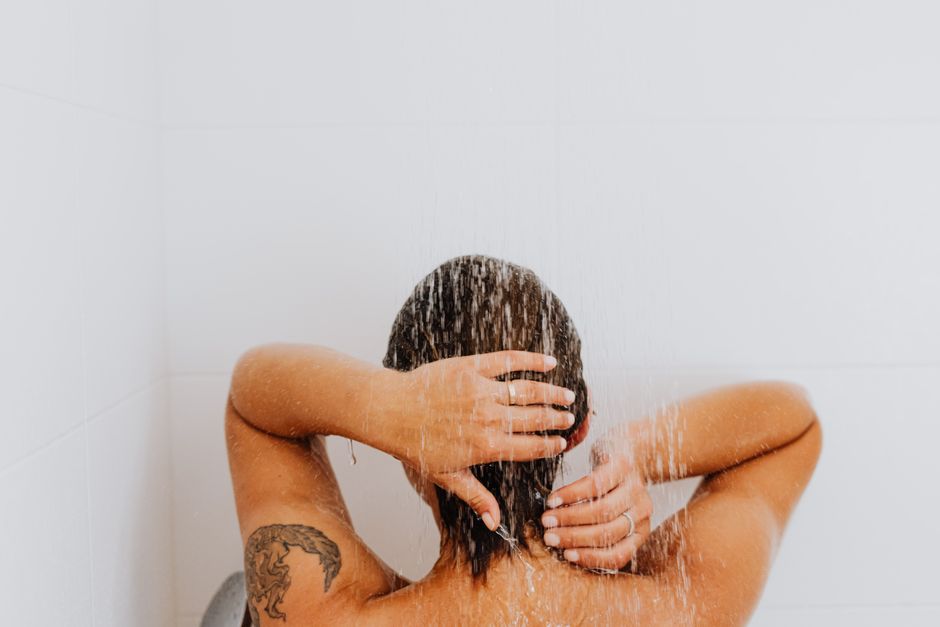
The best time to moisturize is right after a shower while your skin is still damp. Damp skin absorbs moisturizer more effectively than dry skin, helping to lock in water and keep skin hydrated longer. Apply your moisturizer within three minutes of stepping out of the shower for the best results.
Why should you moisturize damp skin after a shower?
Your skin loses water during a shower, especially with hot water. When you pat dry and leave skin slightly damp, the outer layer still contains surface water. Applying moisturizer at this point traps that water inside the skin barrier.
This is called the “damp skin method.” It works because moisturizers contain ingredients called occlusives that form a seal over the skin. Humectants in the moisturizer draw moisture from the deeper layers and the air. Together they keep your skin supple and reduce water loss throughout the day.
Research consistently supports that applying moisturizer to damp skin improves hydration more than applying it to fully dry skin. This is a standard recommendation from dermatologists for managing dry skin and eczema.
What type of moisturizer works best for damp skin?
Any moisturizer works better on damp skin than on dry skin. But some types are more effective.
For general use, choose a moisturizer that contains both humectants and occlusives. Humectants include glycerin, hyaluronic acid, and aloe vera. Occlusives include petrolatum, shea butter, squalane, and mineral oil. Ceramides and fatty acids also help repair the skin barrier.
Lotions have higher water content and work well for normal to slightly dry skin. Creams are thicker and suit moderate dryness. Ointments like petroleum jelly have the strongest occlusive effect but can feel heavy. They are best for very dry or irritated skin, especially in winter.
If you have oily or acne-prone skin, use a lighter gel or water-based moisturizer. Applying it to damp skin still helps, but avoid heavy occlusives that can clog pores.
How To Moisturize After A Shower Damp Skin Tips
Follow these steps for consistent results.
- Step 1: After showering, gently pat your skin with a towel. Do not rub. Leave your skin visibly damp but not dripping.
- Step 2: Within 3 minutes — while your skin is still moist — apply a generous amount of moisturizer. Start with your face and neck, then move to your arms, legs, and torso.
- Step 3: Use gentle, upward strokes. No need to massage aggressively. The goal is even coverage, not absorption through force.
- Step 4: Wait a minute or two before dressing. This gives the moisturizer time to sink in without being rubbed off by clothing.
- Step 5: For extra dry areas like elbows, knees, and hands, apply a second, thinner layer or use a heavier cream.
If you use prescription topical medications — such as for eczema or psoriasis — apply them first, then wait 15 to 20 minutes before applying your moisturizer over them. This prevents diluting the medication.




What is the best time to apply moisturizer?
The ideal time is right after your shower or bath. Your skin stays damp for a few minutes after patting dry. That window — dermatologists often call it the “three-minute rule” — is when the moisturizer will work best.
If you cannot moisturize within 3 minutes, you can rewet your skin slightly with a spray of water or a damp washcloth before applying. This recreates the damp condition. But it is less effective than applying immediately after showering.
For people with very dry skin, moisturizing twice daily — once after your morning shower and once before bed — provides better results than a single application.
Common mistakes to avoid when moisturizing damp skin
Rubbing your skin dry with a towel removes more moisture than patting. Patting leaves a thin layer of water for the moisturizer to seal in.
Waiting too long after the shower lets that surface water evaporate. By the time you apply moisturizer, your skin is already dry. You lose the benefit of the damp skin method.
Using too little moisturizer is another common error. A pea-sized amount is not enough for your whole body. For legs and arms, use a quarter-sized amount per limb. Your skin should feel lightly coated, not greasy.
Skipping moisturizer on damp skin because you think it will not absorb well is a myth. It absorbs more readily on damp skin because the water opens the skin barrier temporarily, allowing ingredients to penetrate deeper. Once the water evaporates, the barrier closes again, trapping the moisturizer inside.
Does the damp skin method work for all skin types?
Yes, it works for normal, dry, oily, combination, and sensitive skin. The difference is in the moisturizer you choose, not the method.
People with oily or acne-prone skin sometimes worry that moisturizing on damp skin will cause breakouts. The truth is that skipping moisturizer can actually increase oil production, as your skin tries to compensate for dryness. Using a non-comedogenic, lightweight moisturizer on damp skin helps maintain balance without clogging pores.
For sensitive skin, the damp skin method can reduce irritation. Many moisturizers spread more easily on damp skin, meaning you need less friction to apply them. Less friction means less irritation. Choose fragrance-free, hypoallergenic products.
If you have eczema or very dry skin, applying a thick emollient or ointment to damp skin is a cornerstone of treatment. The moisture trapped under the occlusive barrier helps repair the skin and reduces itching.
What about moisturizing your face after a shower?
Facial skin is thinner and more delicate than body skin. The same damp skin principle applies. After washing your face, pat it dry and apply your facial moisturizer or serum within one minute.
If you use multiple products — like a serum, eye cream, and moisturizer — apply them in order of thinnest to thickest consistency. Serums first, then creams, then oils or thicker treatments. Each layer should be applied while the previous layer is still slightly damp.
One caveat: if you use a prescription retinoid or acne medication, apply it to completely dry skin to minimize irritation. Wait at least 20 minutes after washing your face, then apply the medication, then moisturize. Do not use the damp skin method for these products unless your doctor directs otherwise.
Can you moisturize too much?
Applying moisturizer once or twice daily on damp skin is not dangerous. Over-moisturizing — applying excessive amounts multiple times a day — can make the skin feel greasy but is unlikely to cause harm.
Some people worry that frequent moisturizing makes the skin “lazy” and dependent. This is not supported by evidence. The skin does not stop producing its own moisture. But if you have dry skin, it needs help. The damp skin method simply optimizes what you already apply.
Frequently Asked Questions
Should I moisturize immediately after showering?
Yes, within three minutes is ideal. This is called the three-minute rule and gives your skin the best chance to lock in moisture.
Is it better to put lotion on wet or dry skin?
On damp skin, not soaking wet. Damp skin absorbs moisturizer better than dry skin, but dripping wet skin can dilute the product and reduce its effect.
Can I use body oil on damp skin instead of lotion?
Yes, body oil works well on damp skin. Apply it while your skin is still slightly wet to help the oil spread evenly and seal in moisture.
How long does it take for moisturizer to absorb into damp skin?
Usually one to two minutes. You will feel the moisturizer start to sink in. If it feels sticky after that, you may have used too much or need a lighter formula.
