
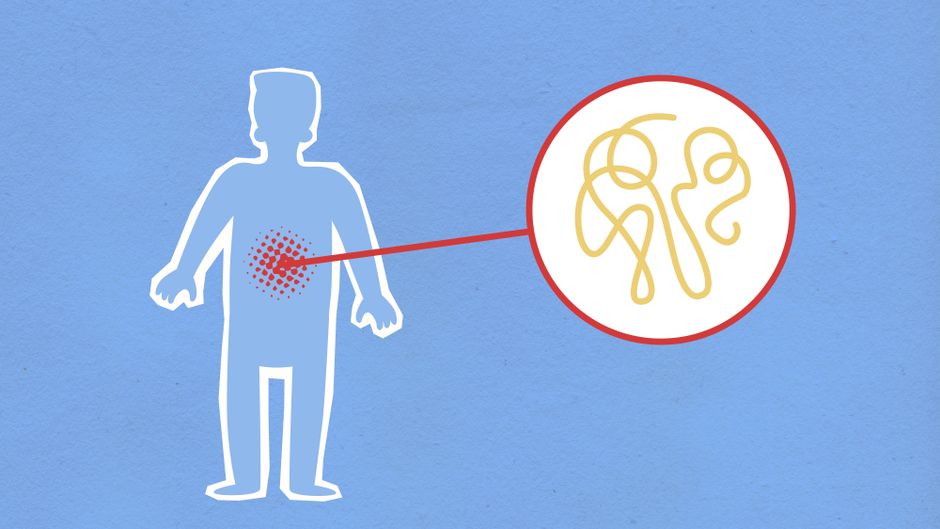
Candida overgrowth in the gut happens when the natural balance of microbes in your digestive tract is disturbed. This yeast normally lives harmlessly in small amounts, but certain conditions let it multiply out of control. The main triggers include taking antibiotics, eating a diet high in sugar and refined carbohydrates, chronic stress, and having a weakened immune system. When the bacteria that usually keep Candida in check are reduced or killed, Candida can take over.
What Causes Candida Overgrowth In The Gut?
The most common trigger is antibiotic use. Antibiotics are designed to kill bacteria, but they do not discriminate between harmful bacteria and the helpful bacteria living in your gut. When those protective bacteria are wiped out, Candida has room to grow. Even a single course of antibiotics can shift the balance, though the effect is usually temporary.
Diet plays a major role too. Candida feeds on sugar and simple carbohydrates. A diet high in processed foods, sweets, refined grains, and alcohol provides a steady fuel source. The more sugar available, the faster Candida can multiply. This is why people with diabetes or insulin resistance are at higher risk.
Chronic stress affects your immune system and gut function. Stress hormones like cortisol can suppress immune activity, making it harder for your body to keep Candida in check. Stress also changes gut motility and can alter the gut environment, favoring yeast growth.
Immune system problems, whether from illness, medications like corticosteroids, or treatments like chemotherapy, leave the body less able to control Candida. HIV/AIDS, autoimmune diseases, and organ transplants also increase risk. Even pregnancy changes immune function and hormone levels, which can sometimes lead to yeast overgrowth.
Other factors include alcohol use, which damages gut lining and alters the microbiome, and possibly long-term use of proton pump inhibitors (acid reflux drugs) that change stomach acidity and allow more microbes to survive into the intestines. Some research suggests that oral contraceptives may promote Candida growth in some women, but the evidence is not consistent.
How Candida Overgrowth Develops in the Gut
Candida albicans is a fungus that normally lives on mucous membranes including the gut lining. In healthy people, it exists in a harmless yeast form. Beneficial bacteria such as Lactobacillus produce substances that inhibit Candida growth. The immune system also keeps yeast numbers low.
When the balance tips, Candida can change form. It transforms from a round yeast cell into an elongated, invasive hyphal form. These hyphae can burrow into the intestinal wall, causing inflammation and increasing intestinal permeability — often called leaky gut. This process is well documented in laboratory studies and in animal models, though how much it contributes to symptoms in humans is still debated.
Once Candida reaches high numbers in the gut, it releases byproducts and toxins. One such toxin is acetaldehyde, which is also a byproduct of alcohol metabolism. Acetaldehyde can interfere with nutrient absorption and immune function. The yeast also produces other metabolites that may trigger immune reactions and inflammation throughout the body.
It is important to note that overgrowth in the gut is different from a serious bloodstream infection (candidemia) that affects hospitalized patients. Gut overgrowth is a milder, chronic condition, but its existence and clinical significance are not universally accepted by all doctors. Some clinicians consider it a real syndrome, while others point out that many people have small amounts of Candida without symptoms.
Recognizing Signs of Candida Overgrowth
Symptoms attributed to Candida overgrowth are wide-ranging and nonspecific. The most commonly reported include digestive issues like bloating, gas, constipation, or diarrhea. Many people also report brain fog, fatigue, recurrent yeast infections, oral thrush (white patches in the mouth), skin rashes, and strong cravings for sugar and carbohydrates.
However, it is important to be honest: these symptoms overlap with many other conditions, including irritable bowel syndrome, small intestinal bacterial overgrowth (SIBO), food intolerances, and thyroid disorders. There is no single symptom that confirms Candida overgrowth. A doctor should rule out other causes before assuming Candida is the problem.
Oral thrush and recurrent vaginal yeast infections are clearer signs of yeast overgrowth, but they do not necessarily mean the gut is affected. Systemic symptoms like fatigue and brain fog are harder to link directly to Candida because the science is not settled on whether yeast in the gut can cause these effects in most people.




How Candida Overgrowth Is Diagnosed
There is no widely accepted standard test for Candida overgrowth in the gut. Stool tests can measure the amount of Candida DNA or culture the yeast, but results are hard to interpret. Many healthy people have some Candida in their stool. High levels may suggest overgrowth, but no clear cutoff exists. False positives and false negatives are possible.
Blood tests for antibodies (IgG, IgA, IgM) against Candida are sometimes used, but they only show that your immune system has been exposed to the yeast, not that overgrowth is present. Most people have some antibodies to Candida because it is a common organism. These tests are not considered reliable for diagnosis by mainstream medical guidelines.
Some clinicians use a combination of symptom questionnaires and lab results to make a clinical diagnosis. Others view the condition as unproven and do not diagnose it at all. If you suspect Candida overgrowth, it is reasonable to see a gastroenterologist or a functional medicine doctor who understands both the evidence and its limitations.
Treatment Approaches
Treatment is most clearly indicated for confirmed infections like oral thrush, vaginal yeast infections, or invasive candidiasis. For suspected gut overgrowth in otherwise healthy people, treatment is more controversial. Antifungal medications such as fluconazole are effective against Candida, but they are typically prescribed for short courses. Long-term use carries risks including liver toxicity and drug resistance.
Dietary changes are commonly recommended. The candida diet limits sugar, refined carbohydrates, alcohol, and sometimes dairy and gluten. The logic is to starve the yeast. There is some biological plausibility, but large clinical trials have not proven that a strict diet alone eliminates Candida overgrowth in the gut. Many people report feeling better on a low-sugar diet, but that improvement could be due to other dietary factors like reduced processed foods.
Probiotics are often suggested to restore beneficial bacteria. Lactobacillus and Bifidobacterium strains have been shown in laboratory studies to inhibit Candida. Some small human studies suggest probiotics may help reduce Candida colonization, but the evidence is not strong enough to recommend a specific probiotic for this purpose. The quality of supplements also varies widely.
Garlic (allicin), caprylic acid, and oregano oil are popular natural remedies. Laboratory studies show they can kill Candida in a dish. Human studies are very limited. No large trials have confirmed they work for gut overgrowth. Because these products are not regulated as drugs, their potency and safety are not guaranteed. Use caution, especially if you have a medical condition or take medications.
Preventing Candida Overgrowth
The best prevention is maintaining a healthy gut microbiome. That means using antibiotics only when necessary and taking them exactly as prescribed. A diet rich in vegetables, whole grains, lean protein, and fermented foods supports diverse gut bacteria. Limiting sugar and processed foods is prudent for many health reasons, not just Candida.
Managing chronic stress through exercise, sleep, and relaxation techniques supports immune function. Keeping blood sugar stable is important, especially if you have diabetes or prediabetes. Avoiding excessive alcohol also helps preserve gut lining integrity and microbial balance.
For people who are prone to yeast infections, some doctors recommend reducing simple carbohydrates and avoiding tight, non-breathable clothing. But for gut overgrowth specifically, the prevention strategies are the same as general gut health advice. There is no magic bullet.
Frequently Asked Questions
Can candida overgrowth go away on its own?
In mild cases, the body may rebalance without treatment once the trigger is removed, such as after stopping antibiotics. Persistent overgrowth usually requires addressing the underlying cause, and sometimes medication or diet changes are needed.
Is the candida diet effective?
Some people report symptom relief on a very low-sugar diet, but clinical evidence that it eradicates gut Candida is limited. The diet may improve other aspects of health, but it is not a proven cure.
What kills candida in the gut fast?
Antifungal medications like fluconazole are the most reliable way to reduce Candida quickly, but they require a prescription. Natural remedies have weaker evidence for rapid effects.
Can probiotics help prevent candida overgrowth?
Some studies suggest probiotics, especially Lactobacillus strains, may help maintain a healthy balance and reduce Candida colonization. However, they are not a guaranteed prevention and should not replace other healthy habits.
