
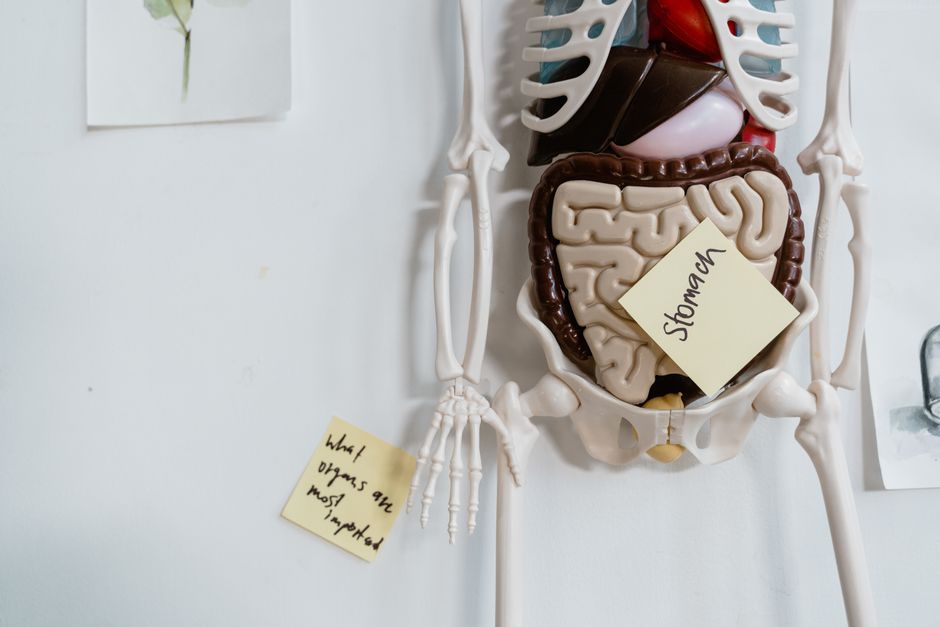
Gut health is the balance of bacteria and other microbes living in your digestive tract. This ecosystem, called the gut microbiome, helps digest food, supports your immune system, and even influences your mood. When your gut is healthy, your body absorbs nutrients properly and keeps inflammation low.
What Exactly Is the Gut Microbiome?
The gut microbiome is a community of trillions of microorganisms including bacteria, viruses, and fungi that live mainly in your large intestine. Every person has a unique mix of these microbes shaped by diet, environment, and genetics. The CDC states that the human gut contains over 1,000 known species of bacteria.
These microbes break down food that your body cannot digest on its own. They produce vitamins like B12 and K, and they create short-chain fatty acids that feed the cells lining your colon. A diverse microbiome with many different species is linked to better health outcomes. A less diverse one is linked to higher rates of chronic disease.
Research published in the journal Nature found that people with more varied gut bacteria had lower rates of obesity, type 2 diabetes, and heart disease. This does not prove cause and effect, but the pattern is consistent across many large studies.
How Does Gut Health Affect Your Whole Body?
The gut communicates with your brain through the vagus nerve, a direct highway of nerve fibers. This is called the gut-brain axis. Some studies suggest that gut bacteria produce neurotransmitters like serotonin and dopamine. About 90 percent of your body’s serotonin is made in the gut, not the brain.
Your immune system also depends on gut health. The gut lining acts as a barrier that keeps harmful substances out of your bloodstream. When the gut barrier weakens, a condition sometimes called leaky gut, larger particles can pass through and trigger immune responses. The American Gastroenterological Association notes that this is a real phenomenon in certain diseases, though its role in general health is still debated.
Inflammation is another link. An imbalanced gut microbiome can promote chronic low-grade inflammation throughout the body. This type of inflammation is tied to conditions like arthritis, fatty liver disease, and even some cancers. Research from Harvard Medical School shows that people with inflammatory bowel disease have distinctly different gut bacteria compared to healthy controls.
What Causes Poor Gut Health?
Several factors can damage the gut microbiome. A diet high in processed foods, sugar, and artificial sweeteners feeds harmful bacteria while starving beneficial ones. Antibiotics are another major cause. They kill both bad and good bacteria, and the microbiome can take months to recover. The National Institutes of Health reports that a single course of antibiotics can reduce gut bacteria diversity for up to one year.
Chronic stress also changes gut bacteria. Stress hormones like cortisol alter the environment in your digestive tract, making it easier for harmful bacteria to grow. Lack of sleep has a similar effect. A study in PLOS ONE found that just two nights of poor sleep reduced beneficial gut bacteria in healthy adults.
Other contributors include:
- Low fiber intake, which starves good bacteria
- Excessive alcohol consumption
- Smoking
- Lack of physical activity
- Overuse of nonsteroidal anti-inflammatory drugs (NSAIDs) like ibuprofen
These factors often combine. Someone who eats a low-fiber diet, takes frequent antibiotics, and lives with high stress will likely have a less diverse and less resilient gut microbiome.





What Are the Signs of an Unhealthy Gut?
Digestive symptoms are the most obvious. Bloating, gas, constipation, diarrhea, and heartburn can all signal gut imbalance. But signs go beyond the stomach. Fatigue, skin issues like eczema, and frequent infections may also point to gut problems. The World Gastroenterology Organization lists unexplained fatigue as a common symptom of gut disorders.
Mood changes are another clue. Anxiety, depression, and brain fog have all been linked to gut health. A 2020 review in Frontiers in Psychiatry found that people with irritable bowel syndrome were three times more likely to have depression than the general population. This does not mean gut issues cause depression, but the two are clearly connected.
Food intolerances can also signal gut imbalance. When the gut lacks certain bacteria, it struggles to break down specific foods. This leads to gas, bloating, and discomfort after eating. Lactose intolerance is a common example, but some people develop sensitivities to FODMAPs, which are carbohydrates found in many healthy foods like beans and apples.
How Can You Improve Your Gut Health Naturally?
The most effective way to improve gut health is through diet. Eating a wide variety of whole plant foods feeds different types of bacteria. The American Gut Project, a large citizen science study, found that people who ate more than 30 different plant species per week had the most diverse microbiomes. This includes vegetables, fruits, legumes, nuts, seeds, and whole grains.
Fermented foods are another powerful tool. Yogurt, kefir, sauerkraut, kimchi, and kombucha contain live bacteria that can add to your gut community. A 2021 study from Stanford University found that eating fermented foods increased microbiome diversity and reduced inflammatory markers in just 10 weeks. The participants ate six servings per day, which is more than most people consume, but even smaller amounts likely help.
Fiber is essential. Good bacteria feed on fiber and produce short-chain fatty acids that strengthen the gut lining. Soluble fiber found in oats, beans, and apples is especially beneficial. Insoluble fiber in vegetables and whole grains helps move food through the digestive tract. The Academy of Nutrition and Dietetics recommends 25 to 38 grams of fiber per day, but most Americans get only about 15 grams.
Other science-backed strategies include:
- Getting regular exercise, which increases beneficial bacteria
- Managing stress through meditation or deep breathing
- Prioritizing 7 to 9 hours of sleep per night
- Avoiding unnecessary antibiotics
- Drinking plenty of water
What About Probiotics and Supplements?
Probiotic supplements are widely promoted, but the evidence is mixed. Some studies suggest they help with specific conditions like antibiotic-associated diarrhea and irritable bowel syndrome. A 2018 review in JAMA found that probiotics reduced the risk of diarrhea from antibiotics by about 50 percent. For general gut health in healthy people, the benefits are less clear.
Not all probiotics are the same. Different strains do different things. Lactobacillus and Bifidobacterium are the most studied, but even within these groups, effects vary. The supplement industry is poorly regulated, so the bacteria listed on the label may not match what is inside. The National Institutes of Health warns that some probiotic products contain no live bacteria at all.
Prebiotics are fiber compounds that feed good bacteria. They are found naturally in foods like garlic, onions, bananas, and asparagus. Prebiotic supplements exist, but whole food sources are generally better because they provide additional nutrients. A comparison of approaches:
| Approach | What It Does | Evidence Level |
|---|---|---|
| Dietary fiber from whole foods | Feeds existing good bacteria | Strong |
| Fermented foods | Adds live bacteria to the gut | Strong |
| Probiotic supplements | May help specific conditions | Moderate |
| Prebiotic supplements | May support bacteria growth | Moderate to weak |
Some people report feeling worse after taking probiotics. This is widely claimed though strong evidence is limited. Bloating and gas are the most common complaints. If you try a probiotic and feel worse after two weeks, it may not be right for you.
Can Gut Health Affect Weight and Metabolism?
Research shows that gut bacteria differ between lean and obese individuals. A study from Washington University found that obese mice had different gut bacteria than lean mice, and when the bacteria were transplanted, the lean mice gained weight. Human studies are less dramatic but point in the same direction.
Specific bacteria like Firmicutes and Bacteroidetes are often discussed. Obese people tend to have more Firmicutes and fewer Bacteroidetes. The Firmicutes bacteria are better at extracting calories from food, which could contribute to weight gain. However, this ratio is not a simple on-off switch for weight. Diet and lifestyle still matter more.
Gut bacteria also influence appetite hormones. Some microbes produce compounds that affect ghrelin and leptin, which control hunger and fullness. A 2019 study in Cell Metabolism found that people who ate a high-fiber diet had higher levels of a gut hormone called PYY that signals fullness. This suggests that feeding your gut bacteria properly can help regulate appetite naturally.
Frequently Asked Questions
How long does it take to improve gut health?
Dietary changes can begin shifting your gut microbiome within days. Significant improvement in diversity usually takes two to four weeks of consistent healthy eating.
Can you test your gut microbiome at home?
Home test kits are available but their accuracy is limited. The results can tell you which bacteria are present but not whether your gut is healthy or diseased.
Does stress really affect gut health?
Yes, stress directly changes gut bacteria composition. Chronic stress reduces beneficial bacteria and increases harmful ones through hormone and nerve signals.
Are probiotics safe for everyone?
Most healthy adults can take probiotics safely. People with weakened immune systems or serious illnesses should consult a doctor first due to rare infection risks.
