
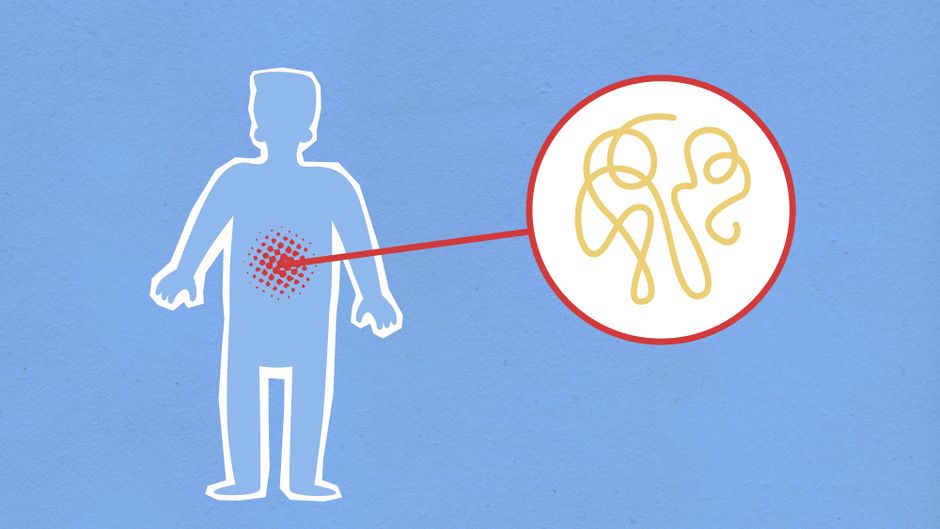
Leaky gut, also called increased intestinal permeability, happens when the tight junctions in your intestinal lining loosen. This allows partially digested food, toxins, and bacteria to pass into your bloodstream. The main causes and triggers include a diet high in processed foods, chronic stress, excessive alcohol, certain medications like NSAIDs, and underlying conditions such as inflammatory bowel disease. These factors all work to break down the protective barrier that normally keeps your gut contents where they belong.
What Exactly Is Leaky Gut?
Your intestinal lining is a single layer of cells. These cells are packed tightly together by proteins called tight junctions. Think of them like a zipper. When the zipper stays closed, only fully digested nutrients pass through into your blood. When it opens too wide, larger particles slip through.
This is not a fringe theory. The concept of intestinal permeability is well established in medical science. Every human has some degree of permeability. The question is how much is normal and when it becomes harmful.
When large food particles and bacterial toxins enter your bloodstream, your immune system responds. It marks these particles as threats. This can trigger inflammation throughout your body. Some researchers believe this immune response is linked to autoimmune conditions, though the exact relationship is still being studied.
How Do You Get Leaky Gut Causes And Triggers
The causes are not mysterious. They are daily habits and medical conditions that stress the intestinal barrier. Here are the most well-documented triggers.
Diet is the biggest factor. A diet high in ultra-processed foods, refined sugar, and unhealthy fats changes the bacteria in your gut. When harmful bacteria outnumber beneficial ones, they produce substances that damage the intestinal lining. Emulsifiers in processed foods have also been shown to disrupt tight junctions in animal studies.
Chronic stress plays a direct role. Stress hormones like cortisol affect the gut. They reduce blood flow to the digestive tract and alter the balance of gut bacteria. Stress also activates the immune system in ways that can increase inflammation in the intestinal wall.
Alcohol is a known trigger. Alcohol and its byproducts directly damage the cells lining your intestines. Even moderate drinking can temporarily increase intestinal permeability. Heavy drinking causes more significant and longer-lasting damage.
Nonsteroidal anti-inflammatory drugs (NSAIDs) like ibuprofen and naproxen are well documented to increase intestinal permeability. These medications inhibit prostaglandins, which help maintain the protective mucus layer of the gut. Long-term or frequent use is particularly problematic.
Underlying medical conditions such as celiac disease, Crohn’s disease, and ulcerative colitis are all associated with increased intestinal permeability. In these conditions, the barrier breakdown is a symptom of the disease process itself.
What Are the Symptoms of Increased Intestinal Permeability?
There is no single symptom that confirms leaky gut. The condition affects people differently, and many symptoms overlap with other digestive disorders.
Commonly reported symptoms include bloating, gas, abdominal pain, fatigue, and brain fog. Some people experience food sensitivities that develop suddenly. Others report skin issues like acne or eczema that flare up after eating certain foods.
Systemic symptoms can include joint pain, headaches, and general malaise. These occur because the immune system is reacting to particles that should never have entered the bloodstream.
It is important to be honest here. Many of these symptoms are also caused by other conditions. Irritable bowel syndrome, small intestinal bacterial overgrowth (SIBO), and food intolerances can produce similar complaints. A doctor will need to rule these out before focusing on intestinal permeability.


How Is Leaky Gut Diagnosed?
Diagnosis of leaky gut is not straightforward. There is no FDA-approved test for clinical use that specifically diagnoses this condition in everyday practice.
Researchers use tests like the lactulose-mannitol ratio in clinical studies. In this test, you drink a solution containing both sugars. Lactulose is a large molecule that should not pass through a healthy intestinal lining. Mannitol is small and passes through easily. By measuring how much of each appears in your urine, researchers can estimate how permeable your gut is.
However, this test is primarily used in research settings. Some commercial labs offer it directly to consumers, but its clinical usefulness is debated. The results can be difficult to interpret, and no clear cutoff point defines a “normal” versus “leaky” gut.
If you suspect you have leaky gut, the most practical approach is to see a gastroenterologist. They can test for conditions that are known to cause increased permeability, such as celiac disease or inflammatory bowel disease. Treating the underlying condition is more important than testing for permeability itself.
Can You Repair a Leaky Gut?
Yes, in many cases the intestinal barrier can heal. The lining of your gut regenerates rapidly. Intestinal cells turn over every few days. This means the potential for repair is built into your body.
The first step is removing the trigger. If NSAIDs are the cause, stopping them is essential. If alcohol is the trigger, reducing or eliminating intake helps. If an underlying condition like celiac disease is present, following a strict gluten-free diet is critical.
Dietary changes are the foundation of gut repair. A diet rich in whole foods, fiber, and fermented foods supports beneficial gut bacteria. Fiber feeds these bacteria, which then produce short-chain fatty acids like butyrate. Butyrate is the primary fuel for the cells lining your colon and helps maintain the integrity of the barrier.
Some research suggests that certain supplements may support gut health. These include zinc, L-glutamine, and vitamin D. Zinc is involved in maintaining the integrity of tight junctions. L-glutamine is an amino acid that serves as fuel for intestinal cells. Vitamin D deficiency has been linked to increased intestinal permeability.
However, the evidence for these supplements is not conclusive. Some studies show benefit, others do not. No large clinical trials have confirmed that any specific supplement can reverse leaky gut in humans. If you choose to try supplements, discuss them with your doctor first.
What Foods Should You Eat and Avoid?
There is no official “leaky gut diet” approved by medical organizations. However, general dietary principles for gut health are well supported.
Foods that support gut health include:
- High-fiber vegetables like broccoli, carrots, and leafy greens
- Fermented foods like yogurt, kefir, sauerkraut, and kimchi
- Bone broth, which contains collagen and amino acids
- Healthy fats like olive oil and fatty fish
- Berries and other antioxidant-rich fruits
Foods that may contribute to gut damage include:
- Ultra-processed foods with artificial additives and emulsifiers
- Refined sugars and sweetened beverages
- Excessive alcohol
- Fried foods high in unhealthy fats
- Foods you are personally sensitive or allergic to
A Mediterranean-style diet is a reasonable template. It emphasizes whole foods, vegetables, fruits, legumes, nuts, and fish. This pattern of eating is well studied and consistently associated with better gut health and lower inflammation.
What Is the Evidence Gap?
It is important to be clear about what we do not know. The term “leaky gut” is popular in wellness circles, but the medical community has mixed views on how significant it is as a standalone diagnosis.
What is well established is that increased intestinal permeability occurs in specific diseases. Celiac disease, Crohn’s disease, and ulcerative colitis all involve barrier dysfunction. What is less clear is whether leaky gut causes other conditions or is simply a consequence of them.
Some researchers propose that increased permeability may contribute to autoimmune diseases, type 1 diabetes, and even neurological conditions. This is an active area of research. However, no large human trials have confirmed that treating leaky gut prevents or cures these diseases.
Marketing claims that a leaky gut is the root cause of all your health problems are not supported by evidence. This is a case where the biological mechanism makes sense, but the clinical proof is still emerging.
Frequently Asked Questions
What is the fastest way to heal a leaky gut?
Removing the trigger is the fastest path to healing. Stop NSAIDs, reduce alcohol, and treat any underlying condition like celiac disease under medical supervision.
Can stress alone cause leaky gut?
Chronic stress can increase intestinal permeability, but it rarely acts alone. Stress typically combines with diet and medication use to create the most significant barrier damage.
Are probiotics effective for leaky gut?
Some studies suggest probiotics can support gut barrier function, but results vary by strain and individual. No specific probiotic has been proven to reverse intestinal permeability in large human trials.
Is leaky gut a real medical diagnosis?
Increased intestinal permeability is a real physiological phenomenon, but it is not an official medical diagnosis with standardized diagnostic criteria. Doctors treat the underlying conditions that cause permeability rather than the permeability itself.
