
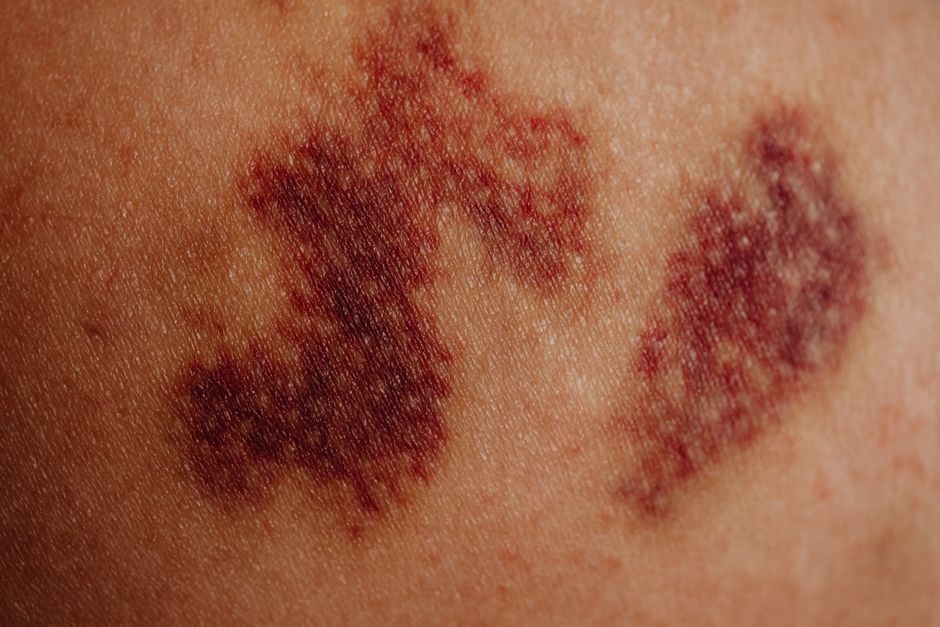
Those tiny red or purple web-like lines on your cheeks and nose have a name: telangiectasias. They form when small blood vessels near the skin’s surface widen and stay open, or when the vessel wall weakens and loses its ability to snap back. Once a capillary is permanently dilated, it does not heal on its own — which is why the same red marks tend to stick around for years.
Broken capillaries on the face are rarely a sign of a serious medical problem on their own. More often they reflect a mix of genetics, sun exposure, age, and skin conditions that repeatedly stress the surface blood vessels. Understanding which of these applies to you matters, because the cause shapes what actually helps.
What Causes Broken Capillaries On Face?
The single biggest driver is ultraviolet light from the sun. UV radiation damages the collagen and elastin that support the walls of small blood vessels, and it also damages the vessels directly. Over years, that damage leaves capillaries less able to constrict back to their normal size. This is why telangiectasias show up most on the cheeks, nose, and other areas that catch the most sun.
Genetics play a real role too. Fair skin, a family tendency toward visible veins, and certain inherited conditions all raise the odds. If a parent has them, you are more likely to develop them.
Several other factors are well documented:
- Rosacea. This chronic inflammatory skin condition commonly causes flushing and visible blood vessels, especially on the central face.
- Age. Skin thins and vessel walls weaken over time, making existing capillaries more visible.
- Hormonal shifts. Pregnancy and menopause are linked to spider veins and telangiectasias, likely through changes in blood flow and vessel tone.
- Repeated pressure or trauma. Habitual squeezing of pimples, aggressive scrubbing, or frequent nose-blowing can contribute over time.
- Certain medical conditions. Liver disease, autoimmune conditions such as scleroderma, and some bleeding disorders can produce telangiectasias.
- Topical steroid use. Long-term use of strong corticosteroid creams on the face can thin the skin and promote visible vessels.
One clarification worth making: the term “broken” is a bit misleading. In most cases the capillary is not torn or bleeding. It is dilated and no longer narrows back down. That distinction matters because it explains why creams and home remedies rarely erase them.
Are Broken Capillaries on the Face Dangerous?
For the vast majority of people, facial telangiectasias are a cosmetic concern, not a health threat. They do not bleed, they do not spread to internal organs, and they do not turn into skin cancer.
There are situations where they warrant a doctor’s attention. Telangiectasias that appear suddenly and in large numbers, or that come with other symptoms, can point to an underlying condition. Examples include:
- Liver disease, which can cause spider-like vessels with a central dot and radiating legs
- Hereditary hemorrhagic telangiectasia, a genetic disorder that causes them on the lips, mouth, and nose along with nosebleeds
- Connective tissue diseases such as scleroderma or CREST syndrome
- Some autoimmune and hormonal conditions
If the marks appear abruptly, bleed easily, or are accompanied by fatigue, joint pain, unexplained bruising, or frequent nosebleeds, that is a reason to see a doctor. Otherwise, the main issue is appearance.
What Skin Conditions Are Linked to Visible Facial Veins?
Rosacea is the most common condition tied to visible facial vessels. It causes recurring flushing and redness, and over time the small vessels on the cheeks and nose become permanently enlarged. The exact cause of rosacea is not fully understood, but it involves an exaggerated inflammatory response and abnormal blood vessel behavior in the skin.
Other conditions worth knowing about:
- Sun damage and photoaging. Chronic UV exposure thins the skin and damages vessel walls.
- Steroid-induced rosacea. A reaction to topical corticosteroids that mimics rosacea and can include visible vessels.
- Poikiloderma of Civatte. A sun-related condition that produces reddish-brown discoloration and visible vessels, usually on the sides of the neck and cheeks.
- Connective tissue diseases. Conditions such as scleroderma can produce distinctive telangiectasias.
Identifying which of these is present changes the approach. Rosacea-related vessels, for example, often need both vessel treatment and management of the underlying inflammation.





Can Lifestyle and Skincare Habits Make Them Worse?
Yes, and the effects are cumulative. Sun exposure is the biggest controllable factor. Daily broad-spectrum sunscreen reduces ongoing damage to vessel walls and skin structure. This is one of the few lifestyle steps with genuinely strong supporting logic and consistent clinical agreement.
Other habits that can aggravate existing vessels or trigger flushing:
- Extreme temperatures — hot showers, saunas, and prolonged cold
- Spicy foods and alcohol, which dilate blood vessels and can trigger flushing in people prone to rosacea
- Harsh scrubs, exfoliants, and abrasive cleansing
- Picking or squeezing at the skin
- Long-term use of strong topical steroids on the face
These factors do not cause telangiectasias in everyone, and the evidence linking each one to new vessel formation varies. What is clear is that avoiding known triggers can reduce flushing episodes in people who already have them, and reducing sun damage protects the skin over the long term.
Do Broken Capillaries on the Face Go Away on Their Own?
No. Once a capillary is permanently dilated, it does not close back up without treatment. Creams, serums, and home remedies do not remove them. No topical product has been shown in clinical trials to erase established facial telangiectasias.
That said, the redness and flushing around them can fluctuate. On a cool day with calm skin, they may look less prominent. After exercise, heat, or alcohol, they may look worse. The underlying vessel, however, stays the same.
If they bother you, the options that actually work are procedural. These include:
- Laser therapy. Pulsed dye laser and similar devices target the vessel and are considered the mainstay of treatment. Multiple sessions are often needed.
- Intense pulsed light (IPL). Broadband light that can reduce visible vessels and redness.
- Electrosurgery. Used for certain small vessels, though it carries a higher risk of scarring than laser in some cases.
- Sclerotherapy. More common for leg veins than facial ones, but occasionally used on the face.
Results vary by device, by practitioner skill, and by skin type. Some vessels clear completely; others need repeat treatment. A board-certified dermatologist is the right person to assess which approach fits your skin. No treatment is guaranteed, and some people need ongoing maintenance.
When Should You See a Doctor About Facial Red Veins?
See a doctor if the vessels appear suddenly, multiply quickly, or bleed without an obvious cause. Also see one if they come with unexplained bruising, fatigue, joint pain, or recurrent nosebleeds — those combinations can signal an underlying condition rather than a purely cosmetic issue.
If you have rosacea, a dermatologist can help manage both the flushing and the visible vessels. Rosacea is a chronic condition, and treatment usually involves a combination of trigger avoidance, prescription topicals, and procedural treatment for the vessels themselves.
For most people, though, the honest answer is that facial telangiectasias are harmless. They are a visible sign of sun exposure, genetics, and time. The best prevention is the least glamorous: sunscreen, gentle skincare, and protecting your skin from the sun you can control.
Frequently Asked Questions
What causes broken capillaries on the face?
The main causes are sun damage, genetics, aging, and skin conditions like rosacea. Hormonal changes, long-term topical steroid use, and certain medical conditions can also contribute.
Can broken capillaries on the face go away on their own?
No. Once a facial capillary is permanently dilated, it stays that way without treatment. Topical creams and home remedies have not been shown to remove them.
Are broken capillaries on the face a sign of a health problem?
Usually not — most facial telangiectasias are cosmetic. However, if they appear suddenly, bleed easily, or come with fatigue, bruising, or nosebleeds, see a doctor to rule out an underlying condition.
Does sunscreen help prevent broken capillaries on the face?
Yes. Daily broad-spectrum sunscreen reduces UV damage to the collagen and blood vessel walls that keep capillaries from staying dilated. It is the most effective preventive step.
