
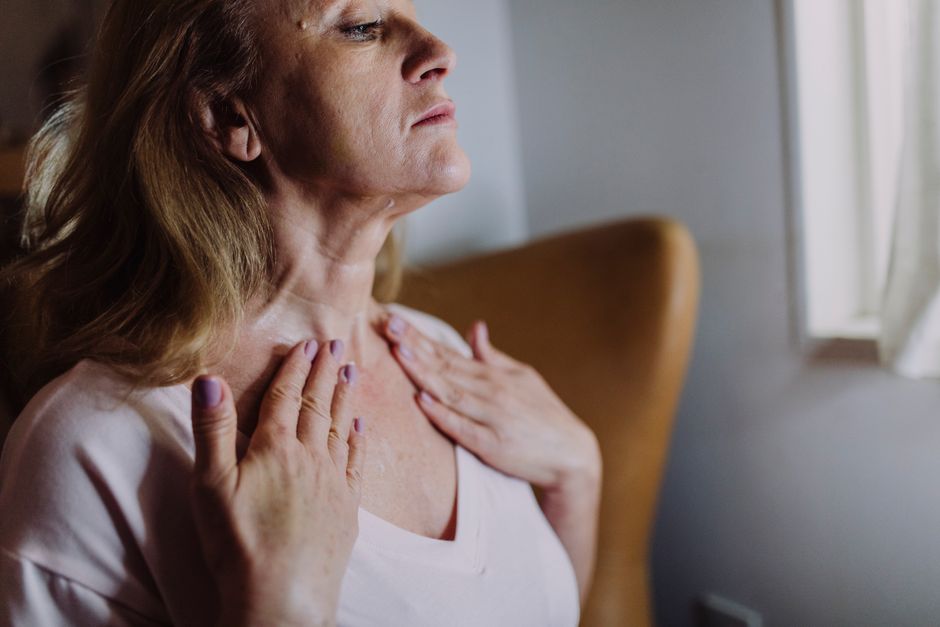
Skin aging is not one single process. It is the combined result of internal biological changes and external environmental damage. Inside your body, collagen production naturally slows down as you age, which leads to thinning skin and wrinkles. Outside your body, factors like ultraviolet (UV) radiation, pollution, and lifestyle habits accelerate that breakdown. The result is that your skin shows signs of aging from both the passage of time and the world around you.
What Happens To Collagen As Skin Ages?
Collagen is the main structural protein in your skin. It acts like a scaffold that keeps skin firm and lifted. Starting in your mid-20s, your body begins producing less collagen each year. Some research suggests that skin collagen content decreases by about 1 percent per year after that point.
The decline is not just about reduced production. Existing collagen fibers also become fragmented and disorganized. Enzymes called matrix metalloproteinases (MMPs) break down old collagen as part of normal skin turnover. When you are young, your body replaces what is broken down. As you age, the balance shifts, and breakdown outpaces production.
This loss of structural support leads to visible changes. Skin becomes thinner, less elastic, and more prone to sagging. Fine lines appear first, often around the eyes and mouth where skin is thinnest. Over time, deeper wrinkles form as the underlying support weakens.
This natural process is called intrinsic aging. It is genetically programmed and happens regardless of how well you care for your skin. But it only accounts for part of what you see in the mirror.
How Does Sun Exposure Accelerate Skin Aging?
Ultraviolet radiation from the sun causes most of the premature aging visible on skin. Dermatologists call this photoaging. It is responsible for coarse wrinkles, dark spots, and a leathery texture that can appear decades earlier than intrinsic aging alone would cause.
UV rays penetrate the skin and generate reactive oxygen species. These unstable molecules damage cellular structures, including the DNA of skin cells. They also trigger inflammation and activate the same MMP enzymes that break down collagen. One session of sun exposure that causes redness can trigger collagen breakdown that lasts for days.
UVA rays are particularly important in photoaging. They penetrate deeper into the dermis, the layer where collagen and elastin live. Unlike UVB rays that cause sunburn, UVA exposure does not always produce immediate visible damage. This makes it easy to accumulate significant UVA damage without noticing until wrinkles and sagging appear years later.
Sun damage is cumulative. The skin does not fully repair the damage from past exposure. This is why dermatologists emphasize that sun protection matters at every age, not just in youth. Protecting your skin from UV radiation is the single most effective way to slow visible aging.
What Role Does Pollution Play In Skin Aging?
Air pollution contributes to visible skin aging through several mechanisms. Particulate matter, which includes tiny particles from vehicle exhaust, industrial emissions, and smoke, can settle on the skin surface. Some research indicates these particles are small enough to penetrate the skin barrier and reach deeper layers.
Once inside the skin, these pollutants trigger oxidative stress. Like UV radiation, they generate free radicals that damage collagen and elastin fibers. Pollution also activates inflammatory pathways in the skin. Chronic low-grade inflammation from repeated exposure accelerates the breakdown of structural proteins.
Studies of urban populations have found links between pollution exposure and skin aging signs. People living in areas with higher air pollution levels tend to show more dark spots and more pronounced wrinkles than those in less polluted areas of similar age. Some research published in dermatology journals has specifically associated traffic-related pollution with pigment spots on the face.
Pollution also interacts with UV radiation. The combination of both exposures can cause more damage than either alone. This has led researchers to describe the combined effect as environmental aging, acknowledging that sun and pollution together account for most premature skin aging.



What Causes Aging Skin From Collagen To Pollution And Other Lifestyle Factors?
Beyond sun and pollution, several lifestyle factors influence how quickly skin ages. Smoking is one of the most significant. Tobacco smoke contains thousands of chemicals that damage collagen and reduce blood flow to the skin. Research consistently shows that smokers develop more facial wrinkles at earlier ages than nonsmokers. The repetitive puckering motion of smoking also contributes to lines around the mouth.
Sleep quality matters for skin health. During deep sleep, your body releases growth hormone, which supports cell repair and collagen production. Chronic poor sleep is associated with increased signs of skin aging, including fine lines, uneven pigmentation, and reduced skin elasticity. Some studies have also found that sleep-deprived individuals show more visible signs of aging after brief periods of rest.
Diet influences skin structure. Protein provides the amino acids needed to build collagen. Vitamin C is a required cofactor for collagen synthesis. Diets lacking these nutrients can impair the skin’s ability to maintain its structure. High sugar intake may also play a role. Advanced glycation end products (AGEs) form when sugar molecules bind to collagen fibers, making them stiff and less flexible. This process, called glycation, contributes to skin stiffness and yellowing over time.
Stress affects skin through hormonal pathways. Cortisol, the primary stress hormone, can break down collagen when chronically elevated. Stress also disrupts the skin barrier, making it more vulnerable to environmental damage. The evidence for stress as a direct cause of wrinkles is less established than for sun exposure, but the physiological pathways are biologically plausible.
Can Skin Aging Be Reversed Or Prevented?
Prevention is more effective than reversal. Sun protection remains the foundation of any anti-aging strategy. Daily use of a broad-spectrum sunscreen with SPF 30 or higher significantly reduces UV damage. Protective clothing, hats, and seeking shade during peak sun hours add further protection.
Topical retinoids are the most evidence-backed treatments for photoaging. These vitamin A derivatives increase collagen production and accelerate cell turnover. Prescription-strength tretinoin has the strongest clinical evidence. Over-the-counter retinol is less potent but still shows benefits in some studies. Both require consistent use over months to see visible improvement.
Vitamin C serums applied topically can neutralize some free radicals before they damage collagen. The evidence for antioxidant skincare is strongest when products are used consistently alongside sun protection. No topical product can fully reverse established photoaging, but combinations of antioxidants and retinoids can produce measurable improvement in skin texture and fine lines.
Procedures performed by dermatologists can address deeper damage. Laser resurfacing, chemical peels, and microneedling all stimulate new collagen formation. These treatments produce more dramatic results than topical products alone, but they carry risks including redness, swelling, and changes in pigmentation. They are medical procedures, not cosmetic conveniences, and should be discussed with a qualified clinician.
What Is The Difference Between Intrinsic And Extrinsic Aging?
Intrinsic aging is the natural, genetically determined process that affects everyone. It is driven by the passage of time and includes hormonal changes, reduced cellular repair capacity, and the gradual slowing of collagen synthesis. Intrinsic aging produces fine wrinkles, dry skin, and gradual loss of subcutaneous fat. This process cannot be stopped.
Extrinsic aging is caused by external factors. Sun exposure, pollution, smoking, diet, and sleep habits all fall into this category. Extrinsic aging is largely preventable. The visible signs differ somewhat from intrinsic aging. Photoaging tends to produce deeper wrinkles, more pronounced pigment changes, and a tougher skin texture.
For most people, extrinsic factors dominate the visible signs of aging. A 40-year-old who has protected their skin from the sun and avoided smoking will typically show far fewer signs of aging than a 40-year-old who has not. Twin studies have demonstrated this pattern, showing that identical genetics can produce very different skin aging outcomes based on lifestyle.
Understanding this distinction matters because it clarifies what you can control. You cannot stop the clock on intrinsic aging. But you can meaningfully slow extrinsic aging, which for many people is the more visible contributor to how old their skin looks.
Frequently Asked Questions
What is the main cause of aging skin?
Sun exposure is the main preventable cause of premature skin aging. UV radiation damages collagen and elastin fibers, leading to wrinkles and dark spots that appear years after the exposure.
Can collagen loss be reversed?
Some collagen loss can be restored with topical retinoids, which stimulate new collagen production, but the effect is gradual and incomplete. No treatment fully restores youthful collagen levels.
Does pollution really age your skin?
Yes, air pollution particles can penetrate the skin and trigger oxidative stress that breaks down collagen. People in high-pollution areas tend to show more pigmentation and wrinkles than those in cleaner environments.
At what age does skin aging become visible?
Fine lines often become noticeable in the late 20s to early 30s as collagen production begins to decline. Deeper wrinkles typically appear in the 40s and 50s, especially if sun protection has not been consistent.
