
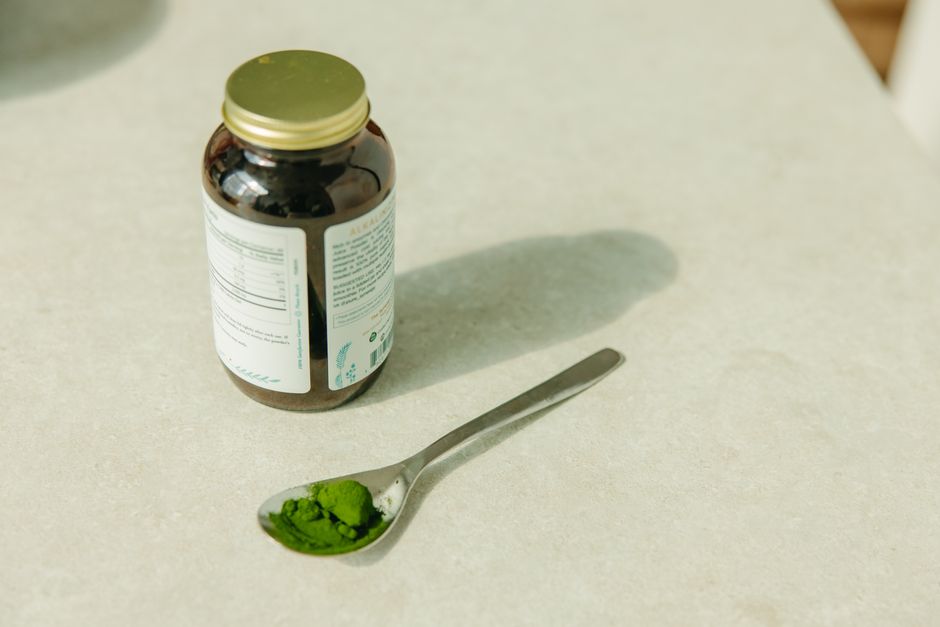
If you find an old tub of collagen powder in your pantry, you might wonder if it is still safe to use. The short answer is that expired collagen powder is generally not dangerous, but it may not work as well. Unlike food that can spoil and cause food poisoning, collagen powder is a dry product with low moisture, which makes it hard for harmful bacteria to grow. However, the quality of the protein does decline over time, so you may not get the benefits you expect.
What Actually Happens to Collagen Powder After It Expires?
Collagen powder is a protein supplement. Like all proteins, it breaks down over time. The “expiration date” on the package is really a “best by” date. This date tells you when the manufacturer guarantees the product is at its peak quality, not when it becomes unsafe.
Over time, exposure to air, light, and heat causes the protein molecules to degrade. This process is called hydrolysis. It is the same process your body uses to digest protein. The powder may clump together or change color slightly. It might develop an off smell or taste. These are signs of protein breakdown, not spoilage.
Research on protein powder stability shows that most dry protein supplements remain safe for months or even years past their expiration date if stored properly. The biggest risk is not safety but loss of effectiveness. The collagen peptides become smaller and less able to support your body’s collagen production.
Is Expired Collagen Powder Safe To Consume for Your Health?
For most healthy adults, consuming expired collagen powder will not make you sick. The dry environment inside a sealed container prevents the growth of common foodborne pathogens like Salmonella or E. coli. These bacteria need moisture to multiply.
However, there is one real exception. If the powder has been exposed to moisture, it can grow mold. Mold can produce mycotoxins, which are harmful compounds. Signs of moisture exposure include hard clumps, visible mold spots, or a musty smell. If you see any of these, throw the powder away immediately.
The FDA does not require expiration dates on dietary supplements, but many companies add them voluntarily. This means the date is often conservative. A study published in the Journal of Food Science found that dry protein powders stored at room temperature showed minimal bacterial growth even 12 months past their expiration date. The main change was a gradual loss of protein content.
Does Expired Collagen Powder Still Work for Skin and Joints?
This is where the evidence gets less clear. Some studies suggest that collagen supplements can improve skin elasticity and joint comfort. But those studies used fresh, properly stored collagen. No studies have tested expired collagen for these effects.
What we do know from food science is that degraded protein has lower bioavailability. Bioavailability means how much of the protein your body can actually absorb and use. When collagen peptides break down further, they become smaller fragments. Your body absorbs these smaller fragments differently than intact collagen peptides.
The company Vital Proteins, a major collagen brand, states on their website that their product is safe after the expiration date but may lose potency. This is consistent with general supplement industry guidance. If you are taking collagen for a specific health goal like reducing joint pain or improving skin, expired powder may not deliver the results you want.
A reasonable approach is to use expired collagen powder within six months of the expiration date if it was stored in a cool, dry place. After that, the protein content may have dropped significantly. You would need to take more powder to get the same amount of protein, which is not cost-effective.





How Should You Store Collagen Powder to Make It Last?
Storage conditions matter more than the expiration date. Heat, light, and moisture are the three enemies of collagen powder. Keep the container in a cool, dark cabinet away from the stove, dishwasher, or refrigerator exhaust. The bathroom is a bad spot because of humidity from showers.
Once you open the package, transfer the powder to an airtight container if the original bag does not reseal well. Some people use glass jars with tight lids. Do not scoop powder with a wet spoon. Moisture introduces bacteria and causes clumping.
Here is a quick storage checklist:
- Store below 75°F (24°C) for best results
- Keep away from direct sunlight
- Use a clean, dry scoop every time
- Seal the container immediately after use
- Do not refrigerate or freeze — condensation causes clumping
If you follow these guidelines, most collagen powders remain usable for 6 to 12 months past the printed date. The USDA states that dry goods stored properly are generally safe indefinitely, though quality declines over time.
What Are the Signs That Expired Collagen Powder Is No Longer Safe?
There are clear visual and sensory cues that tell you when to throw collagen powder away. Trust your senses. If something seems off, it probably is.
Smell test: Fresh collagen powder has little to no smell. If you detect a rancid, sour, or musty odor, the fats in the powder have oxidized. This is not necessarily dangerous, but it means the product has degraded significantly. Rancid fats can cause digestive upset in some people.
Visual inspection: Look for mold, which appears as fuzzy spots in green, black, or white. Also check for hard, rock-like clumps that do not break apart easily. These indicate moisture exposure. Any visible mold means the entire container should be discarded because mold spores spread throughout the powder.
Taste test: If the powder passes the smell and visual tests, you can try a small amount mixed into water. A slightly stale taste is normal. A bitter or chemical taste is not. Do not consume powder that tastes bad.
| Condition | Safe to use? | What to do |
|---|---|---|
| Past date, no changes | Yes, but less potent | Use within 6 months |
| Small clumps that break apart | Yes | Break up clumps, check for moisture |
| Hard clumps or discoloration | Probably not | Discard |
| Visible mold or bad smell | No | Discard immediately |
| Rancid or bitter taste | No | Discard |
Common Misconceptions About Expired Collagen Powder
One widespread myth is that expired collagen powder can cause kidney damage. There is no evidence to support this. The concern about kidney damage comes from high protein intake in general, not from expired protein specifically. People with existing kidney disease should consult their doctor about protein supplements, but the expiration date is not the issue.
Another myth is that expired collagen powder turns into a toxic substance. This is not true. Protein degradation produces amino acids and small peptides, which are the same things your body makes when digesting fresh protein. No toxic compounds form during normal degradation of collagen powder.
Some people believe that adding expired collagen powder to hot coffee or tea kills bacteria and makes it safe again. This is partially true for bacteria, but heat does not destroy mold toxins. If mold is present, heat will not make the powder safe. Always inspect the powder before using it, regardless of how you plan to prepare it.
The most persistent misconception is that collagen powder expires like dairy products and becomes dangerous overnight. In reality, the change is gradual. The expiration date is a quality marker, not a safety switch. The difference between fresh and expired collagen is a slow decline in effectiveness, not a sudden turn to poison.
Frequently Asked Questions
Can expired collagen powder cause food poisoning?
It is very unlikely if the powder was stored dry and shows no signs of mold. Dry protein powders do not support the growth of common food poisoning bacteria.
How long past the expiration date is collagen powder still good?
Most collagen powders remain safe for 6 to 12 months past the printed date if stored in a cool, dry place. Quality declines gradually after that.
Does expired collagen powder still have protein?
Yes, but the protein content decreases over time. You may need to use more powder to get the same amount of protein as fresh powder.
Can you use expired collagen powder in baking?
Yes, baking with expired collagen powder is safe if the powder looks and smells normal. Heat from baking does not make spoiled powder safe, so inspect it first.
