
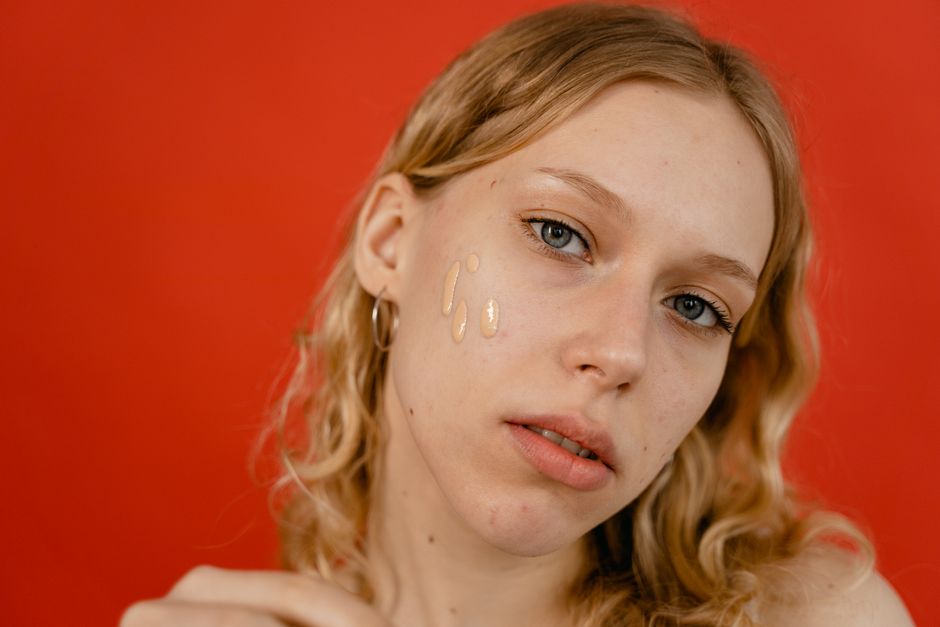
Skin redness is a common problem, and most of the time you can manage it at home. The fix depends entirely on the cause, which ranges from dry skin and irritation to rosacea and allergic reactions. Start by identifying your triggers, simplifying your skincare routine, and using gentle, fragrance-free products. For persistent or painful redness, a dermatologist can provide a proper diagnosis and prescription treatments that work.
What Causes Skin Redness?
Redness happens when blood vessels near the surface of your skin dilate, or widen. This increases blood flow to the area, which shows through the skin as a red or pink flush. The trigger for that dilation varies from person to person.
Common causes include dry skin, which weakens the skin barrier and makes it more sensitive. Harsh weather, wind, and extreme temperatures can also cause blood vessels to expand. Allergic reactions to skincare products, laundry detergents, or fabrics are frequent culprits. So are irritants like acids, retinoids, or physical exfoliants used too often.
Some people have chronic conditions that cause redness. Rosacea is a common one, marked by persistent redness on the cheeks, nose, chin, or forehead. Eczema and psoriasis can also cause red, inflamed patches. In these cases, the redness is not just a reaction—it is a symptom of an underlying skin condition that may need medical treatment.
How To Fix Skin Redness: Immediate Relief Tips
If your skin is suddenly red and irritated, the first step is to stop whatever caused it. If you applied a new product, wash it off with lukewarm water and a gentle cleanser. If you were in the sun or wind, get indoors and away from the trigger.
Cool compresses can help. Soak a clean cloth in cool water, wring it out, and hold it against the red area for 5 to 10 minutes. The cool temperature constricts blood vessels and reduces the appearance of redness. Do not use ice directly on the skin, as that can cause further damage.
A gentle, fragrance-free moisturizer applied to damp skin helps repair the skin barrier. Look for products with ceramides, glycerin, or hyaluronic acid. These ingredients help trap moisture and calm irritation. Avoid products with alcohol, fragrance, or essential oils, which can worsen redness.
Over-the-counter hydrocortisone cream (1%) can reduce redness from mild irritation or allergic reactions. Use it sparingly and only for a few days. Prolonged use of steroids on the face can cause thinning of the skin and other problems.
Skincare Habits That Prevent Redness
Prevention is often easier than treatment. A consistent, gentle routine protects your skin barrier and reduces the chance of flare-ups.
Cleanse your face once or twice a day with a mild, sulfate-free cleanser. Hot water strips oils from the skin, so use lukewarm water instead. Pat your skin dry with a soft towel—do not rub.
Moisturize immediately after cleansing while your skin is still damp. This locks in hydration and strengthens the skin barrier. If you use active ingredients like retinoids, vitamin C, or alpha-hydroxy acids, introduce them slowly. Start with a low concentration and use them every other day, then gradually increase frequency.
Sunscreen is non-negotiable. Sun exposure dilates blood vessels and can make redness worse. Use a broad-spectrum sunscreen with SPF 30 or higher every day, even when it is cloudy. Mineral sunscreens containing zinc oxide or titanium dioxide are often better tolerated by sensitive skin than chemical sunscreens.
Keep a diary of your flare-ups. Note what you ate, what products you used, and what the weather was like. Many people find that specific foods, alcohol, or stress trigger their redness. Identifying your personal triggers is one of the most effective ways to prevent future episodes.





Treating Redness from Rosacea
Rosacea is a chronic inflammatory skin condition that affects millions of people, mostly fair-skinned adults. It causes persistent redness, visible blood vessels, and sometimes small red bumps that resemble acne. There is no cure, but treatment can control symptoms effectively.
Prescription topical medications are the first line of treatment. Brimonidine and oxymetazoline are FDA-approved gels that temporarily constrict blood vessels and reduce facial redness. They work within hours and last for several hours. Other topical treatments, such as ivermectin, metronidazole, or azelaic acid, target the inflammatory bumps associated with rosacea.
For visible blood vessels, laser and light therapies are the most effective options. Intense pulsed light (IPL) and vascular lasers like pulsed-dye laser target dilated blood vessels and reduce redness. Most people need multiple sessions, and results are not permanent—maintenance treatments are usually required.
If you suspect you have rosacea, see a dermatologist. Over-the-counter products are not designed to treat this condition, and using harsh acne products can make rosacea worse.
When Redness Is a Medical Emergency
Most skin redness is not dangerous, but some situations require immediate medical attention. Redness accompanied by difficulty breathing, swelling of the face or lips, or a rapid heartbeat can indicate a severe allergic reaction called anaphylaxis. This is a medical emergency—call 911 or go to the nearest emergency room.
Redness that spreads rapidly, is accompanied by fever, or is intensely painful may indicate a skin infection. Cellulitis is a bacterial infection of the deeper layers of the skin that requires prescription antibiotics. Do not wait to see if it resolves on its own.
If the redness is localized, follows a single nerve path, and is accompanied by a burning sensation, it could be shingles. This viral infection requires antiviral medication, ideally started within 72 hours of symptoms appearing.
When To See a Dermatologist
You should see a dermatologist if your redness persists for more than a few weeks despite gentle care, if it is painful, or if it is affecting your quality of life. A dermatologist can distinguish between rosacea, eczema, contact dermatitis, and other conditions that look similar but require different treatments.
They can also perform patch testing to identify specific allergens causing your redness. This involves applying small amounts of potential allergens to your back and checking for reactions after 48 hours. Patch testing is the gold standard for diagnosing allergic contact dermatitis.
Prescription treatments are often more effective than anything available over the counter. Topical calcineurin inhibitors like tacrolimus and pimecrolimus are prescription options for eczema and facial redness that do not carry the same risks as steroids. Oral medications like doxycycline, in low doses, can reduce inflammation in rosacea.
Lifestyle Changes That Reduce Skin Redness
Your lifestyle affects your skin. Stress is a well-documented trigger for rosacea flare-ups and other inflammatory skin conditions. Stress management techniques like deep breathing, meditation, or regular exercise may help reduce the frequency of flare-ups.
Alcohol, especially red wine, is a common trigger for facial flushing. It dilates blood vessels and can cause redness within minutes of consumption. Spicy foods, hot drinks, and extreme temperatures can also trigger flushing in people with sensitive skin or rosacea.
Diet plays a role for some people. Some studies suggest that certain foods—such as those high in histamines, like aged cheese and fermented foods—may trigger redness in susceptible individuals. The evidence is not strong enough to recommend a specific diet, but paying attention to your own reactions can help you identify personal triggers.
Sleep matters too. Poor sleep increases inflammation throughout the body, including the skin. Aim for 7 to 9 hours of quality sleep per night to give your skin time to repair.
Myths About Skin Redness
Many viral skincare trends promise to fix redness but have no evidence behind them. One common myth is that toothpaste dries out pimples and reduces redness. Toothpaste contains ingredients that can irritate the skin severely and cause chemical burns. Do not put toothpaste on your skin.
Another myth is that rubbing alcohol or witch hazel “cleanses” red skin. Both are astringents that strip the skin of its natural oils and can worsen irritation. They might temporarily reduce the appearance of redness by constricting blood vessels, but the effect is short-lived and the damage is not.
Some people believe that “toughening up” the skin by using harsh scrubs or acids will eventually make it less sensitive. The opposite is true. Physical and chemical exfoliants can damage the skin barrier, making it more reactive and prone to redness over time.
No study has confirmed that any single supplement or “miracle” ingredient can cure skin redness. The evidence for most oral supplements marketed for skin health is limited. A balanced diet and a consistent skincare routine are more reliable approaches.
Frequently Asked Questions
How long does skin redness last?
Mild redness from irritation usually fades within a few hours to a couple of days once the trigger is removed. Chronic conditions like rosacea cause persistent redness that requires ongoing treatment.
Can ice reduce skin redness?
Cold compresses can reduce redness by constricting blood vessels, but never apply ice directly to the skin. Direct ice contact can cause frostbite and tissue damage.
Is skin redness a sign of infection?
Redness alone is not necessarily an infection, but redness that spreads, is warm to the touch, and is accompanied by fever or pain may indicate a bacterial skin infection. Seek medical attention if you have these symptoms.
Does vitamin C help with skin redness?
Some evidence suggests that topical vitamin C can reduce inflammation and redness over time, but it can also irritate sensitive skin at high concentrations. Start with a low percentage and patch test first.
