
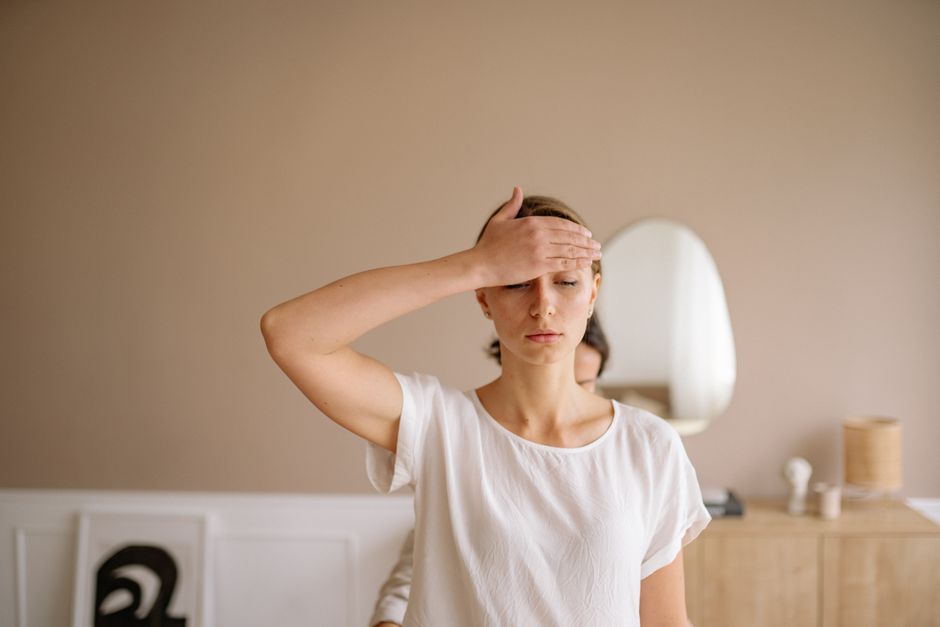
A hot flash is a sudden feeling of intense heat that spreads over the body, often accompanied by sweating, a red flushed face, and a rapid heartbeat. The root cause is a drop in estrogen levels, which makes the brain’s temperature control center think the body is overheating when it is not. Triggers range from hot drinks and stress to alcohol and tight clothing, while treatments include lifestyle changes, prescription hormone therapy, and non-hormonal medications.
What Exactly Happens in the Body During a Hot Flash?
Hot flashes are not a problem with your skin or your blood. They start deep in the brain. The hypothalamus acts as the body’s thermostat. It keeps core temperature in a narrow, safe range.
When estrogen levels fall, this thermostat becomes more sensitive. It mistakes a tiny rise in body heat for a dangerous spike. In response, the brain sends signals to cool the body down fast.
Blood vessels near the skin widen. This sends a rush of warm blood to the surface, which is why your face and chest turn red and feel hot. Sweat glands kick in to cool you off. Your heart rate may go up. When the brain decides the “overheating” is over, the blood vessels narrow again and you may feel chilled or clammy.
This entire sequence can last from one to five minutes. Some women experience a rapid heartbeat or a feeling of anxiety right before the heat hits. Others just feel the warmth spread without warning.
What Causes a Hot Flash: Hormones and the Brain
The main driver is the change in estrogen. During perimenopause, the years leading up to your final period, estrogen levels rise and fall unevenly. These swings confuse the hypothalamus.
This explains why hot flashes often start before menopause is complete. They are not a sign that menopause has finished. They are a sign that hormone levels are changing.
It is not just about having less estrogen. The brain’s thermostat becomes less tolerant of small temperature shifts. A normal increase in core body temperature from a warm room or a hot meal can now trigger a full cooling response.
Surgical menopause causes more sudden and severe hot flashes. When both ovaries are removed, estrogen drops overnight rather than over years. The brain has no time to adjust gradually.
Common Hot Flash Triggers You Can Control
Many women notice that certain situations reliably bring on a hot flash. Identifying your personal triggers can help you reduce how often they happen.
- Hot drinks — Warm liquids raise core temperature quickly. Coffee and tea are common culprits.
- Spicy foods — Capsaicin in chili peppers can stimulate heat receptors and trigger a flash.
- Alcohol — Alcohol dilates blood vessels and can disrupt the body’s temperature regulation.
- Caffeine — Caffeine can increase heart rate and may make the thermostat more reactive.
- Stress and anxiety — Emotional stress activates the same brain pathways involved in temperature control.
- Warm environments — A warm bedroom or office can push an already sensitive thermostat over the edge.
- Tight clothing — Layers that trap heat near the skin can trigger a response.
- Smoking — Nicotine affects blood vessel tone and is linked to more frequent hot flashes.
Keeping a simple diary can help. Write down what you ate, drank, and did in the hour before each hot flash. Patterns often emerge within a few weeks.





Lifestyle Changes That Reduce Hot Flash Frequency
Lifestyle changes do not stop hot flashes completely. They can reduce the frequency and intensity. For many women, that is enough to make the condition manageable.
Dressing in layers is one of the simplest strategies. When a flash starts, you can remove a layer quickly. Natural fabrics like cotton and linen allow skin to breathe better than synthetic materials.
Keeping your environment cool matters. Lower the thermostat at night. Use a fan in the bedroom. Some women find a cool pack on the pillow helps them get back to sleep after a nighttime flash.
Regular exercise appears to help, though the evidence is not fully consistent. Some research suggests that women who exercise regularly report fewer hot flashes. Exercise also improves sleep and mood, which can reduce the stress that makes flashes worse.
Weight loss can help if you are overweight. Fat tissue acts as insulation. More body fat makes it harder for the body to release heat, which may increase the chance of triggering a flash. Studies have shown that women who lose weight during perimenopause report fewer hot flashes.
Paced breathing is a technique worth trying. Slow, deep breaths — about six to eight breaths per minute — can activate the body’s relaxation response. Some studies have found this reduces hot flash frequency, though the effect is modest.
Hormone Therapy for Hot Flashes
Hormone therapy is the most effective treatment for hot flashes. It replaces the estrogen that is declining and stabilizes the brain’s thermostat.
Estrogen therapy is available as a pill, patch, gel, or vaginal cream. The patch and gel deliver estrogen through the skin, which avoids the liver and may carry fewer risks than oral forms.
For women who still have a uterus, estrogen must be combined with a progestin. Taking estrogen alone in this situation increases the risk of uterine cancer. The progestin protects the uterine lining.
Hormone therapy is not right for everyone. Women with a history of breast cancer, blood clots, stroke, or liver disease generally should not take it. The decision requires an honest conversation with a doctor about your personal risk profile.
The current guidance is to use the lowest dose that controls symptoms, for the shortest time needed. Many women use hormone therapy for two to five years and then taper off. Some need it longer.
Non-Hormonal Prescription Options
Not every woman can or wants to take hormones. Non-hormonal medications offer an alternative, though they are generally less effective.
Certain antidepressants in the SSRI and SNRI classes have been shown to reduce hot flashes. Paroxetine is approved by the FDA specifically for this use. Other antidepressants like venlafaxine and escitalopram are sometimes prescribed off-label for hot flashes.
Gabapentin, a medication originally developed for seizures, has also been shown to reduce hot flashes. It is particularly helpful for women who have trouble sleeping through the night because it can cause drowsiness.
These medications do not work as well as estrogen. They may reduce hot flash frequency by roughly 50 to 60 percent, while estrogen reduces it by 75 to 90 percent. Still, for women who cannot take hormones, this reduction can be meaningful.
Side effects vary by medication. Antidepressants can cause nausea, dry mouth, or changes in libido. Gabapentin can cause dizziness and fatigue. Starting at a low dose and increasing slowly can minimize these effects.
Supplements and Alternative Treatments: What the Evidence Shows
The supplement market is full of products claiming to stop hot flashes. The evidence behind most of them is thin.
Black cohosh is the most studied herbal remedy for hot flashes. Some trials show modest benefit. Others show no difference from a placebo. The evidence is mixed, and the supplement is not recommended for women with liver disease.
Soy isoflavones are plant compounds that act weakly like estrogen in the body. Some studies suggest they reduce hot flash frequency slightly. The effect is inconsistent and generally modest compared with hormone therapy.
Vitamin E has been studied at a dose of 400 international units daily. It may reduce hot flashes by about one per day. That is a small effect, but the supplement is generally safe at this dose.
No large, high-quality trials have confirmed that these supplements work reliably. If you choose to try one, mention it to your doctor. Some supplements interact with prescription medications.
Cognitive behavioral therapy has shown promise. This is a structured psychological approach that helps women change how they react to hot flashes. Some trials suggest it reduces the distress hot flashes cause, even if it does not reduce their frequency.
When to See a Doctor About Hot Flashes
Hot flashes are not dangerous. They are uncomfortable, but they do not harm your body. You do not need medical treatment just because you have them.
You should see a doctor if hot flashes interfere with your daily life or your sleep. Night sweats that wake you repeatedly can lead to chronic fatigue and mood changes. That is a quality-of-life issue worth addressing.
You should also see a doctor if you have hot flashes before age 40. This can be a sign of primary ovarian insufficiency, a condition where the ovaries stop working early. It has implications for fertility and long-term bone health.
Hot flashes that continue more than a decade after your final period are unusual. Most women find that hot flashes gradually improve over time. The average duration is about seven years, though some women experience them longer.
Frequently Asked Questions
Can hot flashes happen before menopause starts?
Yes, hot flashes often begin during perimenopause, the years before your final period. This happens because estrogen levels start fluctuating rather than dropping smoothly.
How long do hot flashes typically last?
A single hot flash usually lasts between one and five minutes. The overall experience of having hot flashes typically lasts about seven years, though some women have them for longer.
Are hot flashes dangerous to your health?
No, hot flashes themselves are not dangerous. They are uncomfortable but do not harm your body, though frequent nighttime flashes can disrupt sleep and affect quality of life.
Does hormone therapy increase cancer risk?
Hormone therapy does carry some risks that depend on your personal health history. Women with a uterus need combined estrogen and progestin therapy, and the decision to use hormones should be made with a doctor who can assess your individual risk.
