

Period cramps are common, but severe pain is not something you have to simply endure. Effective treatments exist, and they range from fast-acting medication to longer-term options like hormonal birth control. The most reliable first-line treatments are NSAIDs like ibuprofen or naproxen, taken at the first sign of pain, along with heat therapy. For persistent or severe cramps, hormonal contraceptives and certain lifestyle changes offer proven relief. This guide breaks down what works, what the evidence shows, and when to see a doctor.
What Causes Period Cramps in the First Place?
To treat cramps effectively, it helps to understand the mechanism. Cramps happen when the uterus contracts to shed its lining. These contractions are driven by hormone-like substances called prostaglandins.
Higher prostaglandin levels cause stronger, more frequent uterine contractions. These contractions squeeze blood vessels in the uterine wall, temporarily cutting off oxygen to the muscle tissue. That lack of oxygen is what produces the pain. This is why treatments that lower prostaglandin production or relax the uterine muscle are the most effective.
This is not psychological or “part of being a woman.” It is a measurable physiological process with established treatment pathways.
How To Cure Period Cramps Treatments That Actually Work: NSAIDs First
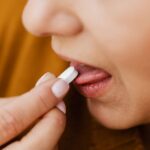
Non-steroidal anti-inflammatory drugs (NSAIDs) are the first-line treatment for period cramps. Ibuprofen (Advil, Motrin) and naproxen (Aleve) are the most common options. They work by blocking the enzymes that produce prostaglandins. Less prostaglandin means less uterine contraction and less pain.
The key to effectiveness is timing. These medications work best when taken at the first sign of pain or bleeding, not after the pain becomes severe. Some clinicians suggest starting the day before your period is expected if your cycle is regular. Taking them consistently for the first day or two of your period is often more effective than waiting and taking a single dose.
These are the only treatments with strong clinical evidence for acute cramp relief. If you have stomach ulcers, kidney disease, or a history of bleeding disorders, talk to a doctor before using NSAIDs. Acetaminophen (Tylenol) can help but is generally considered less effective for cramps because it does not target prostaglandin production.
Heat Therapy: Simple and Proven
Heat is not a placebo. A heating pad, hot water bottle, or a warm bath relaxes the uterine muscle and increases blood flow to the area. Improved blood flow helps clear the pain-causing prostaglandins and reduces the sensation of pain.
Studies have found that continuous low-level heat applied to the lower abdomen is comparable to ibuprofen for pain relief in some women. It is a safe, affordable, and side-effect-free option. Use it alongside medication or on its own if you prefer to avoid drugs.
For best results, apply heat for at least 15-20 minutes. A warm bath can also relax the surrounding pelvic and back muscles, which often tense up in response to cramping.



Hormonal Birth Control for Long-Term Management
If NSAIDs and heat are not enough, or if your pain is consistently disruptive, hormonal contraception is a highly effective option. The pill, patch, ring, and hormonal intrauterine devices (IUDs) all reduce or eliminate period pain.
Combined hormonal contraceptives (those with estrogen and progestin) work by thinning the uterine lining. A thinner lining produces less prostaglandin, which means milder cramps and lighter bleeding. Many women find their cramps significantly improve within three to six months of starting the pill.
Progestin-only options like the hormonal IUD work differently. The levonorgestrel IUD (Mirena, Kyleena) thins the uterine lining dramatically. Many women using this IUD report that their periods become very light or stop entirely, and with them, the cramps.
Continuous-use birth control, where you skip the placebo pills and do not have a withdrawal bleed, can eliminate cramps entirely for some women. This is a safe and common practice, but discuss it with your prescriber to understand how it works with your specific method.
Exercise: What the Evidence Actually Shows
Exercise is frequently recommended for period pain, and here the evidence is encouraging but not as strong as for NSAIDs or birth control. Regular aerobic exercise appears to reduce cramp severity over time. The mechanism is thought to involve improved blood flow to the pelvic region and the release of endorphins, which are natural pain-relieving chemicals.
Some studies suggest that a regular exercise routine of 30-45 minutes, three times per week, reduces period pain intensity. Yoga has also shown promise in several trials. Specific poses that open the pelvic area, like child’s pose and cat-cow, may provide relief.
The honest position is this: exercise is not an acute cure. It will not stop cramps already in progress. But as a preventive strategy practiced consistently across your cycle, it can reduce the severity of future periods. It is a low-risk intervention with general health benefits that go beyond menstruation, making it a reasonable part of a management plan.
Dietary Supplements: What Works and What Does Not
Several supplements have been studied for period pain, but the evidence base is uneven. Be cautious with claims you see online.
Magnesium has the most supportive evidence. Some clinical trials have found that magnesium supplementation reduces cramp severity and the need for additional pain medication. It is thought to relax uterine muscle and improve blood flow. The effect is modest, and it can take a few cycles to notice a difference. High doses of magnesium cause diarrhea, so follow the dose on the product label.
Vitamin B1 (thiamine) and Vitamin E have shown benefit in some smaller studies. The quality of these trials varies, so treat these as “some evidence exists” rather than proven treatments. Fish oil (omega-3 fatty acids) has also been studied. Some research suggests it reduces prostaglandin production, similar to NSAIDs but much weaker.
No supplement has evidence matching the strength of NSAIDs or hormonal birth control. If you try a supplement, use it for at least two to three cycles before judging its effect. Always tell your doctor about supplements you are taking, especially if you are on blood thinners or other medications.
When Cramps Are Not Normal: Recognizing Secondary Dysmenorrhea
Up to 10% of women have period pain caused by an underlying medical condition, not normal menstruation. This is called secondary dysmenorrhea. The pain often starts later in life, after years of relatively painless periods, and it tends to worsen over time.
Common causes include endometriosis, where uterine-like tissue grows outside the uterus, and uterine fibroids, which are non-cancerous growths in the uterine wall. Adenomyosis, where the uterine lining grows into the uterine muscle, is another cause. Pelvic inflammatory disease can also produce cramping.
See a doctor if your cramps:
- Do not respond to NSAIDs or hormonal birth control
- Interfere with school, work, or daily activities regularly
- Are accompanied by heavy bleeding, bleeding between periods, or pain during sex
- Started after age 25 without a history of painful periods
These symptoms warrant a medical evaluation, not just stronger painkillers. A doctor can perform imaging or a pelvic exam to identify or rule out these conditions. Endometriosis, in particular, often goes undiagnosed for years because women are told severe pain is normal. It is not.
Prescription Options When Over-the-Counter Fails
If standard treatments fail, prescription options exist beyond birth control. Prescription-strength NSAIDs are available and may be more effective than over-the-counter doses. Your doctor can determine if a higher dose is appropriate for you.
Tranexamic acid is a medication that reduces heavy menstrual bleeding. Some women with heavy periods and cramps find it reduces both. It does not target prostaglandins directly but reduces the volume of uterine lining, which indirectly reduces cramping.
For severe, refractory cases, GnRH agonists or surgical options are reserved for confirmed underlying conditions like endometriosis. These are not first-line treatments and require specialist evaluation. Do not let anyone dismiss your pain, but also understand that the strongest treatments are reserved for confirmed diagnoses, not general period pain.
Separating Fact from Viral Myths
Social media is full of “cures” for period cramps that have no clinical backing. Some are harmless, others waste your time and money.
Castor oil packs applied to the abdomen are frequently promoted. No clinical evidence supports this for cramps. Orgasms are sometimes suggested as a cure. While they release endorphins and may temporarily distract from pain, no reliable studies confirm they reduce menstrual cramping. Apple cider vinegar drinks and turmeric shots have no clinical evidence for acute cramp relief.
The most common myth is that “cramps are just part of being a woman” and that you should push through. This is false. Effective, evidence-based treatments exist. If the first-line options do not work for you, that is a medical problem worth investigating, not a personal failure.
Frequently Asked Questions
How fast do NSAIDs work for period cramps?
Most NSAIDs begin providing relief within 30 to 60 minutes of taking them. They work best when taken at the first sign of pain or bleeding rather than after cramps become severe.
Can birth control completely stop period cramps?
Yes, for many women. Hormonal birth control, especially continuous-use methods or the hormonal IUD, can significantly reduce or eliminate cramps by thinning the uterine lining and reducing prostaglandin production.
Is a heating pad better than ibuprofen for cramps?
Some studies show continuous low-level heat is comparable to ibuprofen for pain relief. For many women, using both together provides the best relief, and heat has no side effects.
When should I see a doctor for period cramps?
See a doctor if cramps do not respond to NSAIDs, interfere with your daily life, started after age 25 without a history of painful periods, or come with heavy bleeding or pain during sex.
