
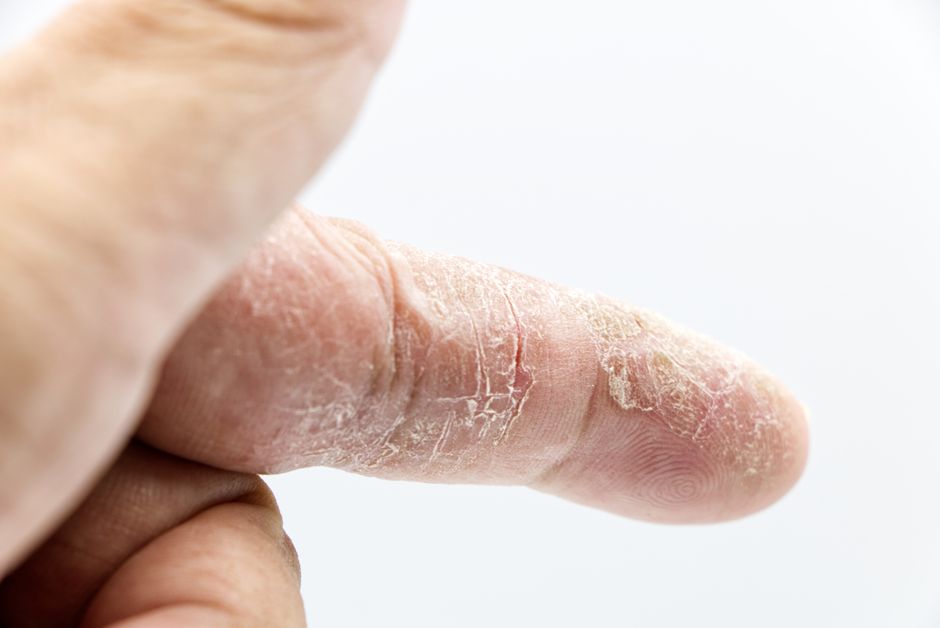
Hand eczema is a common, frustrating skin condition that can make everyday tasks painful. The path to getting rid of it is not a single cure but a systematic process: identify your specific triggers, repair the damaged skin barrier, and use proven treatments to break the itch-scratch cycle. Recovery is possible, but it requires consistency and a clear understanding of how this condition works, not a miracle cream.
What Is Hand Eczema And Why Does It Keep Coming Back?
Hand eczema, also known as hand dermatitis, is an inflammation of the skin on your hands. It is not one single disease but a reaction pattern with several possible causes. The skin becomes red, dry, cracked, and intensely itchy. In severe cases, blisters form.
The reason it keeps coming back is that the skin barrier fails. Your skin’s outer layer acts like a brick wall, keeping moisture in and irritants out. In eczema, that wall is leaky. Water escapes, causing dryness, and irritants get in, triggering inflammation. Even after your hands look healed, the barrier remains fragile for weeks. A single exposure to a trigger can start the entire cycle again.
Unlike a one-time rash, hand eczema is often a chronic condition. The goal is management and prevention, not just treating the current flare-up.
How To Get Rid Of Hand Eczema From Triggers To Recovery?
The most direct answer to how to get rid of hand eczema is to stop the exposure to whatever is causing it. If you do not know the cause, you cannot fix the problem. The recovery process has three clear steps. First, identify and remove the triggers. Second, restore the damaged skin barrier with moisturizers. Third, reduce inflammation with medication your doctor prescribes. This combination—trigger avoidance, barrier repair, and anti-inflammatory treatment—is the foundation of every effective hand eczema plan.
This approach works because it targets the actual disease process. Trigger avoidance stops new damage. Moisturizers repair the leaky barrier. Medications calm the immune response driving the redness and itching. Skipping any of these steps leaves a gap in your recovery.
What Are The Most Common Triggers For Hand Eczema?
Triggers fall into two main categories: irritants and allergens. Irritants damage the skin directly through chemical or physical action. Allergens cause the immune system to react.
Irritant triggers include:
- Water, especially frequent hand washing or wet work
- Soaps, detergents, and shampoos
- Cleaning products and solvents
- Frequent hand sanitizer use
- Mechanical friction from tools or repetitive motion
- Cold, dry air and low humidity
Allergic triggers are specific to each person. The most common include nickel, fragrances, preservatives in personal care products, rubber accelerators in gloves, and certain plants. Allergic contact dermatitis requires prior exposure. Your immune system must become sensitized to the substance before it reacts.
Occupational exposure is a major factor. Healthcare workers, hairdressers, cleaners, and food handlers have high rates of hand eczema because their jobs require frequent hand washing or contact with chemicals. If your symptoms improve on weekends and worsen during the work week, your job is likely the source.





How Do You Treat An Active Hand Eczema Flare-Up?
When your hands are red, itchy, or blistered, you need treatment that reduces inflammation quickly. Moisturizers alone will not stop an active flare. They support the skin but do not suppress the inflammatory response.
Topical corticosteroids are the standard first-line treatment for active flares. These are prescription creams or ointments that reduce inflammation and itching. They come in different strengths. Your doctor will recommend a potency based on the severity of your flare. Use them exactly as directed. Overuse can thin the skin, but underuse leaves the inflammation untreated.
For severe flares, some doctors prescribe a short course of oral corticosteroids. These work systemically and can bring rapid relief, but they are not for long-term use. For persistent cases that do not respond to topical steroids, other prescription options exist. These include topical calcineurin inhibitors like tacrolimus and newer oral medications that target specific parts of the immune system. A dermatologist should guide these decisions.
If you see signs of infection—increasing pain, swelling, pus, or honey-colored crusting—see a doctor. Infected eczema requires antibiotics and should not be treated at home.
What Is The Best Way To Moisturize And Repair The Skin Barrier?
Moisturizing is the backbone of hand eczema management. It is not optional. It is the single most important thing you can do to prevent future flares.
Use a thick ointment or cream, not a lotion. Lotions contain more water and evaporate quickly. Ointments like petroleum jelly and thick creams create a physical barrier that traps moisture in the skin. Apply moisturizer immediately after every hand wash. Keep a tube at every sink you use—home, work, and in your bag.
Apply moisturizer generously. The skin on your hands should feel greasy for a few minutes after application. If it absorbs instantly, you did not use enough. For severely dry hands, some dermatologists recommend the “soak and smear” method. Soak your hands in water for five minutes, pat dry gently, then apply a thick layer of ointment while the skin is still damp. This drives moisture into the skin.
Ingredients matter. Look for products with ceramides, which are natural lipids that help rebuild the skin barrier. Avoid products with fragrances, dyes, or botanical extracts. These add no therapeutic value and can trigger allergic reactions in damaged skin.
How Do You Prevent Hand Eczema From Returning?
Prevention is about changing habits and protecting your hands from exposure. This requires consistent effort, not occasional attention.
Wear gloves for wet work. Cotton gloves inside rubber or nitrile gloves work best. The cotton absorbs sweat and prevents prolonged contact with the rubber, which can irritate some people. Wear them for dishwashing, cleaning, and any task involving water or chemicals. Do not wear gloves for more than 20 minutes at a time if your hands sweat excessively. The trapped moisture can worsen eczema.
Change your hand washing routine. Use lukewarm water, not hot. Hot water strips more oil from the skin. Use a mild, fragrance-free cleanser. Pat your hands dry with a soft towel rather than rubbing them. Apply moisturizer immediately after drying.
Use hand sanitizer wisely. Alcohol-based sanitizers are very drying. If you must use them, choose one with moisturizers added. Apply moisturizer over the sanitizer once it dries. Whenever possible, wash with a gentle cleanser instead, especially if you already have active eczema.
Some research suggests that frequent use of barrier creams—products designed to protect the skin from irritants—can reduce the risk of occupational hand eczema. These are not the same as moisturizers. They contain ingredients that form a protective film on the skin. Evidence for their effectiveness is mixed, but some clinicians recommend them for people with unavoidable irritant exposure.
When Should You See A Doctor About Hand Eczema?
See a doctor if your hand eczema does not improve with consistent moisturizing and trigger avoidance within a few weeks. Also seek medical care if the eczema is severe, painful, or covers a large area. If blisters are present, or if you suspect an allergic trigger, a doctor can perform patch testing to identify the specific allergen.
Patch testing is the only reliable way to diagnose allergic contact dermatitis. Small patches containing common allergens are taped to your back for 48 hours. A dermatologist reads the results to identify what you are allergic to. This information is essential for avoiding the specific allergen causing your symptoms.
Do not ignore hand eczema that persists. Chronic untreated inflammation can lead to skin thickening, painful cracks, and a reduced ability to work or perform daily tasks. The earlier you seek proper diagnosis and treatment, the easier it is to control.
Are There Any Home Remedies That Actually Work?
People often search for natural or home remedies for hand eczema. The evidence for most of these is limited. Some are harmless but unproven. Others can make the condition worse.
Diluted bleach baths are sometimes recommended for eczema because they reduce bacterial colonization on the skin. Some research in atopic dermatitis suggests this can help, but evidence specifically for hand eczema is limited. If you try this, use a small amount of bleach in lukewarm water and rinse thoroughly. Discuss it with your doctor first.
Colloidal oatmeal baths or compresses may soothe itching. The evidence is modest, but oatmeal has anti-inflammatory properties that can provide temporary relief. Products containing colloidal oatmeal are generally safe for most people.
Coconut oil and other plant oils are popular. They are occlusive and can help trap moisture. However, some people are allergic to specific oils. Unrefined essential oils are a common cause of allergic contact dermatitis and should be avoided on broken skin.
There is no strong evidence that dietary changes cure hand eczema. Unless you have a confirmed food allergy linked to your skin symptoms, eliminating foods is unlikely to help. Focus on proven treatments rather than dietary guesswork.
Frequently Asked Questions
Can hand eczema be cured permanently?
Hand eczema is often a chronic condition that can be controlled but not permanently cured. With consistent trigger avoidance and skin care, many people achieve long periods without symptoms.
Is hand eczema contagious?
No, hand eczema is not contagious and cannot be spread to other people. It is an inflammatory skin condition, not an infection.
How long does it take for hand eczema to heal?
With proper treatment, active inflammation typically improves within one to two weeks. The skin barrier takes longer to repair, often requiring four to six weeks of consistent moisturizing to return to a more resilient state.
Are cotton gloves helpful for hand eczema at night?
Yes, wearing cotton gloves over a thick layer of moisturizer at night can significantly improve hydration. This technique traps moisture against the skin while you sleep and is commonly recommended by dermatologists.
