
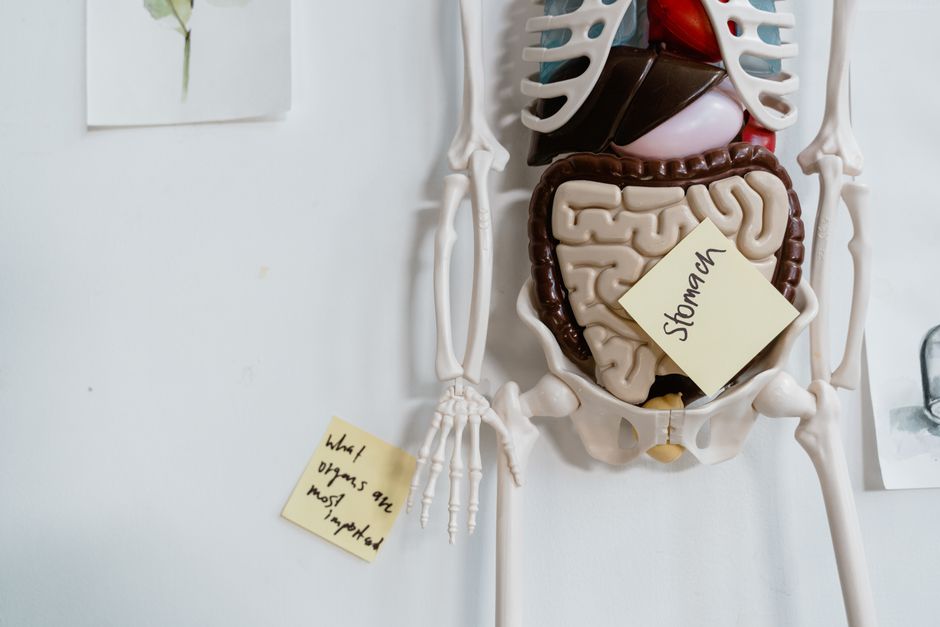
A nervous stomach is a real physical response, not something you are imagining. When stress or anxiety activates the body’s fight-or-flight response, digestion can slow down or speed up, and you may feel nausea, cramping, bloating, or urgency. What you can take depends on which symptom is bothering you most. Simple options like ginger, peppermint, or an over-the-counter antacid help some people, while persistent or severe symptoms need a doctor’s evaluation rather than a home remedy.
What Does “Nervous Stomach” Actually Mean?
The phrase describes digestive symptoms triggered by stress, anxiety, or emotional upset. It is not a formal medical diagnosis. Doctors may use terms like functional dyspepsia, irritable bowel syndrome (IBS), or anxiety-related gastrointestinal symptoms depending on what is happening.
The gut and brain are connected through what researchers call the gut-brain axis. This is a two-way communication system involving the vagus nerve, hormones, and chemical signals. When the brain perceives threat, it releases stress hormones like cortisol and adrenaline. Those hormones change how the digestive tract moves, how much acid it produces, and how sensitive the nerves in the gut become.
That is why anxiety can cause real, measurable changes in digestion. It is not “all in your head” in the dismissive sense. The physiology is documented and well understood.
What Can You Take For A Nervous Stomach?
The best choice depends on your main symptom. Nausea, cramping, bloating, and diarrhea each respond to different approaches. No single remedy covers all of them.
For nausea
- Ginger. Some studies suggest ginger can reduce nausea, including nausea from motion sickness and pregnancy. Evidence for stress-related nausea specifically is more limited. Ginger tea or chews are commonly used. Ginger can interact with blood-thinning medications, so check with a pharmacist if you take warfarin or similar drugs.
- Peppermint. Peppermint oil has been studied for IBS-related cramping and may help relax smooth muscle in the gut. Peppermint tea is gentler than concentrated oil. Peppermint can worsen acid reflux in some people because it relaxes the valve between the stomach and esophagus.
- Over-the-counter anti-nausea medications. Options like bismuth subsalicylate or dimenhydrinate are available without a prescription. These treat symptoms but not the underlying stress response. Follow package directions and check for interactions with other medications.
For cramping and urgency
- Loperamide. This over-the-counter medication slows bowel movements and is used for diarrhea. It should not be used if you have a fever or bloody stools, which can signal infection.
- Peppermint oil capsules. Some clinical trials support enteric-coated peppermint oil for IBS cramping. Enteric coating matters because it delays release until the capsule reaches the intestines.
For bloating and upper stomach discomfort
- Simethicone. This is an anti-gas medication that helps break up gas bubbles. Evidence for how well it works is mixed, but it is generally well tolerated.
- Antacids. If your nervous stomach includes acid reflux or burning, antacids can neutralize stomach acid. They do not address stress-related gut changes.
None of these options treat the anxiety driving the symptoms. They manage the downstream effects. That distinction matters if symptoms keep coming back.
Do Calming Techniques Help a Nervous Stomach?
Yes, and for some people they help more than any pill. Because the gut-brain axis runs both directions, calming the nervous system can directly change gut function.
Slow, diaphragmatic breathing activates the parasympathetic nervous system, sometimes called the “rest and digest” branch. This is the opposite of fight-or-flight. Research on breathing exercises and gut symptoms shows modest but real benefits for some people with IBS and functional digestive disorders.
Other approaches with some supporting evidence include:
- Cognitive behavioral therapy (CBT), which has been studied for IBS and functional gut disorders
- Gut-directed hypnotherapy, which has clinical trial support for IBS symptoms
- Regular physical activity, which is associated with fewer digestive complaints in observational studies
- Mindfulness-based stress reduction, though evidence for digestive symptoms specifically is more limited
These are not quick fixes. They take weeks to months to show benefit. But they address the trigger rather than just the symptom.





What Foods and Drinks Should You Avoid?
Certain foods can make a nervous stomach worse, especially when your gut is already sensitized by stress.
- Caffeine. Stimulates the nervous system and can increase stomach acid and urgency.
- Alcohol. Irritates the stomach lining and disrupts sleep, which affects stress regulation.
- Spicy and high-fat foods. Slower to digest and more likely to trigger reflux.
- Artificial sweeteners. Some, particularly sugar alcohols like sorbitol and mannitol, can cause bloating and diarrhea.
- Large meals. Eating quickly or heavily overloads a gut that is already reactive.
Smaller, slower meals tend to sit better. This is general guidance, not a treatment protocol. Individual triggers vary, and keeping a simple food and symptom log for a few weeks can reveal your own patterns better than any general list.
When Should You See a Doctor?
See a doctor if symptoms are persistent, severe, or come with warning signs. A nervous stomach should not be assumed to be stress-related until other causes are ruled out.
Warning signs that warrant medical evaluation include:
- Blood in stool or black, tarry stools
- Unintentional weight loss
- Persistent vomiting or inability to keep fluids down
- Fever with digestive symptoms
- Severe pain that wakes you from sleep
- Symptoms that started after age 50
- A family history of colon cancer, celiac disease, or inflammatory bowel disease
These do not automatically mean something serious. They mean the symptoms need a proper look rather than a home remedy. A doctor can check for conditions like celiac disease, thyroid problems, or inflammatory bowel disease that can mimic stress-related gut symptoms.
Can a Nervous Stomach Be Prevented?
You cannot eliminate stress from life, but you can reduce how much it hits your gut. The most effective approaches target the stress response itself, not just the stomach.
Regular sleep, consistent meal timing, and daily movement all support a more stable gut-brain relationship. None of these are dramatic. Their value is in consistency over time.
If anxiety is a recurring driver of your symptoms, treating the anxiety is often the most direct path to a calmer stomach. That may mean therapy, lifestyle changes, or in some cases medication prescribed by a doctor. This is not a suggestion to self-treat anxiety with supplements or alcohol. It is a recognition that the gut and brain are linked, and treating one often helps the other.
One detail worth knowing: the gut produces a large share of the body’s serotonin, a chemical also involved in mood. This is one reason researchers study the gut-brain connection so closely. It does not mean gut bacteria control your emotions. It means the relationship is more tangled than a simple one-way street.
What About Probiotics and Supplements?
The evidence for probiotics in stress-related digestive symptoms is mixed. Some studies show benefit for specific IBS symptoms with specific strains. Others show no difference from placebo. Probiotic products vary widely in strain, dose, and quality, and labels are not always accurate.
No clinical guidelines currently recommend a specific probiotic strain for a nervous stomach. If you want to try one, a doctor or dietitian familiar with your history can help you choose. Do not expect a supplement to replace treatment for an anxiety disorder or an undiagnosed digestive condition.
Herbal supplements marketed for “calm digestion” often have little to no human trial evidence. Some, like kava, carry real liver risks. Treat any supplement with the same caution you would a medication.
Frequently Asked Questions
What can I take for a nervous stomach right now?
For nausea, ginger or an over-the-counter anti-nausea medication may help. For cramping or diarrhea, loperamide or peppermint oil are common options. Match the remedy to your main symptom rather than taking several at once.
Does ginger actually help a nervous stomach?
Some studies suggest ginger reduces nausea, though evidence for stress-related nausea specifically is limited. Ginger tea or chews are commonly used and generally well tolerated. Check with a pharmacist first if you take blood thinners.
Can anxiety really cause stomach problems?
Yes. Stress hormones directly change how the gut moves, how much acid it produces, and how sensitive its nerves become. This is a documented effect of the gut-brain axis, not a psychological exaggeration.
When should a nervous stomach worry me?
See a doctor if you have blood in your stool, unintended weight loss, persistent vomiting, fever, or severe pain. Symptoms that start after age 50 also need evaluation. These signs do not confirm anything serious, but they need a proper check.
