

A nervous stomach is a real physical response to stress and anxiety, not just a figure of speech. It happens when your brain’s stress response directly affects your digestive system, causing symptoms like nausea, cramps, and the sudden urge to use the bathroom. Relief focuses on calming both your mind and your digestive tract, using a combination of immediate coping strategies and longer-term habits.
What Is A Nervous Stomach Symptoms And Relief?
A nervous stomach describes digestive discomfort that appears or worsens when you feel anxious, stressed, or emotionally triggered. The brain and gut are directly connected through the vagus nerve, a major communication highway. When your brain perceives a threat—even a non-physical one like a big presentation—it sends signals that change how your stomach and intestines move, secrete fluids, and absorb nutrients.
This is not imaginary. It is a measurable physiological process. The same stress hormones that prepare your muscles to fight or flee also slow or speed up digestion, which creates the physical symptoms you feel.
What Does a Nervous Stomach Feel Like?
Symptoms vary from person to person, but they often center on the upper or lower abdomen. The most common complaints include nausea, a churning or knotting sensation in the stomach, bloating, and cramping. Many people also experience a sudden, urgent need to have a bowel movement right before a stressful event, like an exam or a job interview.
Other symptoms can include loss of appetite, a feeling of fullness after eating very little, and acid reflux or heartburn. Some people feel shaky or lightheaded alongside the stomach symptoms because the stress response affects the whole body, not just the gut.
These symptoms are usually temporary. They tend to come on in anticipation of a stressful event and fade once the event passes or your anxiety decreases.
What Causes the Gut to React to Stress?
The gut has its own nervous system, called the enteric nervous system, which contains hundreds of millions of nerve cells. It lines your entire digestive tract from esophagus to rectum. This “second brain” does not produce thoughts, but it does regulate digestion independently. It also communicates constantly with your central nervous system.
When you experience stress, your brain activates the sympathetic nervous system—your fight-or-flight response. This releases hormones like adrenaline and cortisol. These hormones redirect blood flow away from the digestive organs and toward your muscles and heart. That shift can slow digestion, cause spasms in the intestinal wall, and increase sensitivity to pain and gas.
Stress can also change the makeup of your gut microbiome, the community of bacteria living in your intestines. Some research suggests that chronic stress alters the balance of these bacteria, which can affect digestion and even mood. The exact mechanisms are still being studied, but the connection between emotional stress and gut function is well established.




How Is a Nervous Stomach Different From IBS?
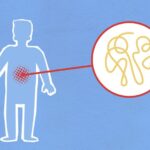
A nervous stomach is a symptom pattern, not a formal medical diagnosis. Irritable bowel syndrome (IBS) is a diagnosed condition with specific criteria. IBS involves recurrent abdominal pain linked to changes in bowel habits—diarrhea, constipation, or both—over a period of months.
Many people with IBS find their symptoms flare during stressful periods. The brain-gut connection is considered a central feature of IBS. However, you can have a nervous stomach without having IBS. The key difference is duration and pattern. A nervous stomach tied to a specific stressful event often resolves when the stress resolves. IBS symptoms are chronic and recurring, even when no obvious stressor is present.
If your symptoms are frequent, severe, or interfering with daily life, talk to a doctor. They can rule out other conditions like celiac disease, inflammatory bowel disease, or a stomach ulcer.
What Are the Quickest Ways to Calm It?
When symptoms hit, the fastest relief often comes from calming the nervous system. Deep breathing is one of the most effective immediate tools. Slow, deliberate breaths—inhaling for a count of four, holding for four, and exhaling for four—activate the parasympathetic nervous system, which is the “rest and digest” system. This directly counters the fight-or-flight response.
Ginger tea or peppermint tea can help settle mild nausea for some people. These are not treatments for anxiety, but they can ease the digestive discomfort while your nervous system settles. Sipping water slowly also helps, especially if you feel nauseated.
If you are about to enter a stressful situation, try grounding techniques. Name five things you can see, four you can touch, three you can hear, two you can smell, and one you can taste. This shifts your brain’s focus away from the perceived threat and can reduce the intensity of the gut reaction.
For some people, a short walk helps. Gentle movement can relieve gas and cramping while also burning off excess adrenaline. Avoid intense exercise during an acute episode, as it can worsen nausea.
What Long-Term Habits Reduce Nervous Stomach Episodes?
Managing stress on a regular basis is the most effective way to reduce how often a nervous stomach occurs. Regular physical activity, adequate sleep, and consistent meal times all support both mental health and digestive function. Eating balanced meals with enough fiber helps regulate bowel movements, which can reduce the discomfort of stress-related changes in digestion.
Mindfulness and meditation have shown benefit in some studies for reducing anxiety-related gut symptoms. The evidence is not overwhelming, but it is promising. Cognitive behavioral therapy (CBT) has stronger evidence for treating anxiety and has been shown to help people with IBS and other functional gut disorders.
Limiting caffeine and alcohol can also help. Both can stimulate the digestive tract and increase anxiety, creating a cycle of discomfort. Keeping a food and mood diary can help you identify patterns—perhaps your symptoms are worse after certain foods or during specific types of stress.
Probiotics are often marketed for gut health, but the evidence for specific strains improving stress-related digestive symptoms is limited. Some studies suggest certain probiotics may help with IBS symptoms, but no single strain has been proven to treat a nervous stomach. Talk to your doctor before starting any supplement.
When Should You See a Doctor?
Occasional nervous stomach symptoms during stressful events are common and usually not a cause for concern. But some symptoms warrant a medical evaluation. See a doctor if you have severe abdominal pain, blood in your stool, unexplained weight loss, or persistent vomiting. These are not typical signs of a nervous stomach and need proper investigation.
Also see a doctor if your symptoms are frequent enough to affect your work, school, or social life. If you are avoiding activities because you are afraid of stomach symptoms, that is a sign the problem is bigger than occasional stress. A doctor can help you determine whether your symptoms are related to anxiety, a digestive condition, or both.
Treatment may involve therapy, medication for anxiety, or dietary changes. Some people benefit from medications that reduce gut spasms or regulate motility. The right approach depends on your specific symptoms and their causes.
Frequently Asked Questions
Can a nervous stomach cause nausea every morning?
Yes, morning nausea can be a sign of anticipatory anxiety, especially before a stressful day. If it happens daily, see a doctor to rule out other causes like acid reflux or pregnancy.
Does a nervous stomach go away on its own?
It usually passes once the stressful event or period ends. If symptoms persist for weeks without a clear stressor, seek medical advice.
What foods make a nervous stomach worse?
High-fat foods, spicy foods, caffeine, and carbonated drinks can worsen symptoms for some people. These foods stimulate the digestive tract and can increase gas, cramping, or reflux.
Is a nervous stomach a mental health condition?
No, it is a physical symptom pattern triggered by stress or anxiety. It can occur in people with or without a diagnosed anxiety disorder.
