
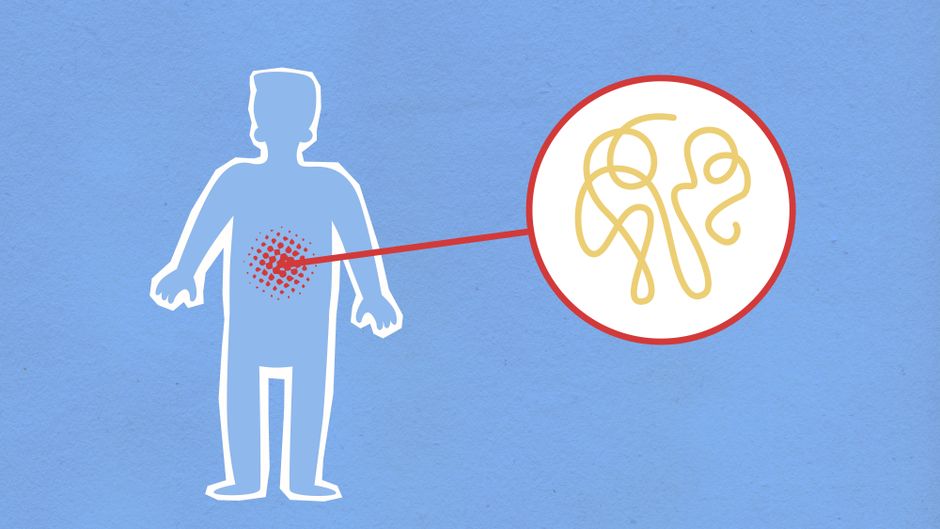
You wake up at 2 AM with sudden nausea, stomach cramps, and the urgent need to get to a bathroom. Your first thought is usually wrong. Most people assume they have the stomach flu. But the real cause is often something else entirely. The key difference comes down to timing and what you ate in the last few hours. Food poisoning hits fast and hard, usually within 6 hours of eating contaminated food. Stomach flu, which doctors call viral gastroenteritis, takes 12 to 48 hours to develop after exposure to a virus. If symptoms started within hours of a meal, it is likely food poisoning. If they came on slowly over a day or two, it is probably a stomach virus.
What Actually Causes Food Poisoning?
Food poisoning happens when you eat food contaminated with bacteria, viruses, or parasites. The CDC estimates that 1 in 6 Americans gets food poisoning each year. That is about 48 million people. Common culprits include Salmonella, E. coli, Norovirus, and Campylobacter. These pathogens come from undercooked meat, unwashed produce, unpasteurized dairy, or food left out too long at unsafe temperatures.
Norovirus actually causes both food poisoning and stomach flu. That might sound confusing. The difference is how you got it. If you ate contaminated food, it is food poisoning. If you touched a contaminated surface and then your mouth, it is a stomach virus. The symptoms are nearly identical. That is why telling them apart based on symptoms alone is not always reliable.
Bacterial causes like Salmonella and E. coli tend to cause more intense symptoms. Bloody diarrhea is more common with bacterial infections. Fever is also more likely. Viral causes like Norovirus usually cause vomiting as the main symptom with less fever. But these are general patterns, not hard rules.
What Does Research on Is It Food Poisoning Or Stomach Flu How To Tell Show?
Research published in the journal Clinical Infectious Diseases found that the single most reliable clue is timing. In a study of over 2,000 cases, people with food poisoning reported symptoms starting within 6 hours of eating 87 percent of the time. People with viral gastroenteritis reported symptoms starting 24 to 48 hours after exposure in 76 percent of cases.
The second clue is who else is sick. If you ate the same meal as others and they are also sick, food poisoning is much more likely. Stomach flu spreads person to person. If your spouse or child got sick a day after you did, that points to a virus.
A third clue that some studies suggest is the type of symptom. Vomiting alone without diarrhea is more common with Norovirus food poisoning. Diarrhea alone without vomiting is more common with bacterial food poisoning. But many people get both, so this is not a reliable way to tell on its own.
What Are the Key Differences Between Food Poisoning and Stomach Flu?
Here is a table that summarizes the main differences based on current medical evidence.
| Factor | Food Poisoning | Stomach Flu (Viral Gastroenteritis) |
|---|---|---|
| Onset time | 1 to 6 hours after eating | 12 to 48 hours after exposure |
| Duration | Usually 24 hours or less | Usually 1 to 3 days |
| Main symptom | Vomiting or diarrhea (varies by bacteria) | Watery diarrhea and vomiting together |
| Fever | Common with bacterial causes | Less common, usually low-grade |
| Blood in stool | Possible with E. coli or Salmonella | Rare |
| How it spreads | Through contaminated food or water | Person to person or contaminated surfaces |
| Affects others who ate same food | Yes, often | No |
This table is a guide, not a diagnostic tool. Many cases do not fit neatly into one category. The only way to know for sure is a stool test done by a doctor. But most people do not need that level of certainty because the treatment is the same for both.




How Should You Treat Food Poisoning or Stomach Flu at Home?
Treatment for both conditions is essentially identical. The main goal is preventing dehydration. Your body loses fluids through vomiting and diarrhea. You need to replace those fluids. The American Academy of Family Physicians recommends using an oral rehydration solution if you can. These are available at any pharmacy. They contain the right balance of water, salt, and sugar that your intestines can absorb.
Sports drinks are not a good substitute. They have too much sugar and not enough electrolytes. Water alone is also not ideal because it lacks the electrolytes your body needs. Clear broths and diluted fruit juices are acceptable options if you cannot get an oral rehydration solution.
Do not take anti-diarrhea medications like loperamide if you have a fever or bloody stool. Research shows these medications can make bacterial infections worse by keeping the bacteria in your gut longer. Let your body clear the infection naturally. The vomiting and diarrhea are your body’s way of getting rid of the pathogen.
Rest is important. Your immune system works harder when you are fighting an infection. Give it the energy it needs by staying in bed and avoiding solid food for the first few hours. Once you can keep liquids down, try bland foods like crackers, toast, rice, or bananas. The BRAT diet — bananas, rice, applesauce, toast — is still a reasonable starting point.
When Should You See a Doctor?
Most cases of food poisoning and stomach flu resolve on their own within 1 to 3 days. But some situations require medical attention. The CDC lists these warning signs:
- Blood in your vomit or stool
- A fever over 101.5°F that lasts more than 24 hours
- Severe abdominal pain that does not go away
- Signs of dehydration like dark urine, dry mouth, dizziness, or not urinating for 8 hours
- Inability to keep any liquids down for more than 12 hours
- Symptoms that last longer than 3 days
Children, older adults, pregnant women, and people with weakened immune systems are at higher risk for complications. They should see a doctor sooner rather than later. Dehydration can happen fast in these groups.
If you need medical care, your doctor may order a stool test to identify the specific pathogen. This is not routine for most cases. It is usually reserved for severe symptoms, outbreaks, or when the cause matters for public health reasons. Knowing the exact cause rarely changes the treatment plan.
Common Misconceptions About Food Poisoning and Stomach Flu
One widespread myth is that food poisoning always comes from restaurant food. This is not true. The CDC reports that most food poisoning cases actually come from home-cooked meals. Cross-contamination in your own kitchen, undercooked meat, and unwashed produce are the leading causes. Restaurants are not blameless, but they are not the main source.
Another myth is that the stomach flu is actually a form of influenza. It is not. Influenza is a respiratory virus that causes fever, cough, and body aches. Viral gastroenteritis attacks the digestive system. The two are completely different. Calling it “stomach flu” is a misnomer that confuses people every year.
Some people believe that if you vomit once or twice, you should immediately take medication to stop it. That is usually not a good idea. Vomiting is your body’s defense mechanism. Stopping it too early can keep the toxin or pathogen inside you longer. Only consider antiemetic medications if you are at risk of dehydration from persistent vomiting. A doctor can prescribe these if needed.
A final misconception is that you cannot get food poisoning from fruits and vegetables. Produce is actually a common source. Leafy greens, berries, and melons have caused major outbreaks. The FDA has linked several Salmonella and E. coli outbreaks to produce in recent years. Always wash fruits and vegetables thoroughly, even if you plan to peel them.
How Can You Prevent Food Poisoning and Stomach Flu?
Prevention strategies differ slightly for each condition. For food poisoning, the focus is on safe food handling. The USDA recommends four steps: clean, separate, cook, and chill. Wash your hands and surfaces often. Keep raw meat separate from other foods. Cook meat to safe internal temperatures. Refrigerate leftovers within two hours.
For stomach flu, the focus is on hand hygiene and surface cleaning. Norovirus is highly contagious. It can survive on surfaces for weeks. Use bleach-based cleaners on countertops, doorknobs, and bathroom surfaces. Wash your hands with soap and water frequently. Hand sanitizer does not kill Norovirus effectively. Soap and water are necessary.
If someone in your home is sick, keep them isolated if possible. Use a separate bathroom if you have one. Wash their laundry separately with hot water. Do not share utensils, cups, or towels. These steps reduce the chance of spreading the virus to others in the household.
Frequently Asked Questions
Can food poisoning last more than 24 hours?
Yes, some bacterial food poisoning like Salmonella can last 4 to 7 days. Most viral food poisoning clears within 24 hours.
Is it safe to take Imodium for food poisoning?
No, not if you have a fever or bloody stool. It can trap bacteria in your gut and make the infection worse.
How long after eating does food poisoning start?
Most cases start within 1 to 6 hours. Some bacteria like Listeria can take weeks to cause symptoms.
Can you have food poisoning without vomiting?
Yes, many bacterial food poisoning cases cause diarrhea without vomiting. Norovirus usually causes vomiting.
