
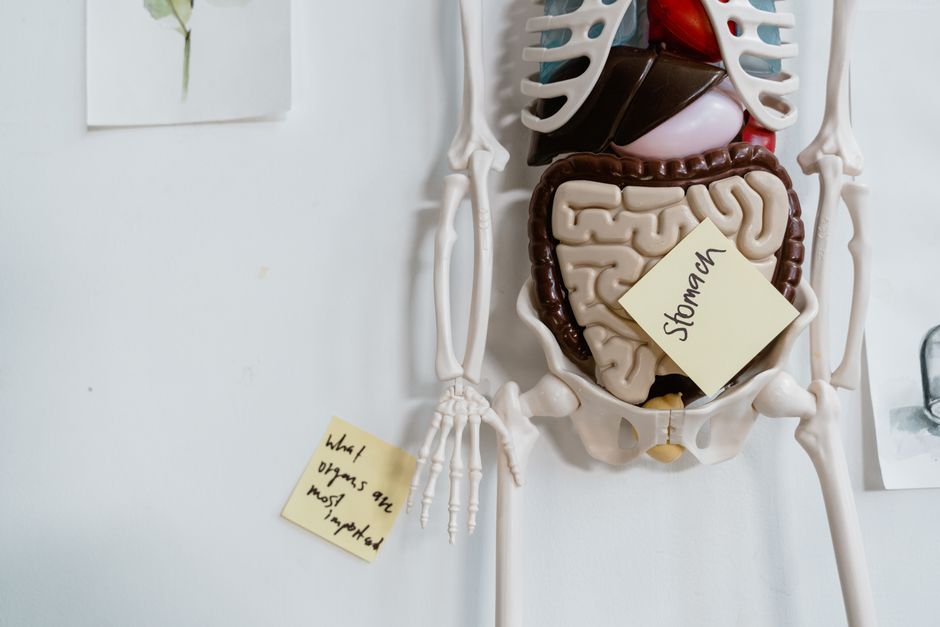
A nervous stomach is a real physical response to stress, not something you imagined. When you feel anxious, your brain sends signals directly to your digestive system, which can cause cramping, nausea, butterflies, or the sudden urge to use the bathroom. The most effective natural remedies calm the nervous system first, which in turn settles the stomach. Deep breathing, peppermint or ginger tea, and gentle movement are proven first-line options. If your symptoms are frequent or severe, it is important to talk with a doctor, because the same symptoms can also point to other digestive conditions like irritable bowel syndrome (IBS).
Why Does Stress Hit Your Stomach So Hard?
Your gut and brain are connected through the vagus nerve, a direct communication line between them. This is often called the gut-brain axis. When stress activates your fight-or-flight response, your body slows down digestion to save energy for your muscles and heart. That slowing can lead to bloating, gas, and constipation. In other cases, stress speeds up the colon, which causes diarrhea and urgency.
This is not a psychological weakness. It is a normal, physical response that everyone experiences to some degree. For some people, the response is more intense because their gut is more sensitive to stress signals. That sensitivity is a real physiological trait, not a sign that the symptoms are imagined.
What To Do For A Nervous Stomach Natural Remedies That Work
Start with the simplest tools first. Deep breathing is the fastest way to shift your body out of fight-or-flight mode. Slow, diaphragmatic breathing — breathing in through your nose for four counts and out through your mouth for six counts — activates the parasympathetic nervous system, which tells your gut to resume normal function.
Ginger is one of the best-studied natural remedies for nausea. It works by blocking certain receptors in the gut that trigger the vomiting reflex. You can chew a small piece of fresh ginger, drink ginger tea, or take ginger lozenges. Peppermint is different — it helps with cramping and bloating by relaxing the smooth muscle of the intestinal wall. Peppermint tea is gentle, but enteric-coated peppermint oil capsules are more effective for IBS-type symptoms because they release the oil in the intestines rather than the stomach.
Gentle movement also helps. A short walk, light stretching, or yoga poses like child’s pose and knees-to-chest can relieve trapped gas and reduce anxiety. Avoid vigorous exercise during an acute episode, because it can make nausea worse.
What To Eat And Avoid During A Nervous Stomach Episode
When your stomach is already upset, the goal is to eat foods that are easy to digest and low in irritants. The BRAT diet — bananas, rice, applesauce, and toast — is a well-established approach for acute stomach upset. These foods are bland, low in fiber, and unlikely to trigger additional cramping.
Warm broths and plain crackers are also gentle options. Small, frequent meals are better than large ones, because a full stomach puts more pressure on the digestive tract and can worsen nausea.
Avoid these during an episode:
- Caffeine, which stimulates the gut and can cause diarrhea
- Alcohol, which irritates the stomach lining
- Spicy or fried foods, which are harder to digest
- Dairy, if you are sensitive to lactose
- Carbonated drinks, which increase bloating and gas
Once the episode passes, focus on a fiber-rich diet with plenty of vegetables, fruits, and whole grains. Regular fiber intake helps regulate bowel movements and may reduce the intensity of future stress-related digestive symptoms.





Herbal Teas And Supplements: What The Evidence Actually Shows
Several herbs have genuine evidence behind them for digestive symptoms. Chamomile tea has mild anti-inflammatory properties and has been used for centuries to soothe the digestive tract. Some research suggests it may help reduce the severity of IBS symptoms, though larger studies are still needed.
Lemon balm, often combined with chamomile in teas, has calming properties that can reduce anxiety and its digestive effects. Fennel seeds are another option — they contain compounds that relax the digestive tract and reduce gas. Chewing a teaspoon of fennel seeds after meals is a traditional remedy with some supporting research.
For supplements, the evidence is more mixed. Probiotics — beneficial bacteria that support gut health — have shown promise in some studies for reducing IBS symptoms, but results vary widely between strains and individuals. If you try a probiotic, look for one that lists specific strains such as Bifidobacterium infantis or Lactobacillus plantarum, and give it at least four weeks to see any effect.
Magnesium is sometimes recommended for stress-related digestive issues because it relaxes muscles and may help with constipation. However, high doses cause diarrhea, and no clinical guidelines currently exist for using magnesium specifically for nervous stomach. Talk to your doctor before starting any supplement, especially if you take prescription medications.
When A Nervous Stomach Is Actually IBS Or Another Condition
Irritable bowel syndrome is the most common condition that overlaps with a nervous stomach. IBS is diagnosed when you have abdominal pain at least once a week for three months, along with changes in stool frequency or appearance. Many people with IBS notice their symptoms flare during stressful periods. The treatment approach is different — it often involves a structured diet plan called the low-FODMAP diet, which eliminates certain fermentable carbohydrates that trigger symptoms.
Other conditions can mimic a nervous stomach. Gastritis, an inflammation of the stomach lining, causes burning pain and nausea. Peptic ulcers cause similar symptoms but are specifically linked to the Helicobacter pylori bacteria or long-term use of NSAID pain relievers. Gallbladder issues can cause upper abdominal pain after eating fatty meals.
See a doctor if you experience any of these warning signs:
- Blood in your stool or black, tarry stool
- Unexplained weight loss
- Severe pain that does not improve
- Fever
- Vomiting that lasts more than 48 hours
- Difficulty swallowing
These symptoms are not part of a nervous stomach and require medical evaluation.
Long-Term Strategies To Reduce Stress-Related Digestive Symptoms
The most effective long-term approach addresses both the stress response and the digestive system. Regular physical activity — even 30 minutes of walking most days — reduces baseline anxiety and improves gut motility. Adequate sleep is equally important; sleep deprivation increases stress hormones and makes the gut more reactive.
Mindfulness-based stress reduction has solid evidence behind it for digestive symptoms. A structured mindfulness program teaches you to notice stress signals early and respond differently to them. Some clinical trials have found that mindfulness-based cognitive therapy reduces IBS symptom severity as effectively as standard dietary interventions.
Keeping a symptom diary can help you identify patterns. Track what you ate, your stress level, and your symptoms for two to three weeks. Many people discover that their symptoms are not random — they cluster around specific stressors, sleep patterns, or foods. That information is valuable for both you and your doctor.
Breathing Techniques You Can Use Anywhere
When a nervous stomach hits in a meeting, on a commute, or at a social event, you need a discreet tool. Diaphragmatic breathing is the most portable remedy available. Place one hand on your chest and one on your belly. Breathe in slowly through your nose so your belly rises, then exhale slowly through your mouth. Do this for two to three minutes.
Another technique is the physiological sigh — two quick inhales through the nose followed by one long exhale through the mouth. This pattern has been shown in research to reduce stress rapidly by inflating the lungs and slowing the heart rate. It is subtle enough to do in public without drawing attention.
These techniques work because they directly activate the vagus nerve, which sends a signal to your brain that the threat has passed. Your gut receives that signal and begins to relax. The effect is not immediate for everyone, but most people notice improvement within five to ten minutes of consistent breathing.
What Not To Do For A Nervous Stomach
Antacids are not the right tool for a nervous stomach unless you have actual heartburn. They neutralize stomach acid but do nothing for stress-related cramping or motility changes. Taking them unnecessarily can even interfere with normal digestion.
Avoid self-medicating with anti-diarrheal medications unless you truly need them. These drugs slow gut motility, which can cause constipation if used too often. They are appropriate for occasional episodes but not for ongoing stress-related symptoms.
Do not ignore persistent symptoms. If you have been managing a nervous stomach for months and it is not improving, that is a reason to seek medical care, not to try more home remedies. Chronic digestive symptoms deserve a proper evaluation, which may include blood tests, stool tests, or a referral to a gastroenterologist.
Frequently Asked Questions
What is the fastest natural remedy for a nervous stomach?
Deep breathing exercises are the fastest natural remedy because they directly calm the nervous system and reduce gut sensitivity. Slow, diaphragmatic breathing for two to three minutes often relieves acute symptoms.
Is ginger or peppermint better for a nervous stomach?
Ginger is better for nausea, while peppermint is better for cramping and bloating. Choose based on your primary symptom, or drink a tea that combines both.
Can a nervous stomach cause symptoms every day?
Yes, chronic stress can cause daily digestive symptoms, but daily symptoms should be evaluated by a doctor. Persistent symptoms may indicate IBS or another condition that needs specific treatment.
Should I take probiotics for a nervous stomach?
Some evidence suggests specific probiotic strains may help with IBS symptoms, but results vary by person and strain. Give any probiotic at least four weeks, and discuss it with your doctor first.
