

A stomach bug hits fast. One moment you feel fine, the next you are running for the bathroom or curled up with cramps. The last thing you want to think about is food. But your body still needs fuel to fight off the infection and repair itself. The key is knowing what to eat and what to skip until your system settles down.
The short answer is simple: start with bland, low-fat, low-fiber foods in small amounts. Think plain crackers, toast, rice, bananas, and applesauce. Sip clear fluids like water, broth, or an oral rehydration solution. Then gradually add more foods as your symptoms improve. This approach gives your irritated digestive tract a chance to recover without making things worse.
What Can You Eat When You Have A Stomach Bug?
The BRAT diet is the classic starting point. BRAT stands for bananas, rice, applesauce, and toast. These foods are bland, easy to digest, and gentle on an inflamed stomach lining. They also help firm up loose stools because they are low in fiber and fat.
Bananas are especially useful because they replace potassium lost through vomiting and diarrhea. White rice and white toast are low in fiber, which means your digestive system does not have to work as hard to break them down. Applesauce provides some natural sugar for energy without the acid and fiber of whole apples.
You do not need to stick strictly to these four foods. Other good options include plain crackers, pretzels, boiled potatoes without the skin, plain noodles, and clear broth. The guiding principle is the same: bland, starchy, low-fat, and easy to digest.
Eat small amounts. A few crackers every hour or two is better than a full meal. Your stomach needs time to process food, and a large portion can trigger more nausea or vomiting. Start with a bite or two and see how you feel before eating more.
Why Bland Foods Help a Sick Stomach
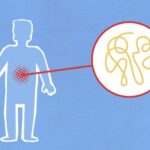
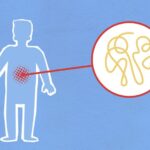
When you have a stomach bug, the lining of your stomach and intestines becomes inflamed. This inflammation makes the digestive tract more sensitive. Fatty foods slow down digestion and can stimulate the gut to contract, which often leads to more cramping and diarrhea.
Spicy foods contain compounds like capsaicin that can irritate an already inflamed stomach lining. Acidic foods, such as citrus fruits, tomatoes, and vinegar-based dressings, can also trigger discomfort. High-fiber foods like whole grains, beans, and raw vegetables require more work to digest and can worsen diarrhea.
Bland foods avoid all of these problems. They are low in fat, low in acid, and low in fiber. They give your digestive system a break while still providing calories and some nutrients. This is why the same basic foods are recommended for stomach bugs across different cultures and medical traditions.
Your body is also losing fluids and electrolytes through vomiting and diarrhea. Dehydration is the main danger with a stomach bug, not lack of food. Replacing fluids matters more than eating in the first 24 hours. Once you can keep fluids down, you can start adding solid foods.
Fluids You Should Drink First
Clear liquids are the priority. Water is fine, but it does not replace the electrolytes you lose when you vomit or have diarrhea. Sodium, potassium, and chloride all need to be replenished. Oral rehydration solutions are designed for exactly this purpose.
These solutions contain the right balance of water, sugar, and electrolytes for your body to absorb them efficiently. You can find them in most pharmacies under brand names like Pedialyte or store-brand equivalents. They are not just for children. Adults with stomach bugs benefit from them too.
Clear broth, such as chicken or vegetable broth, is another good option. It provides sodium and fluid. Sports drinks can help, but they contain more sugar than needed, which can sometimes draw water into the intestines and worsen diarrhea. If you use a sports drink, dilute it with water.
Sip fluids slowly. Drinking too much at once can trigger the gag reflex and cause more vomiting. Take small sips every 10 to 15 minutes. If you can tolerate that, gradually increase the amount.



Foods to Avoid Until You Recover
Dairy products are a common problem during a stomach bug. Even if you are not lactose intolerant, the inflammation in your intestines can temporarily reduce the enzymes that digest lactose. Milk, cheese, and ice cream can cause bloating, cramping, and more diarrhea. Yogurt is sometimes better tolerated, but it is safest to avoid all dairy for a few days.
Fried and fatty foods are hard to digest and can stimulate the gut. This includes fast food, greasy meats, chips, and pastries. Your digestive system is already working overtime to clear the infection. Do not make it work harder.
High-fiber foods can worsen diarrhea. This includes whole grains, bran cereals, nuts, seeds, beans, and most raw vegetables. The fiber pulls water into the intestines, which makes stools looser and more frequent. Cooked vegetables like carrots or green beans are usually fine in small amounts, but raw ones are best avoided.
Sugary foods and drinks can also be a problem. Sugar draws water into the intestines, similar to fiber. Sodas, fruit juices, and candy can make diarrhea worse. Avoid alcohol completely. It is dehydrating and irritates the stomach lining.
When and How to Add Normal Foods Back
You do not need to stay on the BRAT diet forever. Once vomiting stops and diarrhea begins to improve, you can start adding more foods. The transition usually takes a few days. Listen to your body and go slowly.
Start with foods that are easy to digest but slightly more substantial than the BRAT basics. Plain chicken or turkey without skin, baked fish, scrambled eggs, white rice with a little salt, cooked carrots, and well-ripe bananas are all reasonable next steps. These provide protein and more calories to help your body recover.
Add one new food at a time. Wait a few hours to see how your body reacts. If symptoms return, go back to the bland foods for another day. If you feel fine, continue adding other foods gradually.
By day three or four, most people can return to a fairly normal diet. Some people need a week or more, especially if the bug was severe. There is no set timeline. The guide is simple: if a food causes cramping, nausea, or diarrhea, wait longer before trying it again.
Signs That You Need Medical Care
Most stomach bugs resolve on their own within a few days. But some situations require medical attention. Dehydration is the biggest concern, especially in young children, older adults, and people with chronic health conditions.
Signs of dehydration include extreme thirst, dry mouth, dark urine, urinating very little, dizziness, and weakness. If you cannot keep any fluids down for more than 24 hours, that is a reason to see a doctor. Blood in your vomit or stool is also a red flag.
A fever above 102°F that lasts more than a couple of days warrants medical evaluation. Severe abdominal pain that does not improve, or pain that is localized to one area, can signal something other than a routine stomach bug. Confusion or lethargy is always a reason to seek urgent care.
For infants and young children, the threshold for calling a doctor is lower. No wet diapers for several hours, crying without tears, or a sunken soft spot on the head are signs of dehydration that need prompt attention. Older adults with heart or kidney conditions should also be more cautious.
Frequently Asked Questions
How long should I wait before eating after vomiting?
Wait about 30 to 60 minutes after your last episode of vomiting before trying anything by mouth. Start with small sips of clear fluid, then progress to bland foods if the fluid stays down.
Can I drink ginger ale or cola for a stomach bug?
Flat ginger ale or cola is a common home remedy, but these drinks are high in sugar, which can worsen diarrhea. Clear broth or an oral rehydration solution is a better choice for replacing fluids and electrolytes.
Is yogurt good to eat when recovering from a stomach bug?
Yogurt is often better tolerated than milk because it contains less lactose, but it can still cause problems for some people during recovery. Wait until diarrhea has mostly stopped before trying yogurt, and choose a plain variety without added sugar.
Should I take anti-diarrhea medicine for a stomach bug?
Anti-diarrhea medications like loperamide can be helpful for mild cases, but they are not recommended if you have a fever or bloody stools, as this can indicate a bacterial infection that needs to run its course. Talk to a pharmacist or doctor before taking them.
