
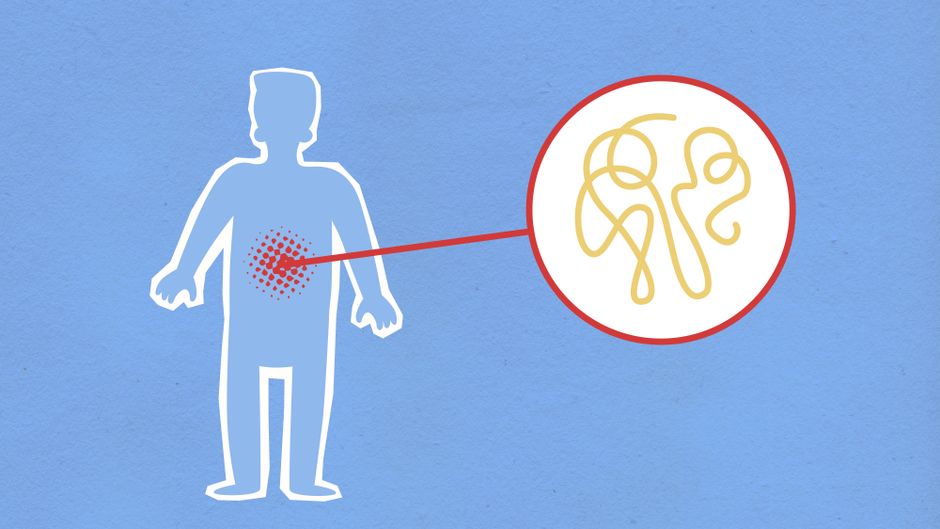
Stomach flu, also called viral gastroenteritis, spreads mainly through direct contact with an infected person, touching contaminated surfaces, breathing in viral particles after someone vomits, or eating food handled by someone who is sick. The virus enters your body through your mouth, usually when your hands carry it from a surface or object you touched. This happens faster than most people realize.
Norovirus causes about 60 percent of all stomach flu cases in the United States, according to the CDC. It is highly contagious and very hard to kill with regular cleaning. A single infected person can shed billions of viral particles in their vomit and stool. It takes fewer than 20 particles to make another person sick. That is why stomach flu spreads so quickly through homes, schools, and cruise ships.
Understanding exactly how the virus moves from person to person can help you avoid it. Most people think stomach flu is airborne like a cold virus. That is not quite right. The truth is more specific and worth knowing.
How Does Stomach Flu Spread Through Touch?
Touch is the most common way stomach flu spreads. When an infected person uses the bathroom and does not wash their hands well enough, viral particles stay on their skin. They then touch a doorknob, a light switch, a phone, or a kitchen counter. The virus lives on hard surfaces for days or even weeks.
You touch that same surface hours later. The virus transfers to your fingers. Then you eat a sandwich, bite your nails, or rub your eyes. That is the moment the virus enters your body. The CDC states that norovirus can survive on surfaces for up to two weeks at room temperature.
Hand sanitizer does not kill norovirus well. The CDC is clear about this. Alcohol-based hand sanitizers reduce the virus but do not eliminate it. Soap and water work much better because the physical scrubbing and rinsing remove the viral particles from your skin. Washing for at least 20 seconds is what studies show is effective.
One study published in the Journal of Food Protection found that hand sanitizer with 60 percent alcohol reduced norovirus on hands but did not remove it completely. Soap and water removed significantly more. This matters because people often rely on hand sanitizer when soap is not available.
Can Stomach Flu Spread Through the Air?
Stomach flu can spread through the air, but only in a specific way. When an infected person vomits, tiny droplets of vomit become airborne. These droplets contain viral particles. If you are nearby and breathe them in, or if they land on surfaces you later touch, you can get sick.
This is not the same as a cold or flu virus that floats in the air for long periods. Norovirus droplets are heavier and fall to surfaces quickly. The risk is highest within a few feet of someone who is actively vomiting. Research published in the Journal of Infectious Diseases showed that norovirus could be detected in air samples near patients who had vomited.
Cleaning up vomit the wrong way can also spread the virus through the air. If you spray a bleach solution directly onto vomit, it can aerosolize viral particles. The CDC recommends gently covering vomit with paper towels or a cloth before cleaning to avoid this.
Masks are not commonly recommended for stomach flu prevention in homes. But if someone in your house is actively vomiting, staying more than six feet away and opening a window for ventilation is a reasonable step.
How Does Stomach Flu Spread Through Food?
Food is a major route for stomach flu outbreaks. An infected food handler can contaminate food during preparation. This happens most often with raw foods that are not cooked after being handled, such as salads, sandwiches, fruit, and ice. Cooking kills norovirus, so cooked foods are safer unless they are contaminated after cooking.
Shellfish, especially oysters, are a common source of norovirus outbreaks. Oysters filter water as they feed. If the water is contaminated with sewage containing norovirus, the virus concentrates in the oyster tissue. Eating raw or undercooked oysters from contaminated waters can cause illness. The CDC tracks these outbreaks and reports them regularly.
Frozen fruit has also been linked to norovirus outbreaks. In 2020, the CDC investigated a multistate outbreak linked to frozen organic strawberries imported from a specific farm. The strawberries were used in smoothies and caused over 150 cases of norovirus illness. This shows that freezing does not kill the virus.
Washing fruits and vegetables helps but does not guarantee removal of norovirus. The virus can stick to the surface of produce. Cooking is the only reliable way to kill it. If you are concerned about an outbreak in your area, cooking your produce is safer than eating it raw.




How Long Is Someone Contagious With Stomach Flu?
A person with stomach flu is most contagious while they have symptoms and for the first 48 hours after symptoms stop. But they can also shed the virus before symptoms start. Some people shed norovirus for two weeks or longer after recovery. This is why outbreaks can keep going even after everyone feels better.
Children and people with weakened immune systems may shed the virus for longer. The CDC states that norovirus can be found in stool samples for up to two weeks after symptoms resolve. This does not mean everyone is contagious that long, but it is possible.
Returning to work or school too soon is a common way stomach flu keeps spreading. The general guideline is to wait at least 48 hours after the last episode of vomiting or diarrhea before being around others. This is not just a suggestion. It is based on evidence of how long viral shedding lasts at high levels.
If you work in food service, healthcare, or childcare, the wait time is even more important. Many states require food handlers to stay home for 48 to 72 hours after symptoms stop. Check your local health department guidelines.
What Cleaning Methods Actually Kill Norovirus?
Regular household cleaners do not kill norovirus well. Many disinfectants that work on bacteria do not work on this virus. The CDC recommends using a bleach solution. Mix five to 25 tablespoons of household bleach per gallon of water. Apply it to hard nonporous surfaces and let it sit for at least five minutes before wiping.
Hydrogen peroxide-based cleaners also work. Some commercial disinfectants are registered with the EPA as effective against norovirus. Look for the EPA registration number on the label. If it does not list norovirus specifically, do not assume it works.
Steam cleaning carpets and upholstery at high temperatures can kill norovirus. The virus is inactivated at temperatures above 145 degrees Fahrenheit. Washing laundry on the hottest cycle with detergent and bleach is recommended. Handle contaminated laundry with gloves and avoid shaking it, which can spread viral particles into the air.
One common mistake is using disinfectant wipes that do not have enough contact time. Many wipes require the surface to stay wet for four to ten minutes. Most people wipe and move on. That does not kill the virus. Read the label and follow the instructions exactly.
| Cleaning Method | Effective Against Norovirus? | Notes |
|---|---|---|
| Bleach solution (5-25 tbsp per gallon) | Yes | Let sit 5 minutes on hard surfaces |
| Alcohol-based hand sanitizer | Partial | Not as effective as soap and water |
| Hydrogen peroxide cleaner | Yes | Check EPA registration |
| Regular household cleaner | No | Does not kill norovirus |
| Steam cleaning (above 145°F) | Yes | Effective on carpets and upholstery |
| Disinfectant wipes (standard) | Depends | Must have norovirus listed and proper contact time |
How Stomach Flu Spreads Through Touch Air Food – What You Can Actually Do
Wash your hands with soap and water often. This is the single most effective step. Do it after using the bathroom, before eating, and after touching surfaces in public places. Hand sanitizer is better than nothing but not reliable enough for norovirus.
If someone in your home is sick, clean surfaces with bleach solution daily. Use separate towels and wash them on hot. Do not share utensils or drinking glasses. Keep the sick person in a separate room with a private bathroom if possible.
Food safety matters. Cook shellfish thoroughly. Wash produce well. If you are sick, do not prepare food for others for at least 48 hours after symptoms stop. This is where many outbreaks start.
Stomach flu is not airborne in the way many people think, but it can spread through the air during vomiting. Stay at least six feet away from someone who is vomiting. Open windows for ventilation. Do not spray cleaning solutions onto vomit without covering it first.
There is no vaccine for norovirus as of 2026. Several are in clinical trials, but none are available yet. Prevention is entirely about hygiene and cleaning. That is not exciting advice, but it is what the evidence supports.
Most people recover from stomach flu in one to three days without medical treatment. The main risk is dehydration, especially in young children, older adults, and people with weakened immune systems. Drink clear fluids. Rest. If you cannot keep fluids down for more than 24 hours, see a doctor.
Frequently Asked Questions
Can you get stomach flu from breathing the same air as someone sick?
Only if they are actively vomiting nearby. The viral particles in vomit droplets can become airborne, but they do not float in the air like cold or flu viruses.
How long does norovirus live on surfaces?
Norovirus can survive on hard surfaces for up to two weeks at room temperature, according to the CDC. This is why thorough cleaning with bleach is important.
Does hand sanitizer kill norovirus?
Alcohol-based hand sanitizers reduce norovirus but do not eliminate it. Soap and water are much more effective and are recommended by the CDC.
Can you get stomach flu from food that was cooked?
Cooking kills norovirus, so properly cooked food is safe. The risk comes from food contaminated after cooking or from raw foods like oysters and salads.
