
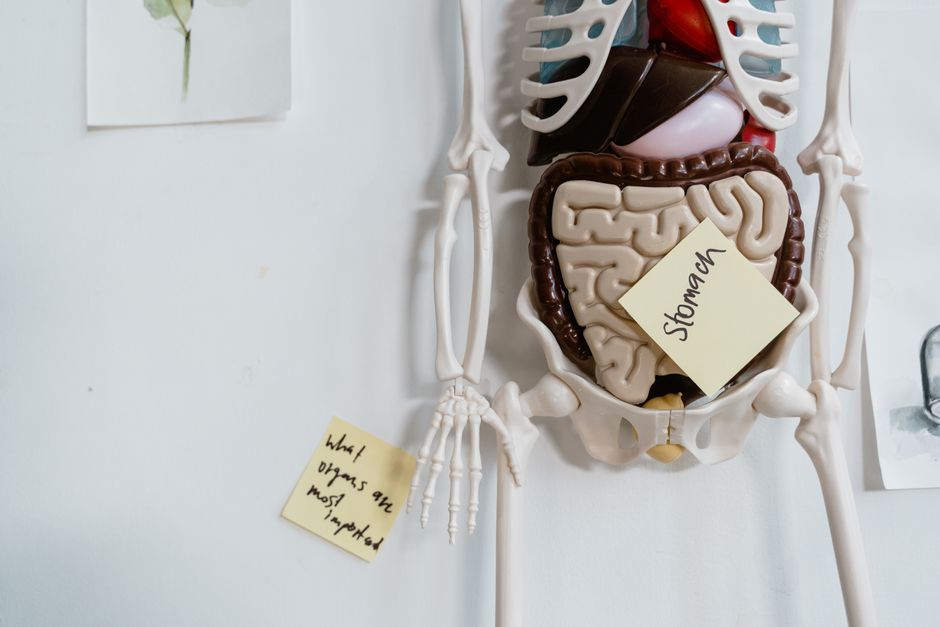
Most stomach bugs clear up on their own within 1 to 3 days. The vomiting and diarrhea usually stop within 24 to 48 hours. Some symptoms like loose stools or mild fatigue can linger for up to a week. If symptoms last longer than 3 days without improving, or if you cannot keep fluids down for more than 24 hours, it is time to call a doctor. This guide covers what is normal, what is not, and what the evidence actually says about recovery.
What Actually Causes a Stomach Bug?
The term “stomach bug” usually refers to viral gastroenteritis. It is an infection in your intestines. The most common cause in the United States is norovirus. The CDC reports that norovirus causes about 19 to 21 million cases of vomiting and diarrhea each year.
Bacterial infections like salmonella or E. coli are less common but can cause longer illness. Parasites like giardia are rarer still. Most people assume food poisoning and stomach bugs are different things. They are not always. Many foodborne illnesses are just another form of gastroenteritis caused by bacteria or the toxins they produce.
One thing that surprises many people is that the stomach flu has nothing to do with influenza. Influenza is a respiratory virus. It does not cause vomiting and diarrhea in adults. That is a common myth that leads people to think they need Tamiflu for their stomach bug. They do not.
How Long Should A Stomach Bug Last in Adults?
For healthy adults, the active phase of vomiting and diarrhea usually lasts 24 to 72 hours. The worst symptoms often hit in the first 12 to 24 hours. After that, most people feel weak and tired but can start eating bland foods again.
Some symptoms can stick around longer. Loose stools may continue for 3 to 7 days after the vomiting stops. This happens because the lining of your intestines needs time to heal. The enzymes that help digest food are temporarily damaged. That is normal. It does not mean the infection is still active.
Research published in the Journal of Infectious Diseases found that norovirus symptoms resolve within 72 hours in about 70 percent of cases. The remaining 30 percent may have symptoms that last a few days longer. If you are still vomiting or having diarrhea after 3 days with no improvement, that is outside the normal range.
How Long Does a Stomach Bug Last in Children?
Children tend to recover faster than adults, but they also dehydrate faster. Vomiting and diarrhea in children usually last 24 to 48 hours. The American Academy of Pediatrics advises that most children with viral gastroenteritis improve within this window without medical treatment.
Infants and toddlers are a different story. Their immune systems are still developing. A stomach bug in a child under 2 years old can last longer, sometimes up to 5 to 7 days. The key concern is not the duration of the virus itself but the risk of dehydration. Children lose fluids faster relative to their body weight.
Signs of dehydration in children include dry mouth, crying without tears, fewer wet diapers than usual, and unusual sleepiness. If you see these signs, call your pediatrician. Do not wait for the virus to run its course.





What the Research Says About Recovery Time
The evidence on stomach bug duration is fairly consistent across studies. A 2020 review in the New England Journal of Medicine examined viral gastroenteritis across multiple age groups. The median duration of vomiting was 24 hours. The median duration of diarrhea was 48 hours. These are the numbers clinicians use to guide patients.
Bacterial gastroenteritis tends to last longer. Salmonella infections, for example, can cause diarrhea for 4 to 7 days. Campylobacter infections can last up to 10 days. The distinction matters because bacterial infections sometimes require antibiotics. Viral infections never do.
One thing the research is clear about: taking antibiotics for a viral stomach bug does not help. It can actually make things worse by killing beneficial gut bacteria. A 2018 study in Clinical Gastroenterology and Hepatology found that antibiotic use for viral gastroenteritis was associated with longer duration of diarrhea in some patients.
What Actually Helps You Recover Faster?
The most important thing is fluid replacement. Your body loses water and electrolytes through vomiting and diarrhea. Drinking small amounts of fluid frequently works better than drinking a lot at once. If you drink too much too fast, you may trigger more vomiting.
Oral rehydration solutions like Pedialyte are the gold standard. The World Health Organization recommends them for a reason. They contain the right balance of sugar and salts that your intestines can absorb even when inflamed. Sports drinks are a poor substitute. They have too much sugar and not enough electrolytes.
Eating can wait. Do not force food if you feel nauseous. When you are ready, start with bland foods like crackers, toast, rice, or bananas. The BRAT diet (bananas, rice, applesauce, toast) is an old recommendation that still works for most people. Avoid dairy, fatty foods, and spicy foods for a few days. Your gut enzymes are low and these foods will be hard to digest.
| Cause | Typical Duration | Key Difference |
|---|---|---|
| Norovirus (viral) | 1-3 days | Most common cause in US |
| Rotavirus (viral) | 3-8 days | More common in children |
| Salmonella (bacterial) | 4-7 days | Often includes fever |
| E. coli (bacterial) | 5-10 days | Bloody diarrhea possible |
| Giardia (parasite) | 2-6 weeks | Requires specific medication |
When Should You See a Doctor?
There are clear signs that a stomach bug is not following the normal course. If you have not been able to keep fluids down for 24 hours, you need medical attention. Severe dehydration can affect kidney function and blood pressure. The CDC lists signs of severe dehydration as dark urine, dizziness when standing, rapid heart rate, and confusion.
Blood in your vomit or stool is another red flag. So is a fever above 102°F that lasts more than a day. Abdominal pain that is severe or localized to one spot is not typical of a stomach bug. That could be appendicitis or gallbladder issues.
People with weakened immune systems, pregnant women, and older adults should have a lower threshold for calling a doctor. Their bodies have less reserve to handle fluid loss. If you fall into one of these groups and have symptoms lasting more than 24 hours, a phone call to your provider is reasonable.
Common Misconceptions About Stomach Bug Recovery
One of the most persistent myths is that you need to “flush out” the infection by drinking lots of water. Drinking too much plain water can actually worsen electrolyte imbalances. It dilutes the sodium in your blood. That is why oral rehydration solutions are better than plain water.
Another myth is that vomiting means you should not eat at all for days. That is not true for most people. Once the nausea passes, eating small amounts of bland food helps your intestines heal. Starvation does not kill viruses. Your immune system does.
The idea that stomach bugs are highly contagious for weeks is also overblown. Norovirus is contagious while you have symptoms and for a few days after recovery. You are most contagious when you are actively vomiting or having diarrhea. The CDC states that people can shed the virus for up to two weeks in stool, but the risk of transmission drops significantly after symptoms stop.
What Does Not Work for Stomach Bugs
Over-the-counter anti-diarrhea medications like loperamide (Imodium) are not recommended for most stomach bugs. The American Gastroenterological Association advises against them in cases of suspected bacterial infection or when there is fever or bloody stool. Stopping diarrhea can trap the bacteria in your gut and make the infection worse.
Probiotics are widely claimed to help, but the evidence is mixed. Some studies suggest certain strains like Lactobacillus rhamnosus GG may reduce the duration of diarrhea by about one day. Other studies show no benefit. As of 2026, there is no strong recommendation from major medical organizations to take probiotics for acute gastroenteritis.
Activated charcoal is another popular internet remedy. There is no clinical evidence that it works for viral gastroenteritis. It is sometimes used in hospital settings for certain poisonings, not for stomach bugs. Taking it for a stomach bug is a waste of money at best and can interfere with medication absorption at worst.
Frequently Asked Questions
How long is a stomach bug contagious?
You are contagious from the moment symptoms start until about 48 hours after they stop. Norovirus can be shed in stool for up to two weeks after recovery.
Can a stomach bug last 5 days?
Yes, but that is longer than typical. Viral stomach bugs usually resolve in 1 to 3 days. If symptoms last 5 days, it may be bacterial or parasitic and you should see a doctor.
What is the fastest way to get rid of a stomach bug?
There is no cure that kills the virus. The fastest recovery comes from staying hydrated with oral rehydration solutions, resting, and letting your immune system do its work.
Should I take probiotics for a stomach bug?
Some studies show a modest benefit, but major medical organizations do not strongly recommend them. They are unlikely to cause harm but are not a proven treatment.
