
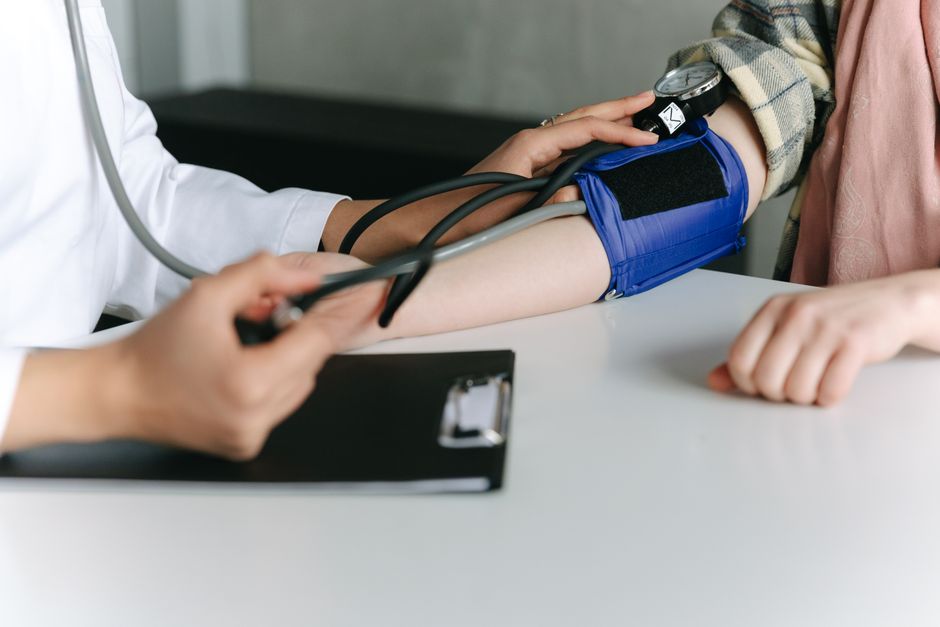
High blood pressure rarely has a single cause. For most adults, it builds over years from a mix of daily habits, genetics, and underlying health conditions. The ten causes below account for the vast majority of cases. Some are within your control. Others are not. Knowing which is which helps you talk to your doctor with better questions.
What Can Make Your Blood Pressure High 10 Causes?
The ten most common causes of high blood pressure are excess sodium, being overweight, lack of physical activity, heavy alcohol use, chronic stress, smoking, poor sleep, family history, older age, and underlying conditions like kidney disease or thyroid problems. The first seven are lifestyle factors you can change. The last three require medical management. Most people with high blood pressure have more than one cause working at the same time.
Excess Sodium and Processed Food
Sodium makes your body hold onto water. More water in your blood vessels means more pressure against the vessel walls. The average American consumes far more sodium than the body needs, and most of it comes from processed and restaurant food, not the salt shaker.
Bread, deli meat, canned soup, pizza, and fast food are common hidden sources. The body only needs a small amount of sodium to function. When you consistently take in more, your kidneys struggle to keep up, and blood pressure climbs. Some people are more salt-sensitive than others, but reducing sodium helps most people lower their numbers to some degree.
Potassium works against sodium. Foods like bananas, potatoes, spinach, and beans help your kidneys flush out excess sodium. The balance between these two minerals matters more than sodium alone.
Being Overweight or Obese
Extra body weight forces your heart to work harder. Every pound of fat requires blood vessels to feed it, which means your heart must pump blood through more miles of tubing. Your blood pressure rises to push that blood around.
Fat tissue also releases inflammatory substances that make blood vessels stiffer. Stiffer vessels resist blood flow, so pressure builds. The connection is strong enough that weight loss is one of the most reliable non-drug ways to lower blood pressure. Losing even a modest amount of weight often produces measurable improvement.
Where you carry the weight matters too. Fat around the abdomen, sometimes called belly fat, is more metabolically active and raises blood pressure more than fat stored in the hips and thighs.


Physical Inactivity
Regular physical activity keeps blood vessels flexible. When you exercise, your blood vessels widen to deliver more oxygen to working muscles. Over time, this trains your vessels to stay more relaxed at rest.
A sedentary lifestyle does the opposite. Blood vessels become stiffer, and the heart has to pump against more resistance. You do not need to run a marathon to see benefits. Brisk walking, swimming, cycling, or any activity that raises your heart rate for about 30 minutes most days of the week is enough for many people.
The effect is not permanent. If you stop exercising, the benefit fades within weeks. Consistency matters more than intensity.
Heavy Alcohol Consumption
Alcohol raises blood pressure in several ways. It activates your sympathetic nervous system, which is the fight-or-flight system. That sends stress hormones through your body, making your heart beat faster and your vessels narrow.
Alcohol also interferes with medications used to treat high blood pressure, making them less effective. Heavy drinking, typically defined as more than one drink a day for women or two for men, is clearly linked to higher blood pressure. Cutting back or stopping often lowers readings within a few weeks.
Some research suggests very light drinking may not harm blood pressure, but no one should start drinking alcohol to protect their heart. The evidence for harm outweighs any theoretical benefit.
Chronic Stress
Stress itself does not cause permanent high blood pressure, but it can push your numbers up significantly in the moment. When you are stressed, your body releases cortisol and adrenaline. These hormones make your heart beat faster and narrow your blood vessels to prepare for a perceived threat.
If stress is constant, those temporary spikes become frequent. Frequent spikes can damage blood vessel walls over time, making them more prone to stiffness. Stress also drives behaviors that raise blood pressure, like overeating, drinking more alcohol, smoking, and skipping exercise.
Managing stress does not mean eliminating it from your life. It means building regular recovery time. Deep breathing, walking, talking to a friend, or any activity that genuinely calms you down can blunt the physical effects.
Smoking and Vaping
Nicotine is a powerful blood vessel constrictor. Every cigarette, vape puff, or piece of chewing tobacco causes an immediate spike in blood pressure. The effect lasts for about 30 minutes after you finish.
Smoking also damages the inner lining of your blood vessels. Damaged vessels collect plaque more easily, which narrows them further. Over years, this combination of temporary spikes and permanent damage pushes resting blood pressure upward.
Quitting smoking lowers blood pressure relatively quickly. Within weeks of stopping, your heart rate and blood pressure begin to drop. The long-term damage to vessel walls takes longer to heal, but it does improve with time.
Poor Sleep and Sleep Apnea
During deep sleep, your blood pressure naturally drops. This gives your heart and blood vessels a nightly rest period. If you do not get enough deep sleep, your blood pressure stays higher for more hours of the day.
Obstructive sleep apnea is a more serious problem. In this condition, your throat muscles relax during sleep and block your airway. You stop breathing for seconds at a time, sometimes dozens of times per hour. Each pause drops your blood oxygen level, which triggers a stress response that spikes your blood pressure.
Treating sleep apnea with a CPAP machine often lowers blood pressure significantly. If you snore loudly, wake up gasping, or feel exhausted despite sleeping eight hours, ask your doctor about a sleep study.
Family History and Genetics
High blood pressure runs in families. If your parents or siblings have it, your risk is higher. Researchers have identified dozens of genes that influence blood pressure regulation, from how your kidneys handle sodium to how your blood vessels respond to hormones.
Genetics do not guarantee you will develop high blood pressure. They set the baseline risk. Lifestyle factors then push you above or below that baseline. Someone with strong family history can still keep normal blood pressure with careful habits. Someone with no family history can still develop it through poor lifestyle choices.
Knowing your family history matters because it tells you how often to check your blood pressure. If high blood pressure runs in your family, annual checks starting in your thirties are reasonable.
Age-Related Changes
Blood vessels naturally stiffen with age. The elastic fibers in vessel walls break down over decades, and calcium deposits can build up. Stiffer vessels cannot expand to absorb the force of each heartbeat, so pressure rises.
This is why blood pressure guidelines treat older adults differently. A reading that is normal at age 30 may be elevated at age 70. The systolic number, the top one, tends to rise steadily with age while the diastolic number, the bottom one, often levels off or even drops.
Age is not a reason to accept high blood pressure as inevitable. Many people in their seventies and eighties maintain healthy readings through diet, exercise, and medication. But the vessel changes are real, and they are a major reason blood pressure becomes more common with each decade.
Underlying Medical Conditions
Several medical conditions directly raise blood pressure. Kidney disease is one of the most important because the kidneys regulate fluid balance and produce hormones that control vessel width. When kidney function declines, blood pressure rises.
Thyroid disorders can also drive blood pressure up. An overactive thyroid speeds up your heart rate and increases the force of each beat. Adrenal gland tumors, though rare, flood the body with blood pressure-raising hormones.
Diabetes damages blood vessels and makes them less flexible. This is why blood pressure and diabetes are so often diagnosed together. If your blood pressure stays high despite healthy lifestyle habits, your doctor should check for these underlying conditions.
Medications and Supplements That Raise Blood Pressure
Some common products raise blood pressure without you realizing it. Nonsteroidal anti-inflammatory drugs like ibuprofen and naproxen can raise blood pressure, especially when taken regularly. Decongestants narrow blood vessels to relieve nasal congestion, which also raises pressure.
Certain supplements can have the same effect. Some herbal weight loss products contain stimulants that raise heart rate. Licorice root can cause the body to retain sodium and lose potassium. Birth control pills raise blood pressure in some women.
Review every medication and supplement you take with your doctor or pharmacist. This includes over-the-counter products. You cannot assume something is safe for blood pressure just because you can buy it without a prescription.
Frequently Asked Questions
Can high blood pressure be reversed without medication?
Many people can lower their blood pressure into a normal range with lifestyle changes alone. This is most likely when blood pressure is only mildly elevated and no organ damage has occurred.
How quickly does weight loss lower blood pressure?
Blood pressure can begin to drop within weeks of losing weight. The effect continues as weight loss continues, with every modest reduction in weight producing measurable improvement.
Is salt or sugar worse for blood pressure?
Excess sodium directly raises blood pressure through fluid retention. Excess sugar contributes indirectly by promoting weight gain and insulin resistance, which also raise blood pressure.
What is a normal blood pressure reading?
Normal blood pressure is below 120/80 mm Hg. Readings of 130/80 or higher are classified as hypertension and should be discussed with a doctor.
