
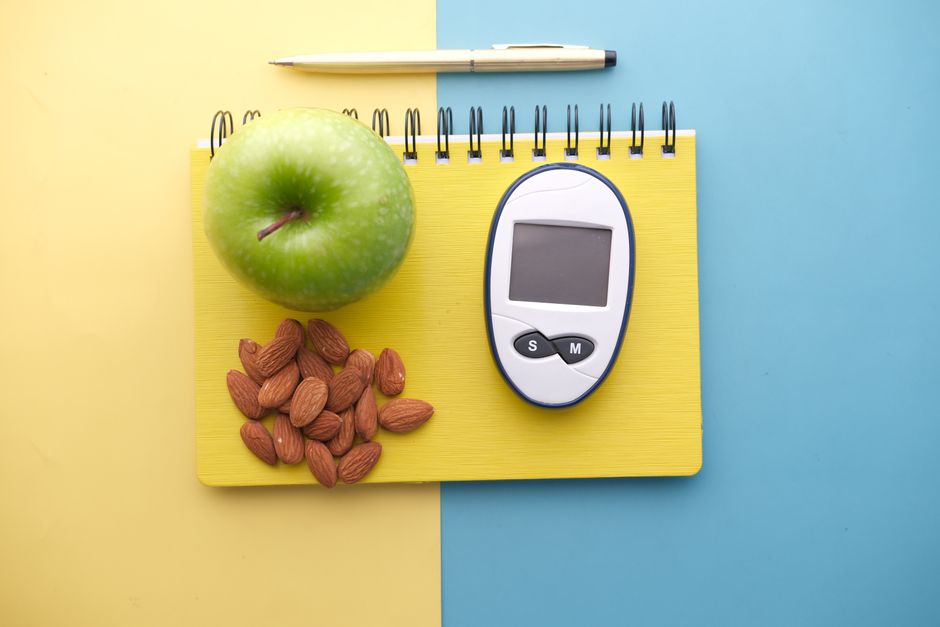
Low blood sugar, or hypoglycemia, happens when glucose in your blood drops below what your body needs to function well. For most people with diabetes, that means below 70 mg/dL, though the exact threshold can vary. The fastest way to raise low blood sugar is glucose — found in table sugar, fruit juice, regular soda, or glucose tablets. For a mild drop, eating 15 grams of fast-acting carbohydrate and rechecking after 15 minutes is the standard approach clinicians use. If you have diabetes and use insulin or certain medications, this is the routine you have likely been taught.
But food also plays a longer game. Once your blood sugar is back in range, what you eat next helps keep it steady. That is where slower-digesting carbohydrates, protein, and fat come in.
What Counts as Low Blood Sugar?
Hypoglycemia is generally defined as blood glucose below 70 mg/dL. Symptoms often start around that level and include shakiness, sweating, hunger, irritability, a fast heartbeat, and trouble concentrating. More severe drops can cause confusion, slurred speech, or loss of consciousness.
Not everyone who feels shaky has hypoglycemia. The symptoms overlap with anxiety, dehydration, and skipping meals. The only way to know for sure is to check your blood sugar with a meter or continuous glucose monitor if you have one.
There is an important distinction here. Hypoglycemia is mainly a concern for people who take insulin or certain diabetes medications called sulfonylureas. For people without diabetes, true hypoglycemia is uncommon. It can occur with prolonged fasting, heavy alcohol use, some medical conditions, and rarely after certain types of stomach surgery. If you do not have diabetes and you keep having low blood sugar symptoms, that is worth a conversation with a doctor rather than self-treatment with food alone.
What Is the Fastest Food to Raise Blood Sugar?
Pure glucose works fastest. It does not need to be broken down before your body absorbs it. That is why glucose tablets are the go-to for many clinicians and diabetes educators.
If you do not have glucose tablets, the following foods work quickly because they are high in simple sugar and low in fat and protein, which slow absorption:
- 4 ounces (about half a cup) of fruit juice or regular soda
- 1 tablespoon of sugar or honey
- 1 tablespoon of jam or jelly
- 4 to 5 hard candies that you chew
- 3 to 4 glucose tablets
Each of these provides roughly 15 grams of carbohydrate. The 15-15 rule — eat 15 grams, wait 15 minutes, recheck — is standard guidance from diabetes organizations. If your blood sugar is still below 70 mg/dL after 15 minutes, repeat.
One thing people often get wrong: chocolate is not a good choice for treating a low. The fat in chocolate slows sugar absorption, so it takes longer to work. It also is easy to overeat when you feel shaky, which can send you too high later.
What Can I Eat For Low Blood Sugar Foods That Help Beyond the Quick Fix?
Once your blood sugar is back above 70 mg/dL, the goal shifts. You want to prevent it from dropping again. This is where a snack or meal with protein, fat, and fiber helps.
These nutrients slow digestion and blunt the spike-and-crash pattern that can follow a fast-acting sugar. Good options include:
- Whole-grain crackers with peanut butter or cheese
- Greek yogurt with a few nuts
- A hard-boiled egg with a slice of whole-grain toast
- Apple slices with almond butter
- Cottage cheese with berries
None of these will fix a low blood sugar quickly on their own. Their job is to keep you steady afterward, not to rescue you in the moment.




Do Certain Foods Prevent Low Blood Sugar?
No single food prevents hypoglycemia. What matters more is the pattern of how you eat.
Eating regular meals and not skipping snacks — especially if you take insulin or a sulfonylurea — is one of the most reliable ways to reduce the chance of a low. For many people on these medications, a snack before bed or before exercise helps.
Foods that digest slowly tend to support steadier blood sugar. These include:
- Whole grains like oats, barley, and brown rice
- Beans and lentils
- Nuts and seeds
- Non-starchy vegetables
- Protein from eggs, fish, poultry, and lean meat
This does not mean these foods treat a low. It means they are part of the background that keeps your levels more stable across the day. The evidence for specific foods preventing hypoglycemia in people with diabetes is limited; the stronger evidence is for consistent meal timing and matching insulin to carbohydrate intake.
What About Alcohol and Low Blood Sugar?
Alcohol can lower blood sugar, sometimes hours after you drink. The liver normally releases stored glucose to keep your levels steady, but it prioritizes processing alcohol instead. This effect can last for many hours, including overnight.
This matters most for people on insulin or sulfonylureas. Drinking on an empty stomach raises the risk further. If you drink, eating food at the same time helps. Checking blood sugar before bed after drinking is a reasonable precaution many clinicians recommend.
Alcohol is not a treatment for low blood sugar, and it can make a low harder to recognize because the symptoms — slurred speech, confusion, drowsiness — overlap.
When Is Food Not Enough?
If a person cannot swallow safely or is unconscious, food and drink are dangerous. Nothing should go in the mouth in that situation because of choking risk.
This is when glucagon is used. Glucagon is a hormone that tells the liver to release glucose. It comes as an injection or a nasal spray, both available by prescription. If you or someone you care for is at risk of severe lows, having glucagon on hand and knowing how to use it is part of standard care.
Severe hypoglycemia is a medical emergency. Call 911 if someone is unconscious or having a seizure.
Does the Type of Carbohydrate Matter?
For treating an active low, no. Fast sugar is fast sugar. The differences between juice, soda, and glucose tablets are small when you need to bring levels up quickly.
For day-to-day eating, the type of carbohydrate matters more. Foods with a lower glycemic index raise blood sugar more slowly. Examples include most fruits, legumes, and whole grains. Foods with a higher glycemic index, like white bread and sugary drinks, raise it faster.
That said, glycemic index is a rough tool. Individual responses vary based on the food, how it is cooked, what else you eat with it, and your own body. It is a guide, not a rule.
What If You Do Not Have Diabetes?
For people without diabetes, low blood sugar is uncommon, and treating it with food is usually not the right approach. If you feel shaky or lightheaded, the cause is more often something else — skipped meals, dehydration, anxiety, or a medication side effect.
Repeated episodes of low blood sugar without diabetes need medical evaluation. There are real conditions that cause it, but they are not common, and they need proper testing rather than guessing based on how you feel.
Frequently Asked Questions
What food raises blood sugar the fastest?
Glucose tablets or a sugary drink like fruit juice or regular soda raise blood sugar fastest because they contain simple sugar that absorbs quickly. About 15 grams is the standard starting amount.
How long does it take for food to raise blood sugar?
Fast-acting carbohydrates usually raise blood sugar within 10 to 15 minutes. This is why the 15-15 rule has you recheck after 15 minutes before eating more.
Is peanut butter good for low blood sugar?
Not for treating an active low. The fat and protein in peanut butter slow sugar absorption, so it works too slowly on its own. It is useful afterward to help keep levels steady.
Can I treat low blood sugar with chocolate?
No, chocolate is a poor choice for a low. Its fat content slows sugar absorption, so it takes longer to work than juice, glucose tablets, or candy without fat.
