
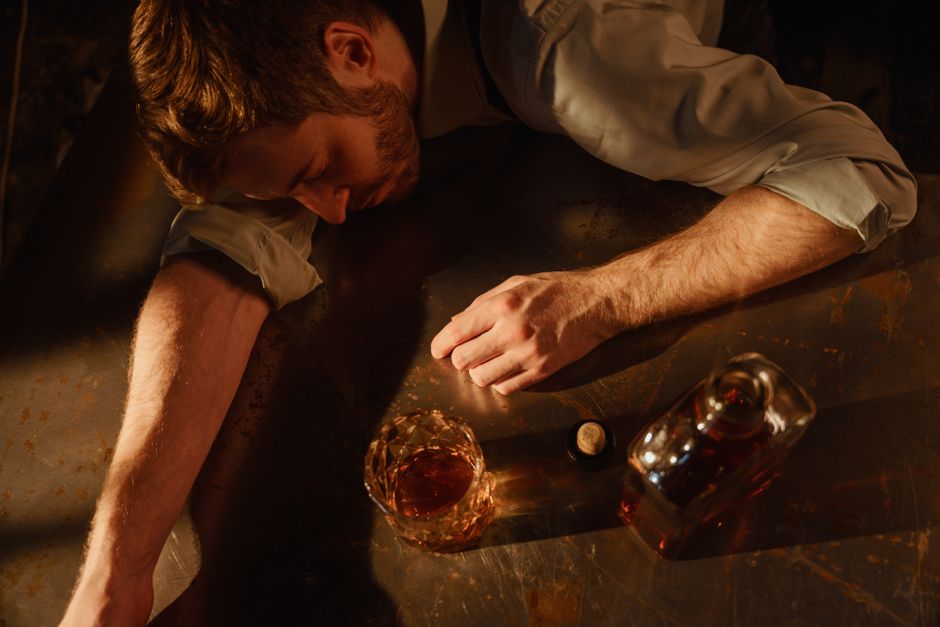
Alcohol does more than make you feel groggy the morning after. It changes how you sleep, disrupts your blood sugar, and throws off the hormones that regulate hunger and hydration. Those effects overlap, which is why a hangover can feel like exhaustion, shakiness, and brain fog all at once.
The tiredness you feel is not just from a late night. Alcohol fragments sleep, reduces the restorative stages, and forces your body to process a toxin while it is also trying to regulate blood sugar and fluid balance. The result is a body running on poor fuel and poor rest at the same time.
Why Do Hangovers Make You Tired Sleep Blood Sugar More?
Alcohol disrupts sleep architecture and blood sugar regulation at the same time, and the two problems feed each other. You wake up tired because your brain never completed normal sleep cycles. You feel shaky or drained because your blood sugar dipped overnight and your body struggled to correct it.
Most people think of a hangover as dehydration plus a headache. That is part of it, but the bigger story is metabolic and neurological. Alcohol is a central nervous system depressant. It also blocks the liver from making new glucose. During sleep, when your body normally relies on that glucose production to keep blood sugar steady, alcohol removes a key backup system.
So the morning-after fatigue is not one problem. It is at least three overlapping ones: broken sleep, unstable blood sugar, and the direct toxic effects of acetaldehyde, the compound your body makes when it breaks down alcohol.
How Does Alcohol Affect Sleep Quality?
Alcohol helps you fall asleep faster. That part is real. But it changes the quality of sleep in ways that leave you unrested even after a full night in bed.
Sleep happens in cycles, moving through lighter stages and into deep sleep and REM sleep. Alcohol tends to increase the time spent in the lighter stages early in the night and suppress REM sleep. As the alcohol wears off, there is often a rebound effect. You may wake up more frequently, sleep more lightly, and spend less time in the deep stages that restore the body.
This is why people who drink heavily often report sleeping poorly even when they sleep long. The quantity of sleep is there. The quality is not.
There is also a direct effect on breathing. Alcohol relaxes the muscles in the throat, which can worsen snoring and may make sleep apnea more likely in people who are already prone to it. That further fragments sleep and lowers blood oxygen overnight.
One non-obvious point: the sleep disruption from alcohol can persist even after you stop feeling drunk. The body keeps metabolizing alcohol for hours. So the second half of the night is often the worst part for sleep quality.
What Does Alcohol Do to Blood Sugar Overnight?
The liver normally releases glucose into the blood between meals, especially during sleep. This keeps your blood sugar from dropping too low when you have not eaten for hours. Alcohol blocks that process.
When you drink, the liver prioritizes breaking down alcohol over making glucose. That means during the night, when your body would normally tap into its glucose reserves, those reserves are not being replenished the way they should be. Blood sugar can fall.
For most healthy people, the body has other ways to compensate, and the drop is mild. But for people with diabetes, especially those using insulin or certain medications, this can lead to a genuine low blood sugar episode overnight. That is a real safety concern and one reason clinical guidance tells people with diabetes to be careful with alcohol and to monitor blood sugar.
In people without diabetes, the effect is usually milder but still noticeable. The combination of a blood sugar dip, poor sleep, and the aftereffects of alcohol metabolism can produce that shaky, drained, hungry feeling the next morning.
Alcohol also affects the hormones that manage appetite and fullness. Some research suggests it can increase hunger signals and reduce satiety signals, which is part of why people often crave heavy food the next day.




Why Does a Hangover Feel Like Both Exhaustion and Shakiness?
The shakiness and the exhaustion come from different systems, but they overlap in how they feel.
- Sleep debt: Fragmented sleep and reduced deep sleep leave the brain under-rested.
- Low blood sugar: The liver’s reduced glucose output can leave you feeling weak or jittery.
- Acetaldehyde: This breakdown product of alcohol is toxic and contributes to headache, nausea, and fatigue.
- Dehydration: Alcohol increases urine output, which can lead to fluid loss and electrolyte imbalance.
- Inflammation: Alcohol triggers an immune response that can add to the overall unwell feeling.
These are not separate problems happening in isolation. They reinforce each other. Poor sleep makes blood sugar regulation harder. Low blood sugar makes you feel more tired. Dehydration worsens the headache and the fog.
This is also why a hangover is not simply “dehydration.” Drinking water helps, but it does not fix the sleep disruption or the metabolic effects.
Does the Type of Alcohol or How Much You Drink Matter?
How much you drink matters more than what you drink. More alcohol generally means more disruption to sleep and blood sugar. But the type of drink can affect how you feel, mostly through compounds called congeners.
Congeners are substances produced during fermentation. Darker drinks like whiskey, red wine, and dark rum tend to contain more of them than clear drinks like vodka or gin. Some studies suggest that higher congener content is linked to more severe hangovers, though the evidence is not entirely consistent.
What is well established is that the total amount of alcohol is the biggest factor. Drinking on an empty stomach also makes blood sugar effects worse, because there is less food to slow alcohol absorption and provide a glucose buffer.
No drink is hangover-free. Hydration and food can reduce severity, but they do not eliminate the underlying effects on sleep and metabolism.
Can You Prevent the Tiredness and Blood Sugar Drop?
There is no way to make a hangover disappear, but some steps can reduce how bad it gets. The evidence for most hangover remedies is weak, so it is worth being honest about what actually helps.
Eating before and while drinking helps. Food slows alcohol absorption and gives the liver something to work with. Meals that include protein, fat, and complex carbohydrates tend to be more helpful than sugary snacks alone.
Staying hydrated matters, but it does not prevent the sleep or blood sugar effects. Alternating alcoholic drinks with water can reduce total alcohol intake, which is the most reliable way to reduce hangover severity.
For people with diabetes, the guidance is more serious. Clinical guidance generally advises checking blood sugar more often when drinking, eating something with carbohydrates, and being aware that low blood sugar can occur hours after drinking, including during sleep. Anyone using insulin should talk with their clinician about how to manage alcohol safely. No general dosing or timing rules apply to everyone, because the right approach depends on individual medications and health status.
Things that do not have strong evidence behind them include most over-the-counter hangover pills, IV drips marketed for hangovers, and “detox” supplements. Some may ease symptoms like headache or nausea, but none have been shown to reverse the sleep and metabolic effects.
The only reliable prevention is drinking less, or not at all. That is not a satisfying answer, but it is the accurate one.
When Should You Be Concerned About Hangover Symptoms?
Most hangovers resolve on their own within a day. But some symptoms warrant medical attention.
Seek care if you have confusion, severe vomiting, seizures, slow or irregular breathing, or you cannot stay awake. These can be signs of alcohol poisoning, which is a medical emergency.
If you have diabetes and experience symptoms of low blood sugar that do not improve after eating, treat it as urgent. Symptoms can include shakiness, sweating, confusion, and a rapid heartbeat.
Frequent hangovers can also be a sign that drinking has become a pattern worth examining. That is a conversation worth having with a doctor, without judgment.
Frequently Asked Questions
Why am I so tired the day after drinking?
Alcohol fragments sleep and reduces the deep, restorative stages, so you wake up under-rested even after a full night in bed. It also disrupts overnight blood sugar regulation, which adds to the drained feeling.
Does alcohol lower blood sugar while you sleep?
Yes. Alcohol blocks the liver from releasing glucose, which is the main way your body keeps blood sugar steady overnight. This can cause a meaningful drop, especially in people with diabetes.
Does drinking water prevent a hangover?
Hydration helps with headache and thirst but does not fix the sleep disruption or blood sugar effects. Reducing how much you drink is the most reliable way to lower hangover severity.
Are hangover pills or IV drips effective?
No strong evidence shows they reverse the sleep and metabolic effects of alcohol. Some may ease individual symptoms like headache, but they do not prevent a hangover.
