

Yes, hydrochlorothiazide can raise blood sugar. This is a well-documented effect of thiazide diuretics, the drug class that includes hydrochlorothiazide (often called HCTZ). The rise is usually modest, but it matters for people with diabetes or those at risk of developing it.
Hydrochlorothiazide is one of the most prescribed blood pressure medicines in the United States. It is cheap, effective, and backed by decades of use. It is also known to affect glucose metabolism in some people. Understanding how and when this happens helps you have a more useful conversation with your doctor.
Does Hydrochlorothiazide Raise Blood Sugar?
Hydrochlorothiazide can increase blood glucose, and the effect is recognized in clinical practice and described in drug labeling. It is not a rare reaction. It is an expected pharmacological effect that appears in some people who take the drug.
The size of the rise varies. Many people see small changes that stay within normal range. Others, particularly those who already have diabetes or are close to developing it, may see a rise that matters. The effect tends to be modest at the lower doses commonly used for blood pressure.
Two things are worth separating. First, HCTZ can push blood sugar up modestly in people whose glucose was already normal. Second, it can make glucose control harder in people who already have diabetes. Both are real. Neither means the drug is dangerous for everyone who takes it.
How Does Hydrochlorothiazide Affect Blood Glucose?
Thiazide diuretics lower blood pressure by helping the kidneys excrete sodium and water. That same action appears to influence how the body handles glucose. The exact mechanism is not fully settled, but several pathways are well described.
HCTZ can reduce insulin secretion from the pancreas. Insulin is the hormone that moves glucose out of the blood and into cells. Less insulin release means glucose can linger in the bloodstream longer after a meal.
The drug also appears to affect insulin sensitivity, meaning cells respond less readily to insulin’s signal. And thiazides can lower potassium levels, which may contribute to impaired insulin release. Low potassium is a known side effect of thiazide diuretics, and correcting it can sometimes improve glucose control.
One clarification worth knowing: this is a class effect. Other thiazide-type diuretics, such as chlorthalidone, share it. It is not unique to HCTZ.
How Much Can Blood Sugar Rise on HCTZ?
The rise is generally small at the doses used for blood pressure. Most clinical concern centers on higher doses and on people who already have impaired glucose regulation.
Rather than quote a single number that may not apply to you, the honest position is this: the effect is dose-related and varies by person. Lower doses tend to produce smaller changes. Higher doses tend to produce larger ones. Your own response is best measured with a blood test rather than predicted from an average.
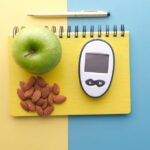
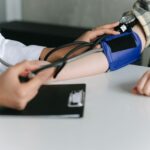
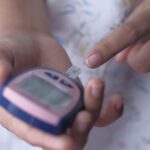
This is why clinicians often check glucose and potassium levels after starting or adjusting a thiazide. A fasting glucose test or an A1C gives a clearer picture than guessing. If you monitor your own blood sugar at home, you may notice the change sooner than a lab test would show it.


Does HCTZ Cause Diabetes?
Hydrochlorothiazide is associated with a higher risk of new-onset diabetes in some long-term studies. The evidence indicates an increased risk, though the absolute increase for any one person is generally small. The risk appears greater with higher doses and with longer use.
This does not mean everyone who takes HCTZ will develop diabetes. Most people who take it do not. Risk depends on factors like body weight, family history, age, and baseline glucose. The drug is one contributor among many, not a sole cause.
For people already at high risk of diabetes, this is a legitimate consideration when choosing a blood pressure medicine. It is one factor among several, not an automatic reason to avoid the drug. Blood pressure control itself matters a great deal for long-term health, and untreated high blood pressure carries serious risks of its own.
Who Should Be Careful About Blood Sugar on HCTZ?
People with existing diabetes warrant closer attention. HCTZ can make glucose harder to control, which may require adjusting diabetes medication or monitoring more often. This is a conversation to have with your doctor, not a reason to stop the drug on your own.
People with prediabetes are another group where the effect deserves attention. If your glucose is already borderline, a drug that nudges it higher is worth discussing. People with a strong family history of diabetes or those carrying extra weight may also want to raise the question.
Older adults can be more sensitive to electrolyte changes from thiazides, including low potassium and low sodium. Those changes can affect how the body handles glucose and how a person feels overall. Regular monitoring matters more in this group.
What Are the Alternatives to HCTZ?
Several other blood pressure medicines do not carry the same glucose-raising effect. Some may even be neutral or slightly favorable for blood sugar. The choice depends on your overall health, other conditions, and what your doctor thinks fits best.
- ACE inhibitors and ARBs are often used in people with diabetes and generally do not raise blood sugar.
- Calcium channel blockers are another option and are generally glucose-neutral.
- Thiazide-like diuretics such as chlorthalidone share the glucose effect but are sometimes preferred for other reasons.
- Lifestyle changes remain foundational for both blood pressure and blood sugar.
Switching medicines is not automatically the right move. HCTZ is effective, inexpensive, and well studied. For many people, the benefit of good blood pressure control outweighs a modest glucose change. The decision is individual and belongs with your clinician.
What Should You Do If You Take HCTZ?
Do not stop taking hydrochlorothiazide on your own. Stopping a blood pressure medicine suddenly can cause blood pressure to rise, and that carries its own risks. Any change should go through your doctor.
Ask whether your glucose and potassium have been checked recently. If you have diabetes, ask whether your diabetes management needs adjusting. If you monitor blood sugar at home, keep notes so you and your doctor can see any pattern.
Report symptoms that could signal a problem, such as unusual thirst, frequent urination, fatigue, or muscle cramps. These can be signs of high blood sugar or low potassium. They are worth mentioning rather than ignoring.
The bigger picture is balance. HCTZ lowers blood pressure, which protects the heart, brain, and kidneys over time. Its effect on blood sugar is real but usually modest. Weighing both sides with your doctor is the sensible path.
Frequently Asked Questions
Does hydrochlorothiazide raise blood sugar?
Yes, hydrochlorothiazide can raise blood sugar, and this is a recognized effect of thiazide diuretics. The rise is usually modest but can matter more for people with diabetes or prediabetes.
How much does HCTZ raise blood sugar?
The rise is generally small at the doses used for blood pressure, but it varies by person and by dose. Your own response is best checked with a blood test rather than predicted from an average.
Can hydrochlorothiazide cause diabetes?
Long-term studies associate HCTZ with a higher risk of new-onset diabetes in some people. The absolute increase for any one person is generally small and depends on other risk factors.
Should I stop taking HCTZ if my blood sugar rises?
No, do not stop it on your own because sudden changes in blood pressure medicine can be risky. Talk to your doctor about monitoring, dose changes, or alternatives.
