
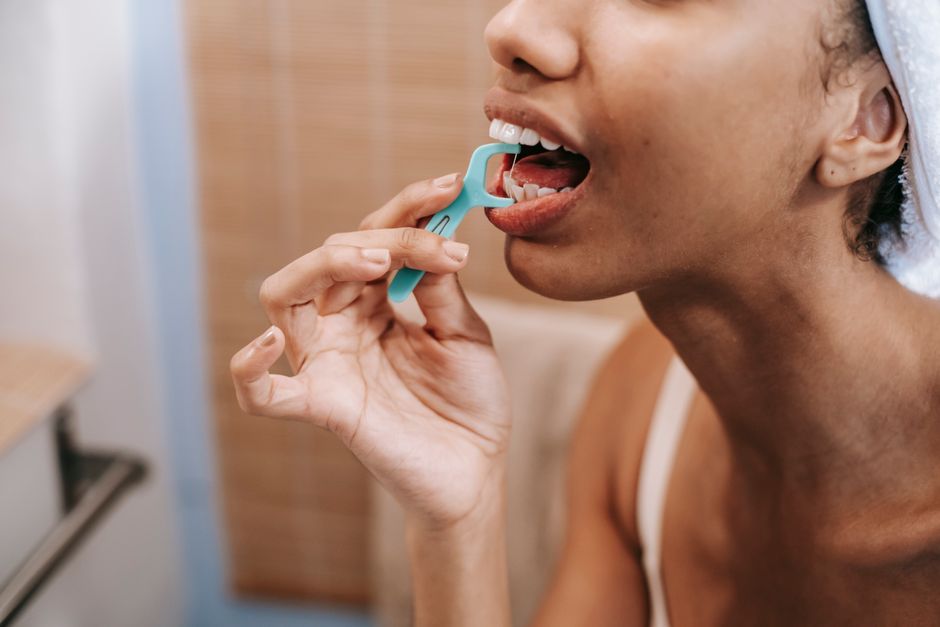
A dental cleaning removes plaque and tartar that brushing alone cannot reach. It leaves your mouth feeling fresh, but it can also leave your teeth and gums temporarily sensitive. The right food choices in the hours after your appointment can make a real difference in your comfort.
After a professional cleaning, stick to soft, lukewarm foods that do not require much chewing. Think mashed potatoes, yogurt, scrambled eggs, and smoothies. Avoid anything crunchy, spicy, acidic, or very hot for at least 24 hours. This gives your gums time to settle and reduces the chance of pain or irritation.
Why Does My Mouth Feel Sensitive After a Cleaning?
Your teeth and gums have been through a thorough procedure. The hygienist uses metal instruments and an ultrasonic scaler to scrape away hard deposits. This process can temporarily irritate the gum tissue and expose areas of the tooth that are normally covered.
This sensitivity is usually short-lived. Most people notice it fades within a few hours to a day. The key is to avoid anything that adds more stress to those tender areas while they recover.
Your gums may also feel sore because the cleaning removed bacteria and inflammation that were hiding below the gumline. That is a good thing long-term. In the short term, it means your gum tissue needs a break from hard or abrasive foods.
What Can I Eat After a Teeth Cleaning?
The safest choices are soft foods that are easy to chew and gentle on your gums. Here is a list of foods that are generally well tolerated after a cleaning:
- Mashed potatoes — soft, filling, and easy to eat without much chewing.
- Yogurt — smooth and cool, which can soothe irritated gums.
- Scrambled eggs — soft and packed with protein.
- Smoothies — blend fruits and vegetables into a drinkable meal.
- Oatmeal — warm (not hot) and soft.
- Soup — broth-based or creamy soups that are lukewarm, not steaming.
- Applesauce — soft and easy to swallow.
- Pasta — well-cooked noodles are soft enough to eat comfortably.
- Soft bread — avoid crusty loaves or hard rolls.
- Bananas — naturally soft and easy to mash with your tongue.
These foods do not require aggressive chewing. They also do not have sharp edges or hard textures that could poke or scrape your gums.
What Foods Should I Avoid After a Cleaning?
Some foods can make sensitivity worse or irritate your gums. It is best to avoid these for at least 24 hours after your appointment:
- Crunchy snacks — chips, pretzels, popcorn, and nuts can scratch tender gums.
- Hard foods — raw carrots, apples, and hard candies require forceful biting.
- Spicy foods — hot peppers and spicy sauces can inflame already-irritated tissue.
- Acidic foods and drinks — citrus fruits, tomatoes, soda, and vinegar-based dressings can sting.
- Very hot foods and drinks — hot coffee, tea, or soup can increase sensitivity.
- Alcohol — alcoholic beverages can irritate the gums and slow healing.
- Sticky foods — caramel, taffy, and chewy candies can pull at gum tissue.
If your gums are bleeding or feel raw, treat them like any other healing wound. You would not rub a cut with a rough towel. The same logic applies to your gums after a cleaning.




How Long Should I Wait to Eat After a Cleaning?
Most dentists recommend waiting at least 30 minutes after your cleaning before eating. This gives the fluoride treatment time to absorb into your tooth enamel. If you had a fluoride varnish applied, you may need to wait longer. Your dental office will tell you exactly when you can eat and drink.
The fluoride used during cleanings strengthens enamel and helps reduce sensitivity. Eating too soon can wash it away before it has a chance to work. When you do eat, choose lukewarm foods rather than hot or cold ones.
If you received a local anesthetic for a deep cleaning, wait until the numbness wears off before eating. You could accidentally bite your cheek, lip, or tongue without feeling it. This is a common injury that is easily avoided with a little patience.
What Can I Drink After a Teeth Cleaning?
Water is always the best choice. It rinses your mouth, keeps you hydrated, and does not irritate your gums. Room-temperature water is gentler than ice-cold water if your teeth feel sensitive.
Milk and plain dairy products are also fine. They are soft, cool, and contain calcium. Avoid adding sugar or acidic flavorings.
Stay away from carbonated drinks, sports drinks, and fruit juices for the first day. The carbonation and acids can cause stinging and increase sensitivity. Coffee and tea are fine once they cool down, but be careful with the temperature.
How Long Does Sensitivity Last After a Cleaning?
For most people, sensitivity peaks within the first few hours and fades within a day. Some people feel fine immediately after the appointment. Others experience mild discomfort for up to a week, especially if they had a deep cleaning or have receding gums.
If your teeth remain very sensitive for more than a week, contact your dental office. This is not typical after a routine cleaning and may indicate an underlying issue like tooth decay, a cracked tooth, or gum disease that needs further treatment.
Using toothpaste designed for sensitive teeth can help during this period. These toothpastes contain compounds that block the tiny tubes in your dentin that transmit pain signals to the nerve. However, do not switch permanently without checking with your dentist first.
Can I Brush My Teeth Normally After a Cleaning?
Yes. You should brush and floss as usual after a cleaning. In fact, this is the best time to establish a consistent routine since your teeth are freshly polished.
Be gentle around the gumline for the first day or two. Use a soft-bristled toothbrush and avoid aggressive scrubbing. Your gums may be tender, and brushing too hard can cause them to bleed or recede further.
Flossing is still important, but be careful not to snap the floss against your gums. Slide it gently between your teeth and curve it around each tooth in a C-shape. This cleans effectively without injuring the tissue.
When Can I Return to My Normal Diet?
Most people can return to their regular diet within 24 to 48 hours. By then, the initial irritation has usually subsided. If you feel no sensitivity, you can gradually reintroduce firmer foods.
Start with softer versions of your normal meals. For example, choose cooked vegetables instead of raw ones. Cut meat into smaller pieces. Avoid anything that causes pain or discomfort.
If you have a history of gum disease or received a deep cleaning, your recovery may take longer. Follow the specific instructions your dental hygienist or dentist gave you. They know your individual situation best.
Does What I Eat Affect How Long the Cleaning Lasts?
Your diet after a cleaning does not directly affect how long the cleaning results last. But your diet overall does affect your oral health. Sugary and acidic foods promote plaque buildup and tooth decay. A balanced diet supports healthy teeth and gums.
The cleaning itself removes the hardened deposits. What you eat afterward will not make plaque come back faster. But eating well consistently helps prevent new plaque from forming and keeps your gums healthy between visits.
Your next cleaning will be easier if you maintain good oral hygiene and a sensible diet. This means brushing twice a day, flossing daily, and limiting sugary snacks and beverages.
Frequently Asked Questions
Can I eat chips after a teeth cleaning?
No, it is best to avoid chips for at least 24 hours. They are crunchy and can scratch or irritate your tender gums.
Can I drink coffee after a teeth cleaning?
Yes, but wait until it has cooled down to lukewarm. Very hot coffee can increase sensitivity and discomfort.
Can I eat pizza after a teeth cleaning?
It depends on the crust. Soft, cheesy pizza is usually fine, but avoid crispy or hard crusts that require aggressive biting.
Can I eat ice cream after a teeth cleaning?
Yes, ice cream is generally safe if your teeth are not sensitive to cold. If you feel a sharp pain from cold foods, choose something at room temperature instead.
