
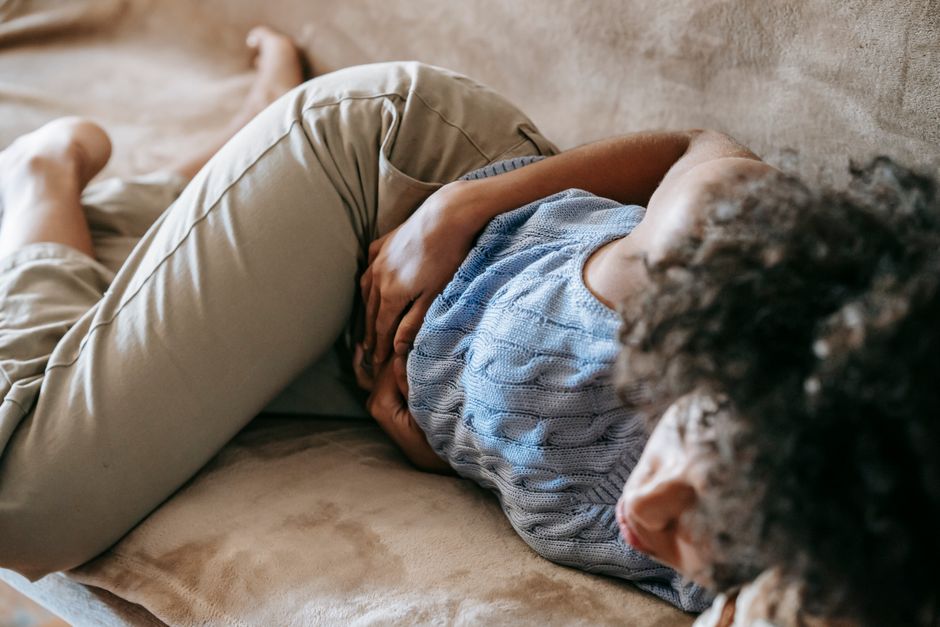
Period cramps can hit hard and fast, and when they do, you want relief now, not in an hour. The fastest options that actually work are heat applied directly to your lower belly, an over-the-counter anti-inflammatory like ibuprofen taken early, and gentle movement or certain body positions that ease muscle tension. None of these erase your period, but they can meaningfully turn down the pain within minutes to about half an hour.
What follows is an honest look at what helps, what the evidence actually supports, and what is mostly marketing. Some remedies are backed by solid research. Others are widely repeated but thin on proof. Knowing the difference helps you spend your energy on things that work.
What Can I Do To Stop Period Cramps Fast?
Heat is the single most reliable thing you can reach for at home. A heating pad, a warm bath, or a heat patch placed on your lower abdomen relaxes the uterine muscle and improves blood flow to the area. Research published in the Cochrane Database of Systematic Reviews found that continuous low-level topical heat was as effective as ibuprofen for menstrual pain in the short term, and combining the two worked better than either alone.
If you can take them, nonsteroidal anti-inflammatory drugs (NSAIDs) like ibuprofen or naproxen are the next fastest option. They work by blocking prostaglandins, the hormone-like compounds that make the uterus contract. The key is timing. Taken at the first sign of cramps or bleeding, they tend to work far better than taken once pain is already severe. Follow the label or your clinician’s guidance on dose and duration.
Position and movement matter too. Lying on your side with knees bent, curling into a fetal position, or placing a pillow under your pelvis can reduce tension. A short walk or gentle stretching often helps because light activity increases circulation and triggers the release of endorphins, your body’s own pain-relieving chemicals.
Why Do Period Cramps Happen At All?
Menstrual cramps come from prostaglandins. In the days before your period, the lining of the uterus produces these compounds. When levels rise, the muscular wall of the uterus contracts to help shed the lining. Strong contractions briefly reduce blood flow to the muscle, and that reduced flow is what registers as pain.
This is why NSAIDs work so well. They target the exact compound driving the contractions. It also explains why cramps tend to be worst on the first day or two of bleeding, when prostaglandin levels peak, and ease as the period goes on.
There is a condition worth knowing about. When cramps are severe enough to interfere with daily life, don’t respond to NSAIDs, or get worse over time, the cause may be endometriosis or uterine fibroids rather than ordinary cramping. Those conditions are not rare. If your pain is disabling, getting worse, or comes with heavy bleeding, that is a reason to see a clinician, not to push through.
Does Heat Really Work Better Than Medication?
For many people, heat works about as well as medication for mild to moderate cramps, and it carries essentially no risk. That combination of decent effectiveness and low risk makes it a reasonable first move, especially if you prefer to avoid pills or can’t take NSAIDs.
Heat does not replace medication for severe pain. It works on muscle tension and blood flow, but it does not block prostaglandin production the way an NSAID does. If your cramps are intense, the two approaches address different parts of the problem. Using both is often more effective than choosing one.
One practical note: heat patches and pads are convenient but check the temperature and never apply heat to numb skin or while sleeping on a pad you can’t control. Prolonged high heat can burn.





What About Exercise, Diet, and Supplements?
Light exercise has some evidence behind it. Regular aerobic activity over time is associated with less menstrual pain, though the effect builds up rather than working instantly. For fast relief, a walk is more about endorphins and circulation than a cure.
Dietary changes are often suggested, but the evidence is weaker than the confident claims suggest. Some studies indicate that omega-3 fatty acids and magnesium may reduce cramp severity, but results vary and the research is not strong enough to call these proven treatments. They are low-risk to try, but don’t expect them to replace heat or an NSAID when pain is acute.
Here is where honesty matters. Many supplements marketed for period pain have no large human trials confirming they work. A product being sold for cramps does not mean it has been shown to relieve them. If a label promises fast, guaranteed relief, that is a marketing claim, not a clinical one.
Which Remedies Are Mostly Hype?
Some popular advice does not hold up. The idea that a specific food or tea can stop cramps quickly is not supported by strong evidence. Herbal teas may feel soothing, and warm liquid is comforting, but the relief is largely from the warmth and the ritual, not a proven chemical effect.
Essential oils and topical balms are widely sold for cramps. Some contain menthol or camphor that create a cooling or warming sensation, which can distract from pain, but there is little evidence they reduce the underlying cramping. That is not the same as saying they do nothing. Sensation can genuinely change how you experience pain. It just isn’t the same as treating the cause.
Be cautious with anything claiming to “balance hormones” or “reset your cycle.” Those phrases usually signal marketing rather than medicine.
When Should You See A Doctor About Cramps?
Ordinary cramps are uncomfortable but manageable. Pain that is not ordinary deserves a closer look. See a clinician if cramps stop you from functioning, if NSAIDs and heat no longer help, if the pain is getting worse cycle after cycle, or if you have very heavy bleeding or bleeding between periods.
These signs can point to conditions like endometriosis, fibroids, or adenomyosis, which are treatable but often underdiagnosed. Getting evaluated is not overreacting. Persistent, disabling pain is a medical issue, not something to simply endure.
Some clinicians recommend hormonal options such as birth control pills to reduce cramp severity over time. These are not fast fixes, and they are not right for everyone. They work by thinning the uterine lining and lowering prostaglandin production, which can make future periods lighter and less painful. This is a conversation to have with a clinician who knows your history.
How To Get Relief In The Next Ten Minutes
If you need help right now, stack the fastest options rather than picking one.
- Apply continuous heat to your lower belly with a heating pad or warm bath.
- Take an NSAID like ibuprofen at the first sign of cramps, following label directions.
- Lie on your side with knees bent, or curl up, to relax the abdominal muscles.
- Try slow, deep breathing to reduce the muscle tension that amplifies pain.
- Take a short gentle walk if you can, to boost circulation and endorphins.
Expect heat and NSAIDs to take roughly 20 to 30 minutes to reach full effect. Heat often feels better within minutes. If nothing touches the pain and it is severe or worsening, that is your signal to get medical input rather than keep experimenting at home.
Frequently Asked Questions
What is the fastest way to stop period cramps?
Continuous heat on your lower belly and an NSAID like ibuprofen taken early are the fastest reliable options. Using both together tends to work better than either one alone.
Does ibuprofen work better than heat for cramps?
Research suggests heat can be about as effective as ibuprofen for short-term relief, and combining them works better than either alone. Ibuprofen targets the prostaglandins that cause contractions, while heat relaxes the muscle.
Can you stop period cramps without medication?
Yes, heat, gentle movement, and body positioning can reduce cramp pain without any medication. For severe cramps, though, these approaches may not be enough on their own.
When should I worry about period cramps?
See a clinician if cramps stop you from functioning, no longer respond to heat or NSAIDs, or get worse over time. Those signs can point to conditions like endometriosis or fibroids that need evaluation.
