
Muscle cramps happen when a muscle contracts hard and won’t relax. Period cramps are a different event — the uterus contracts, not a skeletal muscle. Both feel like a tight, squeezing pain, and both respond to some of the same basic comfort measures: heat, gentle movement, hydration, and in some cases medication. But the causes are not the same, so the best relief is not always the same either. This article covers what is well established for each type, what is uncertain, and what is simply marketing noise.
What Actually Causes a Muscle Cramp?
A muscle cramp is a sudden, involuntary contraction that does not release on its own. The muscle locks, usually for a few seconds to a few minutes, and it hurts.
The exact mechanism is still debated. The long-standing explanation was dehydration and electrolyte loss — too little sodium, potassium, or magnesium. That explanation holds up well for cramps caused by heavy sweating during prolonged exercise in heat. It holds up less well for the cramps many people get at night or at rest, which often have no clear electrolyte trigger at all.
A competing explanation involves the nervous system. Nerves that control muscle firing can become overexcited, causing the muscle to contract when it shouldn’t. This is why stretching and moving the muscle often stops a cramp quickly — it resets the nerve signals rather than correcting a chemical imbalance.
Common triggers include:
- Sudden intense exercise or exercising a muscle you haven’t used in a while
- Heavy sweating with fluid and salt loss
- Pregnancy, especially in the second and third trimesters
- Certain medications, including some diuretics and statins
- Older age, when muscle mass and nerve function change
- Medical conditions such as diabetes, thyroid disorders, and kidney disease
Most occasional cramps are harmless. Cramps that are frequent, severe, or come with weakness, numbness, or dark urine need medical evaluation.
How To Relieve Cramps Muscle Period And More: What Works for Muscle Cramps
For an active cramp, the fastest relief is usually stretching the muscle and holding it.
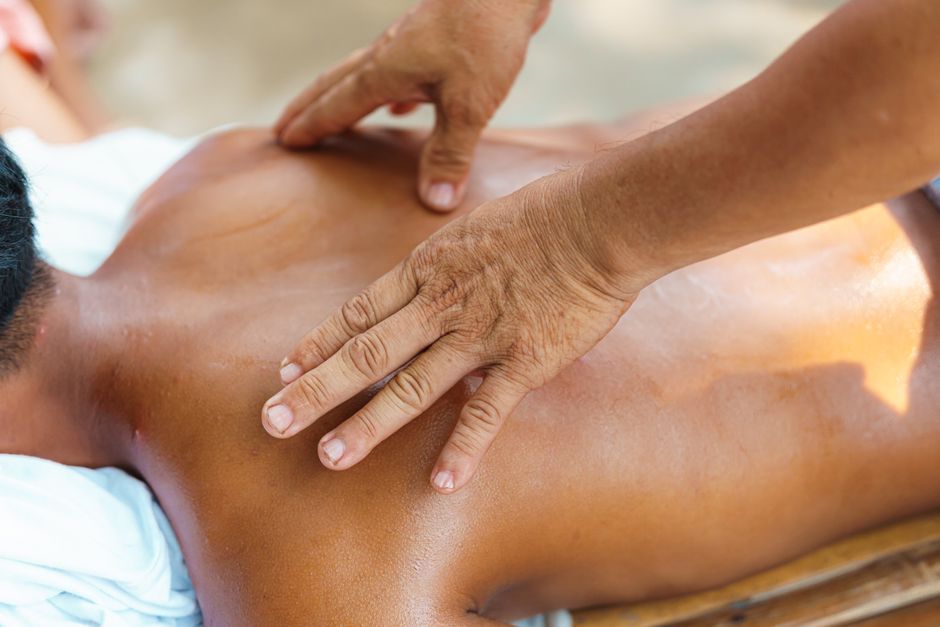
For a calf cramp, straighten your leg and pull your toes toward your shin. For a thigh cramp, stand and bend your knee, or lie on your stomach and pull your heel toward your buttock. Hold the stretch until the muscle releases, then gently massage the area.
Heat helps a tight, lingering muscle. A warm shower, heating pad, or warm compress increases blood flow and eases the residual soreness after a cramp. Ice is more useful if the muscle is swollen or inflamed, which is uncommon with a simple cramp.
For cramps triggered by sweating, replacing fluids and salt matters. Plain water alone may not be enough if you have lost a lot of sodium. Sports drinks or a pinch of salt in water can help in that specific situation. For nighttime cramps with no sweating involved, extra salt is not the answer and can be harmful for people with high blood pressure or heart conditions.
What about magnesium, potassium, and calcium supplements? The evidence here is weak. Some studies suggest magnesium may help cramps during pregnancy, but results for other types of cramps have been mixed or negative. No clinical evidence currently confirms that routine magnesium supplementation prevents cramps in generally healthy adults. If you suspect a deficiency, that is a conversation for your doctor, not a self-diagnosis.
Prescription medications exist for severe, persistent cramps, but they are not first-line and carry side effects. They are typically reserved for specific situations after other causes have been ruled out.
What Helps Period Cramps?
Period cramps — called dysmenorrhea — come from the uterus, not a skeletal muscle. During menstruation, the uterus contracts to shed its lining. A chemical called prostaglandin drives those contractions, and higher prostaglandin levels mean stronger, more painful cramps.
Because the mechanism is different, some relief strategies overlap with muscle cramps and some do not.
Heat works well for period cramps. Research has found that continuous low-level heat — such as a heating pad or patch — can reduce menstrual pain about as effectively as ibuprofen in some studies. This is one of the better-supported home measures.
NSAIDs such as ibuprofen and naproxen are the most effective over-the-counter option for period cramps. They work by blocking prostaglandin production, which addresses the actual cause. They work best when started at the first sign of cramps or bleeding rather than waiting for pain to peak. Follow the label and check with a doctor if you have stomach, kidney, or heart conditions.
Gentle exercise — walking, stretching, light yoga — can reduce pain for some people. The evidence is moderate, not overwhelming, but the risk is low and many people report benefit.
Omega-3 fatty acids and vitamin B1 have shown some benefit in small studies for menstrual pain. The evidence is not strong enough to call these established treatments.
What does not reliably help: avoiding all physical activity, cutting out entire food groups, or relying on herbal teas with no supporting evidence. Some herbal products marketed for period pain have not been tested in rigorous human trials.




When Are Cramps a Sign of Something More Serious?
Most cramps are ordinary. Some are not.
For muscle cramps, see a doctor if cramps are frequent and severe, cause muscle weakness or wasting, come with numbness or tingling, or are accompanied by dark or cola-colored urine after exercise. That last sign can indicate muscle breakdown, which is a medical emergency.
For period cramps, see a doctor if pain is severe enough to interfere with daily life, gets worse over time, starts later in life rather than at puberty, or comes with heavy bleeding, fever, or pain during sex. These can point to conditions such as endometriosis, fibroids, or pelvic inflammatory disease. Endometriosis in particular is often missed or dismissed, and pain that does not respond to NSAIDs and heat deserves a real evaluation rather than being accepted as normal.
Cramps in the legs that occur with walking and ease with rest can signal narrowed arteries. Cramps with swelling, redness, and warmth in one leg can signal a blood clot. Both need prompt medical attention.
Can You Prevent Cramps Before They Start?
Prevention depends on the type of cramp.
For exercise-related muscle cramps, the best-supported steps are to warm up before activity, build intensity gradually, stay hydrated, and replace salt if you sweat heavily for a long time. Stretching before exercise does not reliably prevent cramps, though stretching the specific muscle that tends to cramp can help some people.
For nighttime cramps, regular stretching of the calves and hamstrings before bed is commonly recommended. The evidence for it is mixed — some studies show benefit, others do not. It is low-risk, so many clinicians suggest trying it. Quinine, once used for nighttime cramps, is no longer recommended because of serious side effects.
For period cramps, there is no proven way to prevent them entirely, but regular aerobic exercise, adequate sleep, and not smoking are associated with less menstrual pain in observational studies. Starting an NSAID at the first sign of bleeding rather than waiting is one of the more practical steps for people who get predictable cramps.
Do Electrolyte Drinks and Supplements Live Up to the Hype?
Electrolyte drinks are useful in specific situations: prolonged sweating, intense exercise in heat, or illness with vomiting or diarrhea. In those cases, replacing sodium and fluid can prevent cramps and is well supported.
For the average person sitting at a desk or getting mild exercise, electrolyte drinks mostly add sugar and salt to your day without clear benefit. Marketing often implies these products prevent all cramps, which overstates what the evidence shows.
Magnesium supplements are heavily marketed for cramps, sleep, and general muscle health. For cramps specifically, the evidence is weak in healthy adults and somewhat stronger in pregnancy. Potassium supplements should not be taken without medical guidance, especially for people with kidney disease or on certain blood pressure medications, because too much potassium can be dangerous.
The simplest honest summary: electrolytes help when you have actually lost electrolytes. They do little when you haven’t.
Frequently Asked Questions
What is the fastest way to stop a muscle cramp?
Stretch the cramped muscle and hold it until the contraction releases, then massage the area gently. For a calf cramp, straighten your leg and pull your toes toward your shin.
Does magnesium actually help with cramps?
Some studies suggest magnesium may help leg cramps during pregnancy, but evidence in other adults is mixed or negative. No clinical evidence currently confirms it prevents cramps in generally healthy people.
Is heat or ice better for period cramps?
Heat is better supported for period cramps, and research has found continuous low-level heat can reduce menstrual pain about as well as ibuprofen in some studies. Ice is more useful for swelling or injury, not typical menstrual cramps.
When should I worry about frequent muscle cramps?
See a doctor if cramps are severe, cause weakness or numbness, or come with dark urine after exercise. Those signs can indicate a nerve, circulation, or muscle problem that needs evaluation.
