
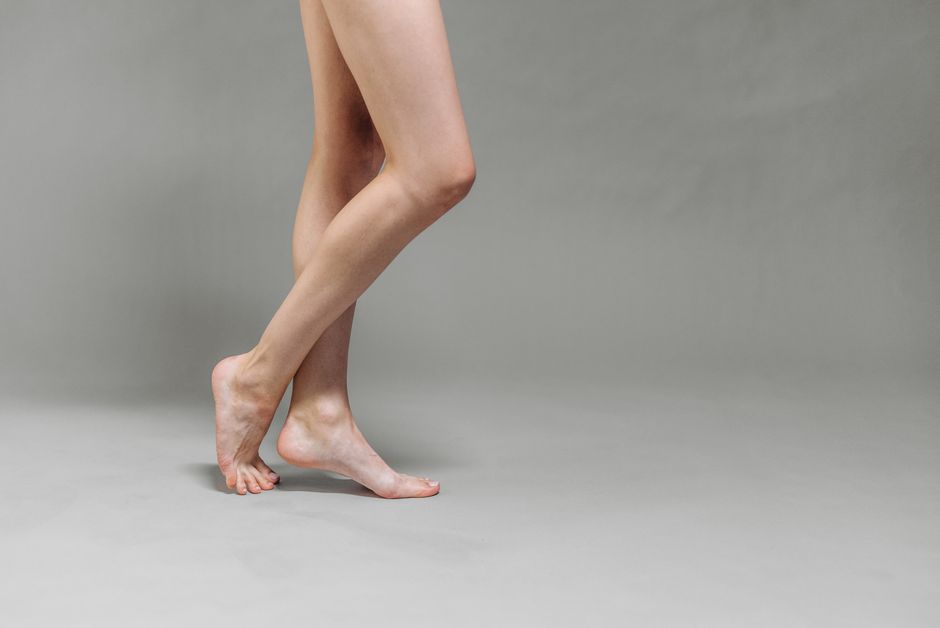
Swollen feet and ankles are common, but that does not mean you have to just live with them. For most people, the first step is to get the swelling down by raising your legs above your heart for 15 to 30 minutes, several times a day. Cut back on salty foods, drink enough water, and move your legs regularly to pump fluid back toward your heart. If the swelling is mild and comes and goes, these simple steps often work well on their own. But if the swelling is sudden, painful, or only on one side, you need to see a doctor right away — that can be a sign of a blood clot or other serious condition.
What causes feet and ankles to swell in the first place?
Swelling in your lower legs is called peripheral edema. It happens when fluid builds up in the spaces between your cells. Gravity pulls that fluid down into your feet and ankles over the course of a day. That is why many people notice more swelling in the evening than in the morning.
Common causes include sitting or standing for long periods, hot weather, eating too much salt, being overweight, and normal hormonal changes during pregnancy. Some medications can also cause swelling. These include certain blood pressure drugs called calcium channel blockers, steroids, antidepressants, and some diabetes medications. The CDC reports that about 4.9 million adults in the U.S. have chronic venous insufficiency, a condition where the valves in your leg veins do not work well, which often leads to swollen ankles.
More serious causes include heart failure, kidney disease, liver disease, and blood clots in the deep veins of the leg — known as deep vein thrombosis or DVT. If you have a known heart, kidney, or liver condition and notice new or worsening swelling, tell your doctor.
What can I do for swollen feet and ankles that actually works?
Research shows that the most effective home strategies target the root cause: fluid pooling in your lower legs. Elevation is one of the simplest and most proven methods. When you lie down and prop your feet up higher than your heart, gravity helps drain fluid back into your circulation. A study published in the Journal of Vascular Surgery found that leg elevation for 30 minutes significantly reduced lower leg volume in people with chronic venous insufficiency.
Compression socks work well for many people. These graduated stockings are tightest at the ankle and get looser as they go up the leg. They physically squeeze the fluid out of your tissues and push it upward. The American Heart Association notes that compression stockings can reduce swelling and improve symptoms in people with venous disease. Over-the-counter options with 15-20 mmHg of pressure are a good starting point. Higher pressures require a prescription and fitting from a medical professional.
Movement is another key piece. Your calf muscles act as a pump when you walk. Each step squeezes the deep veins in your legs and pushes blood back toward your heart. If you sit at a desk all day, take a two-minute walk every hour. If you stand all day, shift your weight from foot to foot and walk in place when you can.
What does the research say about diet and hydration for swelling?
Salt is a major driver of fluid retention. Your kidneys balance sodium and water. When you eat a lot of salt, your body holds onto extra water to dilute it. That extra water ends up in your tissues. The American Heart Association recommends limiting sodium to no more than 2,300 milligrams per day — and ideally under 1,500 mg for most adults. A single fast-food meal can easily contain half of that or more.
Drinking enough water might seem counterintuitive when you are trying to get rid of fluid, but it helps. When you are dehydrated, your body holds onto sodium and water more tightly. Adequate hydration helps your kidneys flush out excess sodium. There is no magic number for everyone, but if your urine is pale yellow, you are likely well hydrated.
Some people report that certain foods help reduce swelling. Foods high in potassium — like bananas, sweet potatoes, spinach, and avocados — help balance sodium levels in your body. Magnesium-rich foods like almonds and dark leafy greens may also help, though strong clinical evidence is limited. The best approach is a balanced diet with plenty of whole foods and minimal processed items.


When should you try compression socks and how do you pick them?
Compression socks are not just for elderly people or long flights. They are a legitimate medical tool for managing swelling. Research published in the Cochrane Database of Systematic Reviews found that compression stockings reduced swelling in people with chronic venous insufficiency compared to no treatment. They are most effective when worn during the day and removed at night.
Here is a simple guide to choosing compression levels:
| Compression Level | Typical Use |
|---|---|
| 8-15 mmHg | Mild swelling from long travel or minor fluid retention |
| 15-20 mmHg | Moderate swelling, varicose veins, pregnancy-related edema |
| 20-30 mmHg | Chronic venous insufficiency, post-surgical swelling (requires prescription) |
| 30-40 mmHg | Severe chronic swelling, lymphedema (requires prescription and fitting) |
A few practical tips for compression socks. Put them on first thing in the morning when swelling is at its lowest. Do not fold the tops down — that creates a tight band that can cut off circulation. If they cause numbness, tingling, or pain, they are too tight. Remove them at night and wash them regularly according to the package instructions.
What home remedies are worth trying and which are a waste of time?
Some home remedies have real evidence behind them. Epsom salt soaks are widely claimed to reduce swelling. The magnesium sulfate in Epsom salts can draw fluid out of tissues through osmosis. Some people report relief, though strong clinical evidence is limited. If you try it, use warm — not hot — water and soak for no more than 15 minutes. Hot water can actually increase swelling by dilating blood vessels.
Massage can help move fluid out of your legs. Gentle strokes in the direction of your heart — from ankle toward knee — can encourage lymphatic drainage. Do not press hard or massage over areas of skin that are red, warm, or painful, as that could indicate an infection or clot.
What does not work? Elevating your legs for only five minutes. That is not enough time for gravity to do its job. Wearing tight socks that leave marks on your skin — those are not compression socks, they are just tight socks, and they can actually make swelling worse by acting like a tourniquet. Drinking “detox teas” or taking herbal diuretics without medical supervision is risky. Some can cause electrolyte imbalances or interact with medications. As of 2026, there is no clinical evidence that any over-the-counter “detox” product reduces leg swelling safely or effectively.
What over-the-counter and prescription options exist?
For mild swelling that does not respond to lifestyle changes, over-the-counter options are limited. Compression socks are the most evidence-backed non-prescription tool. Some people try over-the-counter diuretics like those containing caffeine or dandelion extract. The evidence for these is weak. A study in the Journal of Alternative and Complementary Medicine found that dandelion extract increased urine output in a small group of people, but no studies have shown it reduces leg swelling specifically.
Prescription diuretics — often called water pills — are effective for swelling caused by heart failure, kidney disease, or liver disease. These include medications like furosemide (Lasix) and hydrochlorothiazide. They work by making your kidneys excrete more sodium and water. But they are not safe for everyone. They can cause dehydration, low potassium, and kidney damage if used incorrectly. Never take someone else’s water pills. A doctor must prescribe these based on your specific condition and blood work.
If your swelling is caused by chronic venous insufficiency, your doctor may recommend prescription-strength compression stockings or procedures like endovenous laser therapy or sclerotherapy to fix damaged veins. These treatments address the underlying problem rather than just managing symptoms.
What are the warning signs that require immediate medical attention?
Most swollen feet and ankles are not an emergency. But some situations are. Call your doctor or go to the emergency room if you have any of these symptoms alongside swelling:
- Sudden swelling in only one leg, especially if it is painful, red, or warm to the touch — this could be a deep vein thrombosis
- Shortness of breath, chest pain, or trouble breathing — this could be a pulmonary embolism
- Swelling that does not go down after a few days of home treatment
- Pitting edema — when you press your finger into the swollen area and an indentation stays for several seconds
- Swelling that gets worse throughout the day and is accompanied by fatigue, weight gain, or decreased urine output
- Red streaks or open sores on your leg
If you have a history of heart failure, kidney disease, or liver disease, do not try to manage new or worsening swelling on your own. Contact your healthcare provider. They may need to adjust your medications or run tests to check your organ function.
Frequently Asked Questions
How long should I elevate my feet to reduce swelling?
Elevate your feet above heart level for 15 to 30 minutes at a time, three to four times per day.
Can drinking more water actually help swollen feet?
Yes, staying well hydrated helps your kidneys flush out excess sodium that can cause fluid retention.
Are compression socks safe to wear all day?
Yes, compression socks are safe to wear during waking hours but should be removed at night while sleeping.
What is the fastest way to reduce swelling in feet and ankles?
Elevating your legs above heart level and applying a cold compress for 15 minutes is the fastest home method.
