
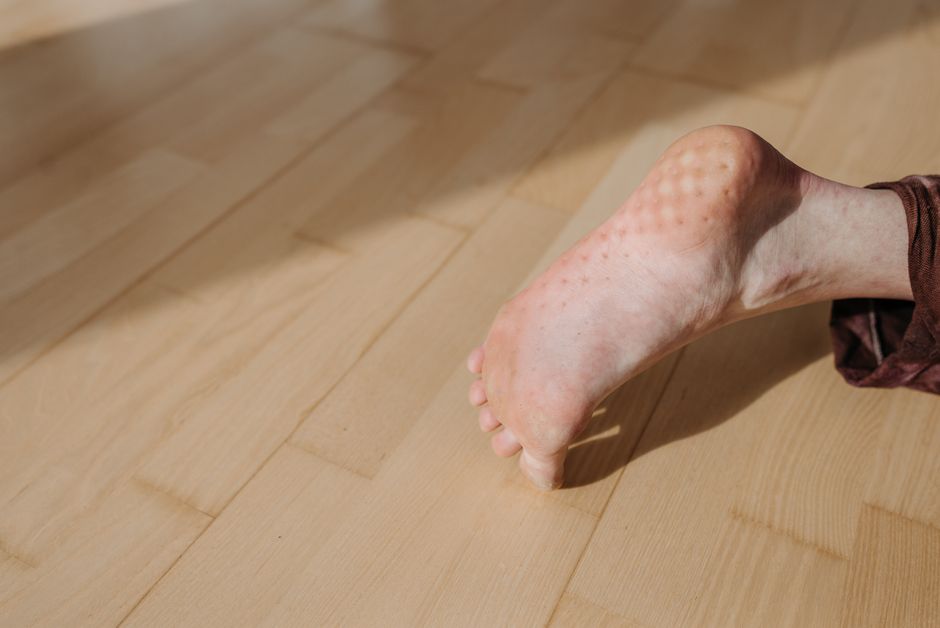
Stepping on hot sand, a hot pavement, or accidentally touching a hot surface with your bare foot can leave the soles of your feet burned and painful. The good news is that most minor burns on the soles of the feet can be treated effectively at home. The key steps are to immediately cool the burn under cool running water for 10 to 20 minutes, then gently clean the area, apply a burn cream or aloe vera, and cover it loosely with a sterile non-stick bandage. Keeping weight off the foot and elevating it helps reduce swelling. This article explains exactly how to treat burnt soles of feet at home, what to avoid, and when you need to see a doctor.
What Is the First Thing You Should Do for a Burnt Foot Sole?
The moment you realize the sole of your foot is burned, your first action is critical. Get the heat out of the skin as fast as possible. The American Academy of Dermatology recommends running cool — not cold — tap water over the burn for 10 to 20 minutes. Do not use ice. Ice can cause frostbite on top of the burn, making the damage worse.
If you cannot hold your foot under a faucet, you can soak it in a basin of cool water. Change the water if it warms up. This cooling step stops the burning process, reduces pain, and limits how deep the burn goes. After cooling, pat the area dry with a clean cloth. Do not rub it. Blot gently to avoid breaking any blisters that may have formed.
How To Treat Burnt Soles Of Feet At Home With Simple Supplies
Once the burn is cooled and dried, you need to protect it. Clean the area with mild soap and cool water. Avoid harsh antibacterial soaps or scrubbing. Then apply a thin layer of an over-the-counter burn cream like silver sulfadiazine (Silvadene) or a plain antibiotic ointment like bacitracin. These keep the wound moist and prevent infection.
Cover the burn loosely with a sterile non-stick gauze pad. Do not use cotton balls or fluffy bandages — fibers can stick to the burn and cause more pain when you change the dressing. Secure the gauze with medical tape that does not go directly on the burned skin. Change the dressing once a day or anytime it gets wet or dirty.
For pain, over-the-counter ibuprofen or acetaminophen can help. Ibuprofen also reduces inflammation, which is useful for foot burns because you need to walk. Elevating your foot above heart level for 15 to 20 minutes several times a day will help keep swelling down.
What Home Remedies Actually Work for Burnt Feet?
Some home remedies have real evidence behind them. Aloe vera is the most studied. Research published in the Journal of Burn Care & Research found that aloe vera gel can speed up healing for first- and second-degree burns compared to standard care. Use pure aloe vera gel from the plant or a store-bought product with no added alcohol or fragrances.
Honey is another option with solid evidence. A 2020 review in Wound Medicine looked at multiple studies and concluded that medical-grade honey reduces healing time and lowers infection risk for superficial burns. Apply a thin layer on a sterile gauze pad, then place it on the burn. Change it once or twice daily.
Coconut oil and vitamin E oil are widely claimed to help burns, but strong evidence for them is limited. Some people report less dryness and itching with coconut oil, but it should only be applied after the initial cooling and cleaning. Never put oil on a fresh, hot burn — it traps heat and makes the injury worse.





What Should You Absolutely Not Do When Treating a Burnt Foot Sole?
Many old-school burn remedies are now known to be harmful. Never put butter, egg whites, toothpaste, or ice directly on a burn. Butter and egg whites trap heat and can introduce bacteria. Ice causes vasoconstriction and frostbite on already damaged skin. Toothpaste is alkaline and can irritate or chemically burn the skin further.
Do not pop blisters. Blisters are the body’s natural sterile bandage. If you pop them, you open the wound to infection. Let them break on their own. If a blister does break, clean it gently with soap and water, apply antibiotic ointment, and cover it with a non-stick bandage.
Avoid tight shoes or socks. The soles of the feet are already swollen and tender. Wear open-toed sandals or go barefoot indoors on clean surfaces. If you must wear shoes, choose loose, soft footwear that does not rub the burn.
How Do You Know If a Burnt Foot Sole Is Serious Enough for a Doctor?
Most foot burns that cover a small area and are superficial (first-degree or mild second-degree) can be handled at home. But there are clear signs you need medical care. If the burn covers a large area — bigger than the palm of your hand — or if it is deep enough that the skin looks white, leathery, or charred, that is a third-degree burn. Third-degree burns always need professional treatment.
Other red flags include signs of infection: increasing redness around the burn, swelling that gets worse after two days, pus, red streaks spreading from the wound, or a fever over 100.4°F. If you have diabetes or poor circulation in your feet, any burn on your foot should be checked by a doctor because healing is slower and infection risk is higher.
The CDC reports that foot burns in people with diabetes are a leading cause of lower limb amputations. This is serious. If you have diabetes and burn your foot, do not try to treat it at home. See a healthcare provider the same day.
How Long Does It Take for a Burnt Foot Sole to Heal?
Healing time depends on the burn depth. First-degree burns affect only the outer layer of skin (epidermis). They typically heal in 3 to 6 days with peeling and no scarring. Second-degree burns damage the deeper layer (dermis) and may form blisters. They usually heal in 2 to 3 weeks, sometimes with some color changes to the skin that fade over months.
The soles of the feet have thick skin, which can slow healing compared to other body parts because the skin there is less vascular. But that same thickness also means burns on the soles are often less deep than they look at first. Do not judge the severity in the first hour. The full extent of the burn may take 24 to 48 hours to appear.
During healing, you may notice itching. This is normal and means new skin is forming. Do not scratch. Keep the area moisturized with unscented lotion or aloe vera once the burn is closed and no longer weeping.
| Burn Degree | Appearance | Pain Level | Healing Time | Home Treatment? |
|---|---|---|---|---|
| First-degree | Red, dry, no blisters | Mild to moderate | 3–6 days | Yes |
| Second-degree (superficial) | Red, moist, blisters | Moderate to severe | 2–3 weeks | Yes, if small area |
| Second-degree (deep) | White or blotchy, blisters may be open | Severe, may be less painful if nerves damaged | 3–6 weeks | No — see doctor |
| Third-degree | White, leathery, charred | Little to no pain (nerves destroyed) | Weeks to months, often needs skin graft | No — emergency care |
What Are the Common Mistakes People Make When Treating Burnt Feet at Home?
The most common mistake is not cooling the burn long enough. People often cool for a minute or two and stop. Research from the American Burn Association shows that cooling for at least 10 minutes significantly reduces burn depth and pain. Set a timer if you need to.
Another mistake is using adhesive bandages directly on the burn. The sticky part can rip off new skin when removed. Always use non-stick pads and tape them to healthy skin around the burn. A third mistake is ignoring pain. Foot burns hurt a lot because the soles have many nerve endings. Do not tough it out. Take pain relievers as directed and rest.
Finally, many people stop treatment too early. Even after the burn looks healed, the skin is fragile for several weeks. Keep it moisturized and protected from friction. Avoid going barefoot on hot surfaces again until the skin has fully regained its thickness and sensation.
Frequently Asked Questions
Can I put ice directly on a burnt foot sole?
No. Ice can cause frostbite on the already damaged skin. Always use cool running water for 10 to 20 minutes instead.
Should I wrap a burnt foot sole tightly with a bandage?
No. Wrap it loosely with a non-stick gauze pad. Tight bandages restrict blood flow and slow healing.
Can I walk on a burnt foot sole?
Try to keep weight off the burned foot as much as possible for the first 48 hours. Walking increases pain and swelling. Use crutches if needed.
Is it safe to soak a burnt foot in salt water?
Mild salt water soaks can help clean the wound, but only after the initial cooling. Do not use hot salt water. Use cool or lukewarm water with a teaspoon of salt per cup.
