
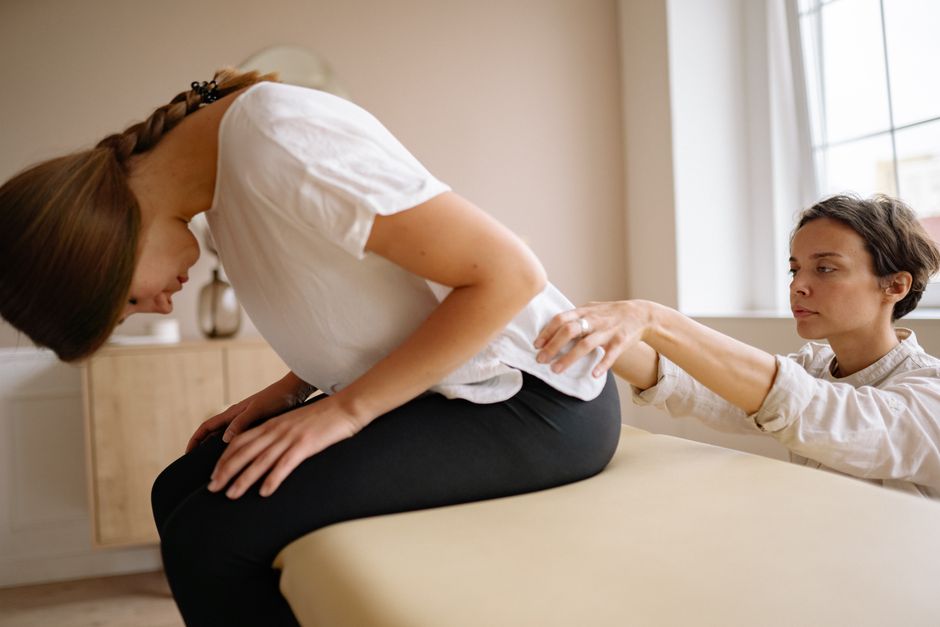
Most lower back pain gets better on its own within a few weeks. Staying gently active, avoiding bed rest, and using heat or over-the-counter pain relievers when needed are the main steps that help most people recover. Surgery and strong prescription medications are rarely the first answer.
That short version covers the majority of cases. But lower back pain is not one condition. It can come from a strained muscle, a worn disc, a pinched nerve, or something unrelated to the spine entirely. What helps depends on which one you are dealing with.
What Usually Causes Lower Back Pain?
Most cases have no single clear cause. That surprises people, but it is the honest answer. A doctor may call it “nonspecific” low back pain, which means the pain is real but no specific structure explains it.
What we do know is that certain things raise your risk. Lifting something heavy with poor form. A sudden awkward twist. Sitting or standing in one position for too long. Being inactive for months or years. Carrying extra weight. Smoking, which reduces blood flow to spinal discs.
Less often, a specific structure is the source. A herniated disc can press on a nerve root and send pain down the leg. This is called sciatica. Spinal stenosis narrows the canal that holds the spinal cord and nerves, which is more common after age 60. A vertebral compression fracture can happen in people with osteoporosis.
Age-related changes show up on imaging in most adults. A large share of people with no back pain at all have disc bulges and disc degeneration on an MRI. This matters because a scan finding does not always explain the pain. Treat the person, not the picture.
What Can Help Back Pain in Lower Back Right Now?
For a recent flare-up, a few simple steps help most people.
- Keep moving. Gentle activity speeds recovery compared with lying in bed. Bed rest beyond a day or two tends to make things worse.
- Apply heat. A heating pad or warm shower relaxes tight muscles and eases pain for many people. Some prefer cold packs in the first day or two.
- Try an over-the-counter pain reliever. Acetaminophen or an anti-inflammatory like ibuprofen can take the edge off. Follow the label. Do not exceed the daily maximum, and check with a pharmacist if you take other medications or have kidney, liver, or stomach problems.
- Return to normal activity as you can. You do not need to wait until the pain is fully gone.
What does not help: staying in bed for days, pushing through heavy lifting, or ignoring worsening symptoms.
When Should You See a Doctor?
Most lower back pain does not need urgent care. But some symptoms need prompt medical attention.
Get seen quickly if you have:
- Loss of bladder or bowel control
- Numbness in the groin or inner thigh area
- Weakness in both legs, or legs that give way
- Pain after a fall or accident
- Fever, chills, or unexplained weight loss along with the back pain
- A history of cancer
- Pain that is worse at night or when resting
These signs are uncommon, but they can point to a serious problem. Do not wait them out.
For pain that lingers past a few weeks or keeps coming back, see a doctor or a physical therapist. You do not need to suffer for months before asking for help.




Do Exercises and Physical Therapy Help?
Yes, for many people. Physical therapy is one of the better-supported treatments for ongoing lower back pain. It helps build strength in the muscles that support the spine, improves flexibility, and teaches you how to move without triggering pain.
No single exercise works for everyone. What matters more is doing something consistently. Walking, swimming, and gentle stretching are common starting points. A physical therapist can tailor a program to your specific problem.
One clarification worth knowing: core strength matters, but not in the way fitness marketing often suggests. The goal is not a six-pack. It is a stable, coordinated set of muscles around your trunk and hips that support normal movement. Slow, controlled exercises usually beat aggressive ones when you are in pain.
If an exercise makes your pain worse, especially pain that shoots down your leg, stop and check with a professional.
What About Medications and Injections?
Over-the-counter pain relievers are the first option for most people. If those are not enough, a doctor may prescribe something stronger.
Muscle relaxants are sometimes used for short periods. They can help with muscle spasms but cause drowsiness. Opioids are prescribed in some cases but carry real risks of dependence and are generally not recommended for long-term use in chronic back pain.
Steroid injections deliver medication directly near a nerve or joint. They can reduce pain for some people, but the relief is often temporary. Evidence for how well they work long-term is mixed. They are usually considered when other treatments have not helped.
No medication treats the underlying cause of most lower back pain. They manage symptoms while the body does its own healing or while you build strength through therapy.
Is Surgery Ever Needed?
Rarely. Most people with lower back pain do not need surgery, and it is not a first-line treatment.
Surgery may be considered when a specific structural problem is clearly causing severe symptoms that have not improved with other treatment. Examples include a herniated disc pressing hard on a nerve, spinal stenosis causing disabling leg pain, or a fracture that is unstable.
Even then, outcomes vary. Some people get significant relief. Others do not. Surgery also carries risks like infection, bleeding, and nerve damage. This is a decision to make carefully with a specialist, not quickly.
Can Supplements or Alternative Treatments Help?
Most supplement claims for back pain are not supported by strong evidence. This is worth saying plainly because the marketing is loud.
Some people report benefit from:
- Topical creams containing capsaicin or menthol, which create a warming or cooling sensation that can distract from pain
- Acupuncture, which some studies suggest may reduce pain, though results vary and the effect is often modest
- Massage, which can ease muscle tension short-term
- Yoga and tai chi, which combine movement, stretching, and breathing and have some evidence for chronic back pain
What has weak or no reliable evidence: most oral supplements marketed for joint or back health, including glucosamine and chondroitin for back pain specifically. Some research suggests these may help knee osteoarthritis in certain people, but that is a different condition. Do not assume it applies to your back.
Chiropractic adjustment is used by many people. Some studies suggest it can help short-term, similar to other hands-on treatments. The evidence for long-term benefit is limited.
None of these treat the underlying cause. They may help you feel better while you recover or while you work on strength and movement.
How Can You Prevent Lower Back Pain From Coming Back?
Recurrence is common. Once you have had an episode, the odds of another one go up. Prevention is mostly about movement and load management.
- Stay active. Regular walking, swimming, or other low-impact activity keeps the muscles around your spine working.
- Strengthen your core and hips. A physical therapist can guide this if you are unsure where to start.
- Lift with your legs, not your back. Keep the load close to your body and avoid twisting while lifting.
- Break up long periods of sitting. Stand and move every 30 to 60 minutes if you can.
- Maintain a healthy weight. Extra weight adds load to the spine.
- Do not smoke. Smoking is linked to disc degeneration and slower healing.
None of these guarantee you will never have another flare-up. They lower the odds and make episodes easier to manage when they happen.
What Is the Outlook?
For most people, lower back pain improves within a few weeks. Some continue to have occasional flare-ups. A smaller number develop chronic pain that lasts beyond three months.
Chronic low back pain is harder to treat. The goal shifts from cure to management. That means building strength, staying active, addressing sleep and stress, and working with a professional who can adjust your plan over time.
This is not a failure. It is how chronic pain works. Many people with ongoing back pain live full, active lives with the right combination of movement, pacing, and support.
Frequently Asked Questions
How long does lower back pain usually last?
Most acute episodes improve within a few weeks. If pain lasts longer than three months, it is considered chronic and may need a different treatment approach.
Should I rest or keep moving with lower back pain?
Keep moving gently. Bed rest beyond a day or two tends to slow recovery and make pain worse.
Can a herniated disc heal on its own?
Many herniated discs improve without surgery over weeks to months. If you have weakness, numbness, or loss of bladder control, seek medical care right away.
What is the best sleeping position for lower back pain?
Many people do best on their side with a pillow between the knees, or on their back with a pillow under the knees. There is no single position that works for everyone.
