
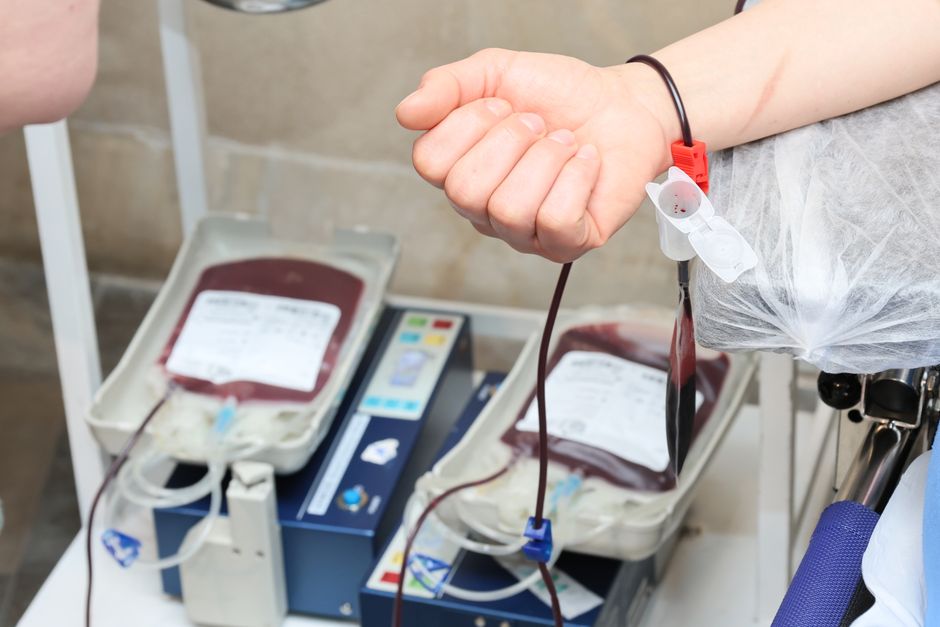
A platelet transfusion is a medical procedure where you receive platelets from a donor to help your blood clot properly. Platelets are tiny, disc-shaped cells in your blood that stop bleeding by clumping together at injury sites. When your platelet count drops too low, or your platelets do not work correctly, you are at risk for serious bleeding. A transfusion replaces those missing or faulty cells with healthy ones from a screened donor. It is a common, potentially life-saving procedure used for people with cancer, severe infections, or major blood loss.
Why Would Someone Need a Platelet Transfusion?
Your body needs platelets to prevent and stop bleeding. If you do not have enough, you can bruise easily, bleed from your gums, or have dangerous internal bleeding. The medical term for a low platelet count is thrombocytopenia. A normal platelet count is usually between 150,000 and 450,000 platelets per microliter of blood. Transfusions are often considered when the count falls below 10,000 to 20,000, though the exact threshold depends on the patient’s condition.
There are several specific reasons a doctor would order a platelet transfusion. The most common is cancer treatment. Chemotherapy and radiation therapy can damage the bone marrow, which is where platelets are made. Patients with leukemia or lymphoma often need regular platelet support during treatment. Another major reason is to prevent bleeding before an invasive procedure. If you need surgery and your platelet count is dangerously low, a transfusion may be given beforehand to reduce bleeding risk.
Severe bleeding from trauma, major surgery, or childbirth can also deplete your body’s platelet supply quickly. In these emergencies, platelets are given as part of a massive transfusion protocol. Some people have medical conditions that destroy platelets faster than the body can make them, such as immune thrombocytopenia (ITP). In some of these cases, a transfusion may be used, though other treatments are often tried first.
What Are the Different Types of Platelet Transfusions?
There are two main types of platelet products used in hospitals today. The first is called apheresis platelets, sometimes referred to as single-donor platelets. During apheresis, a machine draws blood from one donor, spins out the platelets, and returns the rest of the blood to the donor. This process collects a full adult dose from a single person. The second type is whole blood-derived platelets, which are separated from units of donated whole blood. Several of these units are pooled together to create one adult dose from multiple donors.
Apheresis platelets are often preferred because they reduce the number of different donors a patient is exposed to, which lowers the risk of immune reactions and infections. However, both types are considered safe and effective. The choice between them often comes down to what is available at the hospital blood bank.
Another important distinction is between random donor platelets and HLA-matched platelets. HLA stands for human leukocyte antigen, which are proteins on the surface of cells. Some patients who receive many transfusions develop antibodies against these proteins, causing them to reject random donor platelets. For these patients, special HLA-matched platelets are ordered from donors whose cell markers closely match the patient’s own.
How Is a Platelet Transfusion Given?
Receiving a platelet transfusion is similar to getting an IV or a standard blood transfusion. A nurse inserts a thin tube called a catheter into a vein, usually in your arm. The bag of platelets is connected to the tube, and the platelets drip into your bloodstream over a period of time. A single platelet transfusion typically takes 15 to 30 minutes, though it can take longer if you have a history of reactions or heart problems.
Before the transfusion starts, a nurse will check your vital signs and confirm your identity and the blood product match. You will be monitored closely during and for a short time after the transfusion for any signs of a reaction. Most people feel no different during the procedure. Some people experience a mild cooling sensation or a metallic taste, which is normal and passes quickly.
You do not need to fast before a platelet transfusion, and you can usually eat and drink normally afterward. Most platelet transfusions are given in a hospital or an outpatient infusion center. You can typically go home soon after the transfusion is complete, provided you do not have any adverse reactions.





What Are the Risks and Side Effects?
Platelet transfusions are generally safe, but they are not without risk. The most common side effects are febrile non-hemolytic reactions, which cause fever and chills during or shortly after the transfusion. These reactions are usually mild and can be treated with acetaminophen or diphenhydramine. They occur because white blood cells in the donated product release substances that cause inflammation.
Allergic reactions are also possible. These can range from mild hives and itching to, rarely, severe anaphylaxis. If you have had allergic reactions to transfusions before, your doctor may give you pre-medication before the transfusion. The most serious risk is a condition called transfusion-related acute lung injury (TRALI), where fluid builds up in the lungs and makes it hard to breathe. TRALI is rare but can be life-threatening. Another serious complication is sepsis, a severe infection from bacteria in the donated product, though modern screening has made this extremely rare.
There is also a risk of your immune system reacting against the transfused platelets. This is called platelet refractoriness. When this happens, your platelet count does not rise as expected after a transfusion. This is most common in patients who have received many prior transfusions. In these cases, HLA-matched platelets are used to overcome the problem.
How Effective Is a Platelet Transfusion?
For most patients, a platelet transfusion works quickly and effectively. Doctors typically check a blood sample about one hour after the transfusion to measure the rise in platelet count. A successful transfusion is usually defined as a significant increase in the platelet count that stops or prevents bleeding. The effect is temporary, however. Transfused platelets only survive in the bloodstream for about 3 to 5 days, so repeat transfusions are often necessary.
The effectiveness depends on several factors. If you have active bleeding, an infection, or an enlarged spleen, your body may consume platelets faster, making the transfusion less effective. Certain medications can also interfere with platelet function. The underlying reason for your low platelet count matters too. If your bone marrow is not producing platelets, a transfusion can help. If your body is destroying platelets rapidly, the effect may be shorter-lived.
Are There Alternatives to Platelet Transfusions?
In some situations, medications can be used instead of, or in addition to, platelet transfusions. Drugs called antifibrinolytics, such as tranexamic acid, help stabilize blood clots and reduce bleeding. They do not increase your platelet count, but they can make the platelets you have work more effectively. These drugs are often used in surgery or for heavy menstrual bleeding.
For patients with certain conditions like ITP, medications that suppress the immune system or stimulate platelet production may be used. These include corticosteroids, intravenous immunoglobulin (IVIG), and thrombopoietin receptor agonists. These drugs are not used for acute emergency bleeding because they take days or weeks to work.
Another emerging area is the use of platelet substitutes or synthetic platelet products. Research is ongoing, but these products are not yet widely available for clinical use. As of now, donor-derived platelets remain the standard of care.
What Should You Tell Your Doctor Before a Transfusion?
Before you receive a platelet transfusion, tell your doctor if you have had reactions to previous transfusions. This is important because it changes how the transfusion is managed. You should also mention any history of heart failure or fluid retention, as transfusions add volume to your bloodstream. Women who have been pregnant should inform their doctor, as prior pregnancies can cause the immune system to develop antibodies that make platelet transfusions less effective.
Tell your doctor about all medications you take, including over-the-counter drugs. Some medications, like aspirin and certain blood thinners, affect platelet function. If you have had a bone marrow transplant or have a blood cancer, your doctor will already be aware of your special transfusion needs. Religious beliefs that affect your decision to accept blood products should be discussed with your medical team well before an emergency arises.
Frequently Asked Questions
How long does a platelet transfusion last?
The platelets themselves survive for about 3 to 5 days in your bloodstream. The protective effect against bleeding typically lasts that same duration, so repeat transfusions are often needed if your bone marrow is not producing enough platelets on its own.
What is a normal platelet count?
A normal platelet count is between 150,000 and 450,000 platelets per microliter of blood. Transfusions are usually considered when the count drops below 10,000 to 20,000, depending on the patient’s condition and whether they are bleeding.
Can you receive a platelet transfusion if you are pregnant?
Yes, platelet transfusions can be given during pregnancy if the mother has a dangerously low platelet count or active bleeding. This is a high-risk situation, and the decision is made by a team of specialists including obstetricians and hematologists.
What is the difference between apheresis and pooled platelets?
Apheresis platelets come from a single donor and are collected using a special machine. Pooled platelets are separated from multiple whole blood donations and combined into one dose. Apheresis platelets expose you to fewer donors, which slightly reduces the risk of immune reactions.
