
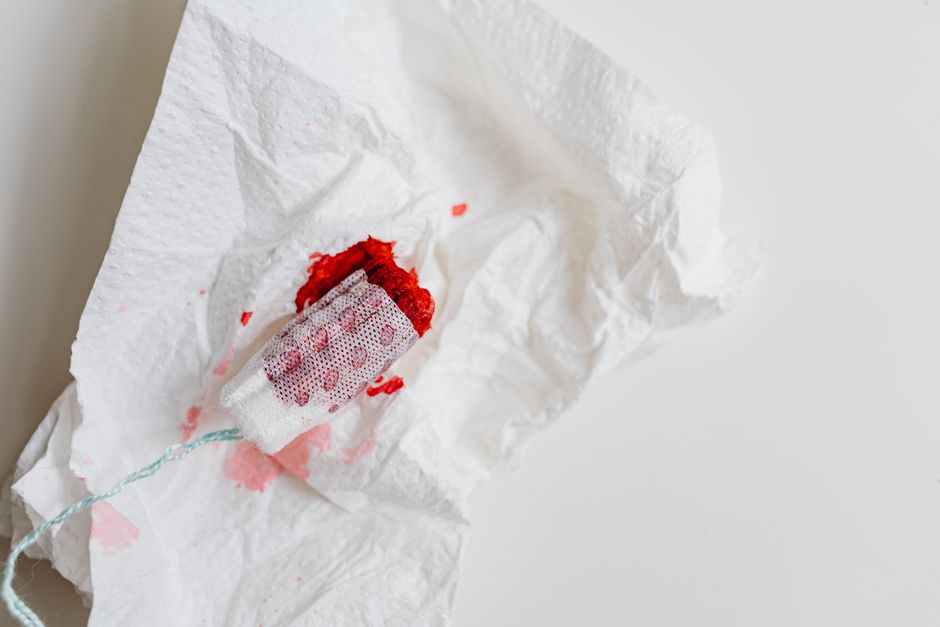
Bleeding after menopause is not normal, and it always deserves a medical evaluation.
After menopause, periods stop permanently. When the ovaries stop producing the hormones that built up the uterine lining each month, that lining no longer thickens and sheds. So when bleeding appears a year or more after your last period, something is causing it. The most common cause is a benign condition called atrophic vaginitis, where thinning tissue becomes fragile and bleeds easily. But healthcare providers treat postmenopausal bleeding as a symptom that must be investigated, because a small but real percentage of cases turn out to be endometrial cancer.
That does not mean the news is usually bad. Most postmenopausal bleeding has a non-cancerous cause. It means the symptom cannot be ignored or watched at home. The evaluation is straightforward, and the answer is usually manageable.
What Counts as Postmenopausal Bleeding?
Menopause is confirmed when you have gone 12 consecutive months without a period and no other cause explains the pause. Any vaginal bleeding after that point is considered postmenopausal bleeding. This includes heavy flow, light spotting, pink or brown discharge, and bleeding after sex.
The 12-month mark matters. Bleeding before it is usually part of the irregular transition called perimenopause, when cycles become unpredictable. Bleeding after it is a different situation that calls for a different response.
One clarification worth making: a single episode of spotting does not mean something serious is happening. It also does not mean you can wait and see. The volume of bleeding tells you almost nothing about the cause. A few drops and a heavier flow are evaluated the same way, because the amount of blood does not reliably predict what is behind it.
Some people also confuse postmenopausal bleeding with urinary bleeding or bleeding from hemorrhoids. If you are not sure where the blood is coming from, that is worth mentioning to a clinician rather than trying to sort out yourself.
What Can Be the Cause of Bleeding After Menopause?
The causes fall into a few broad groups: changes to the vaginal and uterine tissue after estrogen drops, growths in the uterus, hormonal effects from medications, and in a minority of cases, cancer. Most of what follows is benign.
Atrophic vaginitis and atrophic endometritis
This is the most common cause. After menopause, estrogen levels fall, and the tissue lining the vagina and the uterus becomes thinner, drier, and less elastic. That tissue is more fragile and can bleed from minor friction, such as during sex or a pelvic exam. The medical term for the vaginal change is atrophic vaginitis, sometimes now called genitourinary syndrome of menopause. The same thinning can affect the uterine lining, called atrophic endometritis.
This bleeding is typically light. It is also treatable, which is one reason the evaluation is worth doing rather than enduring.
Endometrial polyps and fibroids
Polyps are small growths on the lining of the uterus. They are common, usually benign, and can cause spotting or irregular bleeding. Fibroids are muscular growths in the wall of the uterus. They are also usually benign and can bleed, though they more often cause heavy periods before menopause.
Both can be seen on imaging and, in many cases, removed or monitored.
Endometrial hyperplasia
Hyperplasia means the uterine lining has grown too thick. It happens when estrogen stimulates the lining without enough progesterone to balance it. Some forms of hyperplasia carry a higher risk of progressing to cancer, and some do not. This is why a tissue sample is often part of the workup, so the type can be identified.
Endometrial cancer
This is the reason postmenopausal bleeding is taken seriously. Endometrial cancer is the most common gynecologic cancer in the United States, and postmenopausal bleeding is its most common presenting symptom. Most women who have postmenopausal bleeding do not have cancer, but the symptom is how the cancer is usually caught early, when it is highly treatable.
Risk factors that some research links to higher endometrial cancer risk include obesity, long-term use of estrogen without progesterone, certain genetic conditions, and a history of conditions affecting hormone balance. Having a risk factor does not mean you have cancer, and having none does not rule it out.
Medications and hormone therapy
Hormone therapy can cause bleeding, especially in the first few months of use or when the dose changes. This is a known effect and does not always signal a problem. Even so, new bleeding on hormone therapy should be reported, because the cause is not assumed.
Blood thinners can also make any minor bleeding source more noticeable.
Other causes
Less common causes include infection of the uterine lining, trauma, and in rare cases, cancers of the cervix, vagina, or ovary. Radiation treatment to the pelvis can also cause bleeding. When a clinician evaluates postmenopausal bleeding, the goal is to rule out the serious causes while identifying the treatable ones.
Why Does the Risk of Cancer Matter So Much?
Because early detection changes outcomes. Endometrial cancer found while it is still confined to the uterus generally has a favorable prognosis, and postmenopausal bleeding is often the first sign. Waiting to see if bleeding stops on its own can delay that detection.
This is the reason the standard approach is to investigate rather than observe. The evaluation is not because cancer is likely. It is because the symptom is the earliest and sometimes only warning the body gives.
It is also worth knowing that the absence of pain does not lower the concern. Postmenopausal bleeding is often painless, whether the cause is benign or serious.





How Is Postmenopausal Bleeding Evaluated?
The workup usually starts with a conversation and a pelvic exam. Your clinician will ask about the timing, amount, and pattern of bleeding, plus your medications and history. From there, a few common steps follow.
- Pelvic ultrasound. This measures the thickness of the uterine lining. A thin lining makes a serious cause less likely, though it does not rule it out completely.
- Endometrial biopsy. A small sample of the uterine lining is taken and examined under a microscope. This is often the most direct way to check for cancer or hyperplasia.
- Hysteroscopy. A thin scope is passed through the cervix to look directly inside the uterus. This can be combined with biopsy and can find polyps or other growths.
- Blood tests. These may check hormone levels or look for other explanations.
Not everyone needs every test. The combination depends on your history, the ultrasound findings, and whether the bleeding continues.
What Happens After the Cause Is Found?
Treatment depends entirely on what is causing the bleeding. Atrophic vaginitis is often managed with vaginal estrogen, which restores some thickness to the tissue. Polyps can be removed. Hyperplasia is treated based on its type, sometimes with progesterone and sometimes with surgery. Endometrial cancer is treated based on its stage and grade.
The point is that the answer changes the plan. Without an evaluation, there is no way to know which path applies.
No clinical guidelines recommend ignoring postmenopausal bleeding or waiting a set number of weeks to see if it resolves. If you have bleeding after menopause, contact a healthcare provider. That is the one piece of advice in this article that applies to everyone.
Frequently Asked Questions
Is bleeding after menopause always a sign of cancer?
No. Most cases have a non-cancerous cause, most often thinning of the vaginal or uterine tissue after estrogen drops. However, because endometrial cancer can present this way, any postmenopausal bleeding should be evaluated.
How soon should I see a doctor for postmenopausal bleeding?
Contact a healthcare provider promptly rather than waiting to see if it stops. There is no established waiting period that makes it safe to delay an evaluation.
Can bleeding after menopause be caused by something minor?
Yes. Atrophic vaginitis, polyps, and hormone therapy are common and usually manageable causes. The only way to know which cause applies is through an evaluation.
Does the amount of bleeding tell you how serious it is?
No. Light spotting and heavier flow are evaluated the same way, because the volume of blood does not reliably predict the cause.
