
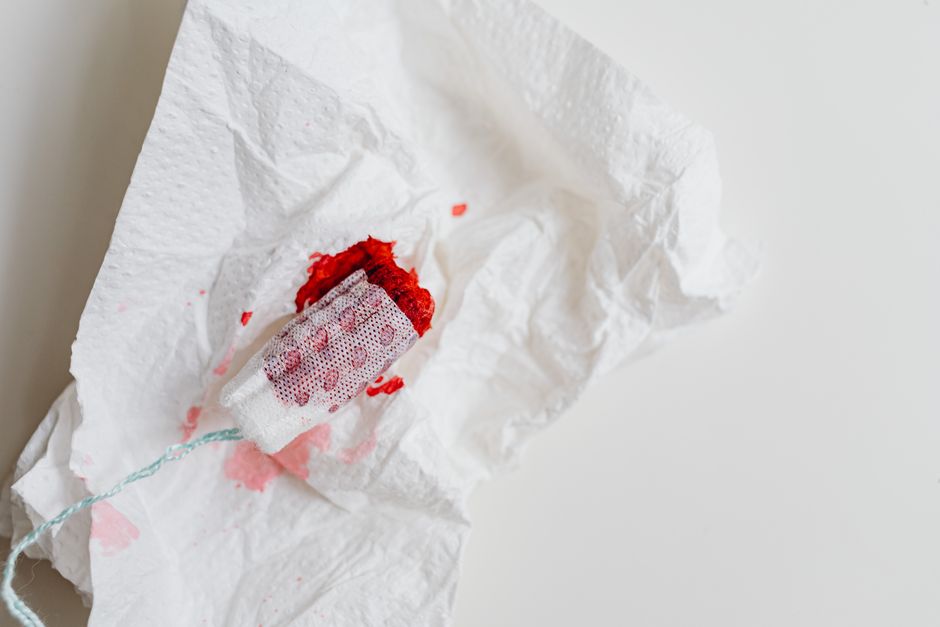
Bleeding after menopause is not normal, and it always deserves a medical evaluation. The most common reason for bleeding after menopause is vaginal atrophy, also called atrophic vaginitis, which is thinning and inflammation of the vaginal walls due to low estrogen levels. This condition accounts for a significant portion of postmenopausal bleeding cases, though other causes like endometrial atrophy and polyps are also common.
Why Does Bleeding Happen After Menopause?
Menopause officially begins 12 months after your last period. After that point, your ovaries produce very little estrogen. Estrogen is the hormone that keeps the lining of the uterus and the tissues of the vagina thick, moist, and healthy.
Without estrogen, the vaginal walls become thin, dry, and fragile. They can tear or bleed easily, especially during intercourse or even a routine exam. The uterine lining also thins out. This is called endometrial atrophy. When that thin lining sheds even slightly, it causes bleeding.
Both vaginal atrophy and endometrial atrophy are direct results of low estrogen. They are not dangerous by themselves, but they are the most frequent explanations for postmenopausal bleeding.
What Is Vaginal Atrophy Exactly?
Vaginal atrophy is a chronic condition. It develops gradually over years after menopause. The vaginal tissues lose elasticity and lubrication. The walls become pale and thin. Blood vessels sit closer to the surface, making the tissue more prone to bleeding.
Many women with vaginal atrophy experience dryness, itching, burning, or pain during sex. Some women have no symptoms at all until they notice light spotting. The bleeding is usually light and may appear as pink or brown discharge rather than bright red blood.
Vaginal atrophy is not an infection and not cancer. It is a normal physiological response to hormone changes. But it still requires a doctor’s confirmation because other conditions can cause identical symptoms.
What Else Could Cause Postmenopausal Bleeding?
Vaginal atrophy is the most common cause, but it is not the only one. Several other conditions can produce bleeding after menopause. Each has different implications for your health.
Endometrial atrophy is the thinning of the uterine lining. Like vaginal atrophy, it happens because of low estrogen. The lining becomes so thin that it can break down and bleed. This is generally harmless but needs to be distinguished from more serious conditions.
Endometrial polyps are small growths on the inner wall of the uterus. They are usually benign. Polyps contain blood vessels that can bleed when they twist or outgrow their blood supply. Polyps are common and easily removed with a minor procedure.
Endometrial hyperplasia is a thickening of the uterine lining. This condition matters because some types of hyperplasia can progress to uterine cancer. Hyperplasia often causes heavier or more frequent bleeding than atrophy does.
Uterine cancer is the most serious cause of postmenopausal bleeding. About 10 percent of women with postmenopausal bleeding are found to have uterine cancer. This is why any bleeding after menopause must be investigated rather than dismissed.
Other less common causes include cervical polyps, cervical cancer, vaginal cancer, and bleeding from hormone therapy or certain medications like blood thinners.





How Do Doctors Determine the Cause?
The evaluation for postmenopausal bleeding typically starts with a pelvic exam. Your doctor can see vaginal atrophy directly. The vaginal walls will look thin, pale, and possibly inflamed. This visual exam can confirm vaginal atrophy as a likely cause.
But a pelvic exam alone is not enough. The doctor needs to check the uterus as well. The standard first test is a transvaginal ultrasound. This imaging test measures the thickness of the uterine lining. A thin lining under 4 millimeters is reassuring and makes endometrial cancer very unlikely.
If the lining is thicker than normal, the next step is usually an endometrial biopsy. This involves taking a small sample of the uterine lining for laboratory analysis. The biopsy can determine whether the tissue is normal, hyperplastic, or cancerous.
In some cases, a hysteroscopy is used. This allows the doctor to look directly inside the uterus with a small camera. It can identify polyps or other structural issues that ultrasound might miss.
Is Postmenopausal Bleeding Ever Normal?
No. Bleeding after menopause is never considered normal. Even a single episode of spotting warrants a medical evaluation.
Some women experience light bleeding when they first start hormone therapy. This can happen in the first few months as the uterine lining adjusts. But even this should be discussed with your doctor to rule out other causes.
Women who have not had a period for more than one year should treat any vaginal bleeding as a new symptom. The amount of blood does not matter. A single spot on toilet paper is just as important as heavier bleeding.
The risk of cancer increases with age and with other factors like obesity, diabetes, and a family history of uterine or colon cancer. But every woman with postmenopausal bleeding deserves the same thorough evaluation regardless of her risk profile.
What Is the Most Common Reason for Bleeding After Menopause and How Is It Treated?
Vaginal atrophy is the most common reason for bleeding after menopause. Treatment focuses on restoring estrogen to the vaginal tissues without exposing the whole body to unnecessary hormones.
Low-dose vaginal estrogen is the standard treatment. It comes as a cream, tablet, or ring inserted directly into the vagina. The dose is small enough that very little enters the bloodstream. This makes it safer than systemic hormone therapy for many women.
Vaginal estrogen thickens the vaginal walls, restores moisture, and reduces fragility. Bleeding from atrophy usually stops within weeks of starting treatment. Many women also notice improvement in dryness and discomfort during intercourse.
For women who prefer not to use hormones, vaginal moisturizers and lubricants can help with symptoms. However, they do not treat the underlying thinning of the tissue. They provide temporary relief but do not stop the bleeding that comes from fragile tissues.
If the bleeding is caused by endometrial atrophy, no treatment may be needed once cancer is ruled out. The bleeding stops on its own in most cases. Polyps are removed surgically. Hyperplasia may be treated with progestin therapy or surgery depending on the type.
When Should You Seek Immediate Care?
Any postmenopausal bleeding requires an appointment with your doctor within a few weeks. But some situations call for faster attention.
Seek urgent care if you have heavy bleeding that soaks through a pad every hour for more than two hours. Also seek urgent care if bleeding is accompanied by severe pelvic pain, fever, or dizziness. These symptoms could indicate a more serious condition that needs immediate evaluation.
Light spotting or pink discharge can wait for a scheduled appointment, but do not delay making that appointment. Early detection of endometrial cancer dramatically improves outcomes. Most cases of endometrial cancer are found at an early stage precisely because women report postmenopausal bleeding promptly.
Can Postmenopausal Bleeding Be Prevented?
Vaginal atrophy cannot be fully prevented, but its effects can be minimized. Regular sexual activity or vaginal stimulation helps maintain blood flow to the tissues. Using vaginal moisturizers regularly can keep tissues more supple.
There is no proven way to prevent endometrial polyps or hyperplasia. Maintaining a healthy weight reduces the risk of endometrial cancer because fat tissue produces estrogen. Women who smoke should quit, as smoking increases the risk of many gynecologic cancers.
The most important prevention is not skipping your evaluation. Postmenopausal bleeding is a warning sign your body gives you. Acting on it quickly is the single best thing you can do for your health.
Frequently Asked Questions
Is spotting after menopause always a sign of cancer?
No. Most cases of postmenopausal bleeding are caused by benign conditions like vaginal atrophy or polyps. However, about 10 percent are caused by uterine cancer, which is why medical evaluation is essential.
How much bleeding after menopause is concerning?
Any amount of bleeding after menopause is concerning, even a single spot. The amount of blood does not predict the cause, so all bleeding should be evaluated by a doctor.
Can hormone therapy cause bleeding after menopause?
Yes. Some forms of hormone therapy can cause bleeding, especially in the first few months of use. This should still be evaluated to rule out other causes, and you should inform your doctor about any bleeding while on hormone therapy.
What tests are done for postmenopausal bleeding?
A pelvic exam and transvaginal ultrasound are typically the first tests. If the uterine lining is thickened, an endometrial biopsy is performed to check the tissue for abnormal cells.
