
Menopause is officially diagnosed after you have gone 12 full months without a menstrual period. The signs you notice before that point, during the transition called perimenopause, are what most women actually experience first. These signs stem from fluctuating and eventually declining estrogen levels, and they can begin years before your final period.
What Are the Most Common Signs of Menopause?
The most recognized sign is a change in your menstrual cycle. Periods may become irregular, heavier, lighter, or skip months entirely. This is often the first clue that hormone levels are shifting.
Vasomotor symptoms, commonly known as hot flashes and night sweats, are the next most frequent complaints. A hot flash is a sudden feeling of intense heat that spreads across the upper body and face. It can last from a few seconds to several minutes. When these occur during sleep, they are called night sweats and can disrupt rest significantly.
Sleep disturbances are also common. Some women wake frequently even without night sweats. This can lead to fatigue and irritability during the day, which compounds other symptoms.
When Do the Signs of Menopause Typically Start?
Perimenopause usually begins in a woman’s mid-to-late 40s, though it can start earlier for some. The average age for the final menstrual period in the United States is around 52, but it is normal for it to happen anywhere between 45 and 55.
The transition period itself lasts about four years on average, but it can last up to a decade. The severity of symptoms varies widely. Some women have minimal disruption, while others find their daily lives significantly affected.
If your periods stop before age 40, that is considered premature menopause and warrants a discussion with your healthcare provider. This is not a typical timeline and requires medical evaluation.
Vaginal and Urinary Changes During Menopause
Falling estrogen levels affect tissues that depend on this hormone for health. The vaginal walls become thinner, drier, and less elastic. This can cause discomfort during intercourse and increase the risk of irritation.
Urinary changes are equally common but less frequently discussed. The lining of the urethra also thins, which can lead to urgency, frequent urination, or an increased risk of urinary tract infections. Some women experience stress incontinence, which is leaking urine when coughing, sneezing, or laughing.
These changes are directly linked to estrogen decline, not aging alone. They are treatable, and you should not accept them as something you simply have to live with.





Emotional and Cognitive Symptoms: What the Evidence Shows
Mood changes and cognitive complaints are frequently reported during the menopausal transition. Irritability, anxiety, and low mood are common. However, the evidence on whether menopause directly causes clinical depression is mixed.
Research consistently shows that sleep disruption plays a major role in mood symptoms. If you are not sleeping well, your emotional resilience drops. This is a well-established connection.
Brain fog, or difficulty concentrating and remembering words, is another common complaint. Studies suggest that some women experience verbal memory changes during perimenopause. These cognitive effects are usually subtle and tend to improve after the transition is complete. They are not a sign of early dementia.
Physical Changes and Long-Term Health Risks
Estrogen influences how your body stores fat. During menopause, many women notice an increase in abdominal fat, even if their weight stays the same. This shift in fat distribution is linked to the hormonal change, not just lifestyle.
Bone density also declines more rapidly in the years immediately following menopause. Estrogen helps protect bone. When levels drop, bone resorption outpaces bone formation. This increases the risk of osteoporosis and fractures later in life.
Cardiovascular risk rises after menopause as well. The reasons are complex and include the direct effects of estrogen loss on blood vessels and the changes in cholesterol profiles that accompany it. This is why heart health becomes a central focus for women in their 50s and beyond.
Signs of Menopause That Are Easy to Miss
Some symptoms are less obvious but still tied to hormonal shifts. Joint pain and muscle aches are reported by many women during perimenopause, though the exact mechanism is not fully understood.
Skin changes can also occur. Thinner skin, increased dryness, and changes in hair texture or volume are often noted. These are gradual and easy to attribute to aging alone, but the hormonal component is real.
Changes in body odor and a metallic taste in the mouth are occasionally reported. These are less studied but are recognized by clinicians as part of the symptom spectrum for some women.
One clarification that often surprises women: you can still become pregnant during perimenopause. Periods may be irregular, but ovulation can still occur. If pregnancy is not desired, contraception remains necessary until you have officially reached menopause, meaning 12 consecutive months without a period.
How to Distinguish Menopause Signs From Other Conditions
Many menopause symptoms overlap with those of other medical conditions. Thyroid disorders, for example, can cause irregular periods, mood changes, and fatigue. An underactive thyroid is common in women in this age range and is easily diagnosed with a blood test.
Anemia from heavy menstrual bleeding can cause fatigue and brain fog that mimics menopause symptoms. If your periods have become significantly heavier, this is worth checking.
If your symptoms are sudden, severe, or accompanied by concerning signs like chest pain, severe headaches, or vision changes, seek medical attention promptly. These are not typical menopause symptoms and need evaluation.
The general rule is this: do not assume every symptom you have is menopause. A healthcare provider can run basic tests to rule out other causes before you commit to a treatment plan.
Are There Treatments for Menopause Symptoms?
Yes, there are effective treatments. Hormone therapy, which replaces estrogen and sometimes progesterone, is the most effective option for hot flashes and night sweats. It also helps prevent bone loss.
Hormone therapy is not right for everyone. Women with a history of breast cancer, certain heart conditions, or blood clots may not be candidates. The decision is highly individual and should be made with your healthcare provider after discussing your personal risk profile.
For women who cannot or choose not to use hormones, other options exist. Certain antidepressants at low doses have been shown to reduce hot flashes. Gabapentin, a medication originally used for seizures, also helps some women.
Non-prescription approaches have mixed evidence. Some studies suggest that cognitive behavioral therapy can help with sleep and mood. Data on herbal supplements like black cohosh and soy isoflavones is inconsistent, and no supplement has been proven to reliably treat hot flashes in large clinical trials.
What Can You Do to Manage Symptoms Day to Day
Lifestyle measures can make a real difference, even if they do not eliminate symptoms completely. Dressing in layers allows you to remove clothing quickly during a hot flash. Keeping your bedroom cool can reduce night sweats.
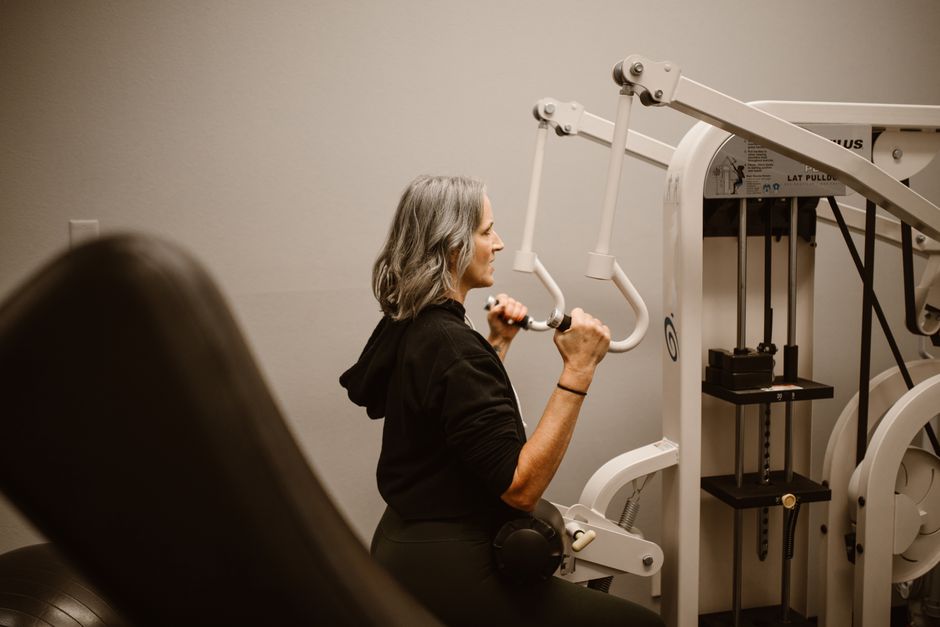
Regular physical activity supports bone health, cardiovascular health, and mood. Weight-bearing exercises like walking or strength training are particularly beneficial for bone density.
Adequate calcium and vitamin D intake matters for bone health. The recommended daily intake for women over 50 is 1,200 mg of calcium and 600-800 IU of vitamin D, though your provider may recommend different amounts based on your individual needs.
Limiting alcohol and caffeine may help some women who find these trigger hot flashes. The evidence here is not strong, but it is a low-risk change to test for yourself.
Frequently Asked Questions
What is the first sign of menopause?
Irregular periods are usually the first sign. Cycle length may vary, or you may skip periods entirely before they stop for good.
Can menopause symptoms start in your 30s?
Yes, but it is uncommon. Early perimenopause can begin in the late 30s for some women, though the average onset is the mid-40s.
How long do menopause symptoms last?
Hot flashes and night sweats typically last for about seven years total, though some women experience them for longer. Other symptoms like vaginal dryness can persist indefinitely without treatment.
Can you get pregnant during perimenopause?
Yes. Irregular periods do not mean ovulation has stopped, so pregnancy is still possible until you have gone 12 full months without a period.
