
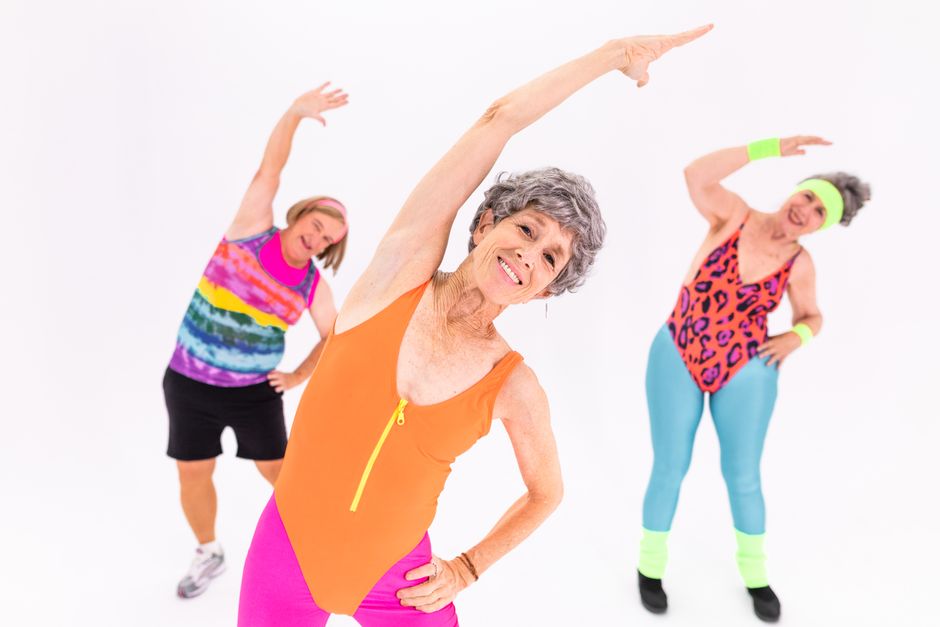
After menopause, dropping estrogen levels speed up bone loss, making osteoporosis a real risk for millions of women. The good news is that osteoporosis is not an inevitable part of aging. You can take meaningful steps to protect your bones, and it starts with understanding what your body needs now. The core of prevention rests on three pillars: getting enough bone-building nutrients, doing the right types of exercise, and working with your doctor to assess your personal risk.
Why Does Menopause Change Your Bones?
Your bones are living tissue. They constantly break down old bone and build new bone. For most of your life, this process stays balanced. Estrogen acts like a guardian for your skeleton, helping to regulate the cells that break down bone. When estrogen levels drop during menopause, that guardian steps away. The result is that bone breakdown outpaces bone formation.
This shift happens quickly. In the first few years after menopause, women can lose bone at an accelerated rate. This is why doctors often talk about the “bone health window” around menopause. It is not a reason to panic. It is a reason to act. The structure you build and maintain in these years will support you for decades to come.
How Much Calcium and Vitamin D Do You Really Need?
Calcium and vitamin D are the two nutrients that get the most attention for bone health. That attention is justified, but the details matter.
Your body needs calcium to build bone, but it cannot absorb calcium without vitamin D. Vitamin D helps your intestines pull calcium from food into your bloodstream. If you do not have enough vitamin D, the calcium you consume mostly passes through you.
For women over 50, the general recommendation is about 1,200 milligrams of calcium per day from all sources. Food should come first. Dairy products, leafy greens like kale and collard greens, and fortified foods all count. If you rely on supplements, choose calcium citrate or calcium carbonate and split the dose. Your body absorbs calcium better in amounts of 500 milligrams or less at one time.
Vitamin D needs are less precise because your skin makes it from sunlight. For most postmenopausal women, a daily intake of 800 to 1,000 international units is a common target. If you are deficient, your doctor may recommend a higher dose. A simple blood test can tell you where you stand. Do not guess on this one. Too little vitamin D is common, and too much can be harmful.
What Type of Exercise Actually Prevents Bone Loss?
Exercise does not just build muscle. It builds bone. Bone responds to physical stress. When you load your skeleton, the cells that build bone get switched on. The key is that not all exercise is equal for bone health.
Weight-bearing exercises are the ones that matter most. These are activities where your feet and legs support your body weight. Walking is weight-bearing, but it is not enough on its own. The impact from walking is relatively low. To trigger bone-building, you need higher impact or higher resistance.
The two types of exercise that have the strongest evidence for bone health are:
- Impact exercises: Jumping, hopping, skipping, and stair climbing. These create the mechanical strain that signals bone to strengthen.
- Resistance training: Lifting weights, using resistance bands, or doing bodyweight exercises like squats and push-ups. The pull of muscle on bone is a powerful stimulus.
Aim for a combination of both. You do not need to become a powerlifter. Two to three sessions of resistance training per week, plus some impact activity, is a reasonable starting point. If you already have osteoporosis or low bone density, talk to your doctor before starting a high-impact program. Some impact can be unsafe for fragile bones.




Prevent Osteoporosis After Menopause With These Lifestyle Changes
Beyond nutrients and exercise, your daily habits shape your bone health. Some of these factors are within your control, and they add up over time.
Smoking is directly toxic to bone cells. It also lowers estrogen levels, which compounds the problem after menopause. If you smoke, quitting is one of the most powerful things you can do for your skeleton.
Alcohol matters too. Heavy drinking interferes with calcium absorption and disrupts the bone remodeling process. If you drink, keep it moderate. That generally means no more than one drink per day.
Body weight plays a role. Very low body weight is a risk factor for osteoporosis. Fat tissue produces a small amount of estrogen, and having too little body fat means less estrogen protection. This does not mean you should gain weight. It means that extreme thinness is not protective for bones.
Watch your protein intake. Bones are about one-third protein by volume. Low protein intake is linked to poorer bone health, especially in older adults. Include lean meats, fish, eggs, beans, or dairy at most meals.
Medication Options: When Lifestyle Is Not Enough
Lifestyle changes are the foundation, but they are not always sufficient. Some women have genetic risk factors, early menopause, or existing bone loss that requires medication. This is not a failure. It is good medicine.
Bone density testing, called a DEXA scan, measures your bone mineral density. This test gives your doctor a number called a T-score. A T-score of -2.5 or lower indicates osteoporosis. A T-score between -1 and -2.5 indicates low bone density, sometimes called osteopenia.
If your T-score shows osteoporosis, or if you have low bone density plus other risk factors, your doctor may recommend medication. The most common class of drugs are bisphosphonates. These medications slow down the cells that break down bone. Other options include drugs that act like estrogen, drugs that build new bone, and injectable medications.
These medications are not interchangeable with lifestyle changes. They are additions. Even on medication, you still need adequate calcium, vitamin D, and exercise. The medication slows the loss, but your lifestyle supports the overall structure.
What About Natural Supplements and Alternative Treatments?
The supplement market is full of products claiming to support bone health. Most of them are not backed by strong evidence. This is an area where marketing runs far ahead of science.
Soy isoflavones are often promoted for bone health because they mimic estrogen in the body. Some research suggests they may have a modest effect on bone density, but the results are inconsistent. No major clinical guidelines currently recommend soy isoflavones as a treatment for osteoporosis.
Other supplements like strontium, magnesium, and vitamin K2 have some theoretical benefits. However, no large human trials have confirmed that these supplements prevent fractures. If you take them, treat them as additions to your core plan, not replacements.
The honest position is this: no supplement can replace the combination of adequate calcium, vitamin D, resistance exercise, and, when needed, prescription medication. If a product promises to rebuild your bones quickly, that claim has no basis in clinical evidence.
When Should You Get a Bone Density Test?
The decision to get a bone density test depends on your risk factors. The general guidance is that all women should be screened starting at age 65. But you may need testing earlier if you have specific risk factors.
These risk factors include:
- Early menopause, especially before age 45
- A family history of osteoporosis or hip fracture
- Long-term use of steroid medications like prednisone
- Rheumatoid arthritis or other inflammatory conditions
- A history of fractures from minor falls
- Low body weight or significant weight loss
If you fall into any of these categories, talk to your doctor about earlier screening. A bone density test is quick, painless, and low in radiation. It gives you and your doctor the information needed to make real decisions. Without it, you are guessing.
Frequently Asked Questions
Can you reverse osteoporosis after menopause?
You cannot fully reverse osteoporosis, but you can slow or stop bone loss and, in some cases, modestly increase bone density with medication and lifestyle changes. The goal of treatment is to prevent fractures, not to restore bone to a young adult level.
What is the best exercise to prevent osteoporosis after menopause?
Resistance training and high-impact weight-bearing exercise have the strongest evidence for building bone. Squats, lunges, jumping, and stair climbing are all effective options when done safely.
How much calcium should a postmenopausal woman take daily?
The general target is about 1,200 milligrams of calcium per day from food and supplements combined. Most women can meet a large portion of this through diet, and supplements should be used only to fill the gap.
Is walking enough to prevent osteoporosis?
Walking is good for your heart and overall health, but it does not provide enough impact or resistance to significantly strengthen bone. You need to add resistance training or higher-impact activities to see meaningful bone benefits.
