
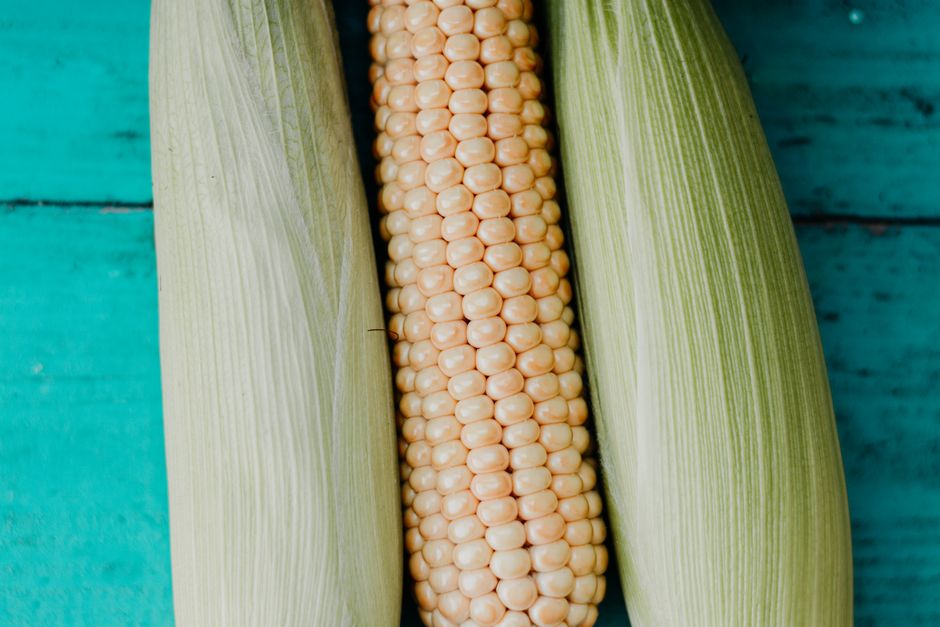
Boiling corn on the cob takes 3 to 5 minutes once the water is at a full rolling boil. Drop the shucked ears into boiling water, cover the pot, and remove the corn after 4 minutes for the best texture. Overcooking makes the kernels tough and mushy, so set a timer the moment the corn goes in.
How Long To Cook Corn On The Cob Boil
The short answer is 3 to 5 minutes. Most home cooks land on 4 minutes as the sweet spot. The corn is already technically edible raw, so boiling is about warming it through and softening the starches slightly.
Start with a large pot of salted water at a full rolling boil. Add the shucked corn, cover, and bring the water back to a boil as quickly as possible. Once it is boiling again, start your timer. Three minutes gives you crisp kernels. Five minutes gives you softer corn. Anything beyond 8 minutes risks turning the kernels tough and chewy.
Fresh corn needs less time than older corn. Corn that was picked days ago has started converting its sugars to starch, which changes the texture and requires slightly longer cooking. Even so, do not exceed 8 minutes.
Does Adding Sugar Or Salt To The Water Matter
Salt in the water seasons the kernels from the outside in. Use about 1 tablespoon of salt per gallon of water. The salt does not make the corn salty in an unpleasant way. It enhances the natural sweetness.
Sugar in the water is a common tip, but it is mostly unnecessary. Fresh sweet corn already contains enough natural sugar. Adding sugar to the water can make the corn taste artificially sweet and it does not penetrate the kernels the way salt does. Skip it unless you are cooking older, less sweet corn.
Do not add baking soda to the water. Some old recipes suggest it to keep corn tender, but baking soda destroys thiamine, a B vitamin, and can give the corn a soapy taste.
Should You Boil Corn With The Husks On Or Off
Remove the husks and silk before boiling. Boiling corn with the husks on takes longer and makes the corn harder to handle. The husks trap heat and steam, which can overcook the kernels before the inside is warm.
Shuck the corn right before cooking. Peel back the husks, pull off all the silk, and snap off the stem end. Rinse the ear briefly under cool water to remove any stray silk threads. Cut off any blemished kernels with a paring knife.
If you prefer to cook corn in the husk, grilling or roasting is a better method. The husk protects the kernels from direct heat and adds a subtle smoky flavor. Boiling does not benefit from the husk the same way.




What Is The Best Pot Size And Water Level
Use a pot large enough that the corn is fully submerged. A standard 6 to 8 quart stockpot works for 4 to 6 ears. If you are cooking more corn than fits in one layer, cook it in batches rather than crowding the pot.
Fill the pot about three-quarters full with water. Leave room for the water to boil without splashing over the sides. The water should cover the corn completely. If the ears float, press them down with a spoon or lid for the first minute.
Bring the water to a full rolling boil before adding the corn. Adding corn to cold water and bringing it up to temperature slowly makes the kernels waterlogged and mealy. The rapid boil sets the texture.
How To Tell When Boiled Corn Is Done
Pierce a kernel with a fork or knife tip. The kernel should be tender but still hold its shape. If the kernel bursts easily and the juice runs clear, the corn is done. If the kernel is hard and resists the fork, give it another minute.
The color is another clue. Raw corn kernels are pale yellow. As they cook, they deepen to a brighter, more saturated yellow. The kernels also plump up slightly as they absorb water.
Do not rely on the corn floating to the surface as a doneness signal. Floating is related to trapped air and temperature, not doneness. Use the timer and the fork test instead.
What Happens If You Overcook Boiled Corn
Overcooked corn becomes tough. The heat causes the pectin in the kernel cell walls to break down and then firm up again. The kernels shrink slightly and develop a chewy, rubbery texture. The natural sugars also caramelize and can turn bitter.
The starch in the kernels gelatinizes and then begins to break down with prolonged heat. This is why corn boiled for 20 minutes tastes flat and starchy compared to corn boiled for 4 minutes. The bright, sweet flavor fades quickly.
If you accidentally overcook the corn, you cannot fix the texture. You can salvage the flavor by adding butter, salt, and fresh herbs, but the kernels will remain tough. This is why the timer matters.
Can You Boil Frozen Corn On The Cob The Same Way
Frozen corn on the cob needs more time than fresh corn. Add 1 to 2 minutes to the cooking time. Frozen corn is typically blanched before freezing, so it is already partially cooked. The extra time is just to thaw and reheat the kernels through.
Do not thaw frozen corn before boiling. Dropping it straight into boiling water preserves the texture. Thawed corn becomes mushy because the ice crystals damage the cell walls during freezing, and reheating makes it worse.
Boil frozen corn for 5 to 6 minutes. Check doneness with the same fork test. The kernels should be tender and pop easily when pierced.
What Is The Best Way To Serve Boiled Corn
Remove the corn from the pot with tongs and let it drain for a few seconds. Serve immediately while it is still hot. Boiled corn cools quickly, and the texture changes as it sits.
Butter and salt are the classic toppings. You can also brush the corn with melted butter and roll it in grated Parmesan cheese, chili powder, or fresh herbs. Lime juice and cotija cheese make a Mexican-style elote. Chopped fresh cilantro and a squeeze of lemon work well too.
Leftover boiled corn keeps in the refrigerator for 3 to 4 days in an airtight container. Reheat it by dropping it into boiling water for 1 minute or by microwaving it wrapped in a damp paper towel for 1 to 2 minutes. Do not re-boil it for longer than a minute or the kernels will toughen.
Is Boiling The Best Cooking Method For Corn
Boiling is the fastest and most reliable method, but it is not the only good option. Grilling adds smoky flavor and caramelizes the natural sugars. Roasting in the oven at 400°F for 25 to 30 minutes with the husks on produces tender, sweet kernels. Microwaving shucked corn in a damp paper towel for 3 to 4 minutes per ear works in a pinch.
Steaming is a gentler alternative to boiling. Place the shucked corn in a steamer basket over 1 inch of boiling water and cover. Steam for 4 to 6 minutes. Steamed corn retains slightly more water-soluble nutrients than boiled corn because the kernels do not sit directly in the water.
Boiling remains the best choice when you need consistent results quickly. It is simple, requires minimal equipment, and works for any quantity. The tradeoff is that some water-soluble vitamins, like vitamin C and several B vitamins, leach into the cooking water. If you want to keep those nutrients, use the cooking water for soup or stock.
Frequently Asked Questions
How long do you boil corn on the cob?
Boil shucked corn for 3 to 5 minutes in salted water at a full rolling boil. Four minutes gives the best balance of tender kernels and sweet flavor.
How long should corn on the cob boil from frozen?
Frozen corn on the cob needs 5 to 6 minutes in boiling water. Add the frozen ears directly to the pot without thawing for the best texture.
How do you know when boiled corn is done?
Pierce a kernel with a fork. The corn is done when the kernel is tender and releases clear juice but still holds its shape.
Can you boil corn on the cob too long?
Yes. Boiling longer than 8 minutes makes the kernels tough, chewy, and less sweet. Set a timer and remove the corn promptly.
