
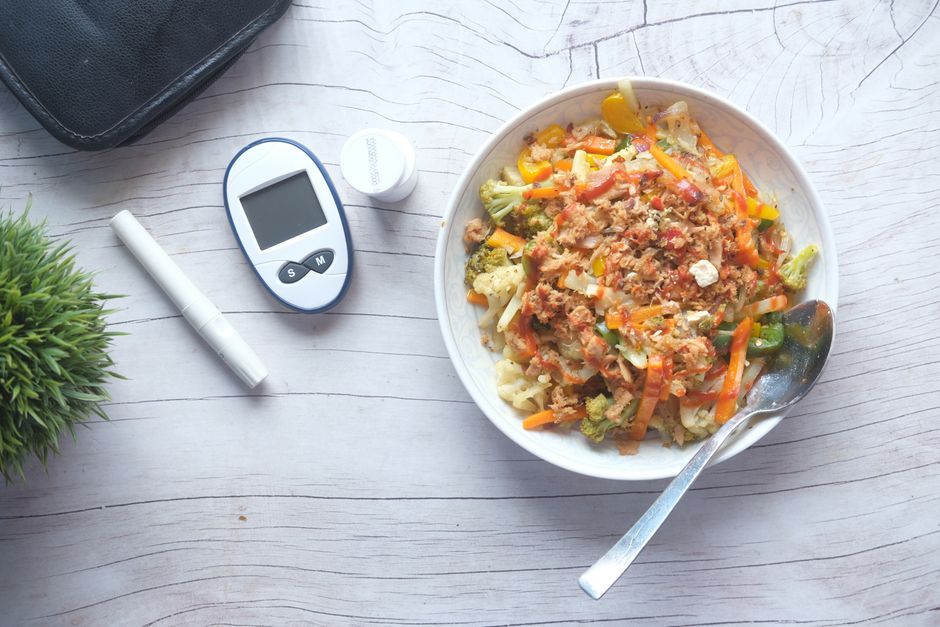
The best foods for a diabetic are those that keep blood sugar steady while providing real nutrition. This means prioritizing non-starchy vegetables, whole fruits, legumes, nuts, seeds, and lean proteins, while limiting refined grains and added sugars. No single food fixes diabetes, but building meals around these core groups is the most reliable strategy supported by clinical evidence.
What Are The Best Foods For A Diabetic?
The most effective foods for managing diabetes are those with a low glycemic impact and high nutrient density. These foods digest slowly, which prevents sharp spikes in blood glucose. They also tend to be rich in fiber, which slows sugar absorption, and healthy fats, which support satiety.
Focus on these categories: leafy greens and non-starchy vegetables, whole fruits like berries and apples, legumes such as lentils and chickpeas, whole grains like oats and quinoa, fatty fish, nuts, and seeds. These foods are consistently associated with better blood sugar control in clinical studies.
What you eat matters, but so does what you avoid. Sugary drinks, refined white bread, pastries, and heavily processed snacks cause rapid glucose rises. Replacing those with whole-food alternatives is the single most impactful dietary change for most people with type 2 diabetes.
How Do These Foods Affect Blood Sugar?
Carbohydrates are the main driver of blood sugar. When you eat carbs, your body breaks them down into glucose, which enters the bloodstream. Insulin then helps move that glucose into cells for energy. In diabetes, this process is impaired, so glucose stays in the blood longer than it should.
Fiber changes this equation. Soluble fiber, found in oats, beans, and apples, forms a gel-like substance in the gut that slows digestion. This means glucose enters the bloodstream more gradually. The result is a lower, slower rise in blood sugar after meals.
Protein and fat also slow gastric emptying. A meal with chicken, olive oil, and vegetables will raise blood sugar more slowly than the same amount of carbohydrates eaten alone. This is why balanced meals are consistently recommended over carb-heavy ones.
Which Vegetables Should Diabetics Prioritize?
Non-starchy vegetables are the foundation of a diabetes-friendly diet. These include leafy greens like spinach and kale, broccoli, cauliflower, zucchini, peppers, and asparagus. They are low in carbohydrates and calories but high in vitamins, minerals, and antioxidants.
Starchy vegetables like potatoes, corn, and peas are different. They contain more carbohydrates and raise blood sugar more quickly. You do not need to eliminate them entirely, but portion control matters. A serving of starchy vegetables is about half a cup, compared to two cups for leafy greens.
A practical rule: fill half your plate with non-starchy vegetables at lunch and dinner. This automatically reduces the space for higher-carb foods and increases your fiber intake without requiring complex calculations.





Are Fruits Safe for Diabetics?
Yes. Whole fruits are safe and beneficial for most people with diabetes. The fiber in whole fruit slows sugar absorption, and the natural sugars are packaged with water, vitamins, and phytochemicals. This is very different from fruit juice, which removes the fiber and delivers a rapid sugar load.
Berries stand out. Strawberries, blueberries, and raspberries are relatively low in sugar and high in fiber and antioxidants. Research consistently links berry consumption with improved insulin sensitivity. Apples, pears, and citrus fruits are also good choices.
Dried fruits and fruit juices are the exceptions. Dates, raisins, and dried apricots concentrate sugar into small volumes. A small handful of raisins contains as much sugar as a full cup of grapes. If you choose dried fruit, keep portions very small and pair it with protein or fat.
What About Whole Grains?
Whole grains are better than refined grains, but they still contain carbohydrates. The key difference is the bran and germ, which provide fiber and slow digestion. Steel-cut oats, quinoa, barley, and brown rice are all solid options.
Refined grains like white bread, white rice, and most pastas have been stripped of their fiber. They digest quickly and cause rapid blood sugar spikes. Swapping white rice for brown rice or quinoa is a simple change with measurable benefits.
One caution: whole grain products are not automatically healthy. Many commercial whole wheat breads contain added sugars and minimal actual whole grains. Check the ingredient list. The first ingredient should be a whole grain, and added sugar should be low or absent.
Which Proteins and Fats Are Best?
Protein does not raise blood sugar directly, and it helps you feel full. Fatty fish like salmon, sardines, and mackerel provide omega-3 fatty acids, which support heart health. People with diabetes have a higher risk of cardiovascular disease, so this matters.
Plant proteins are also excellent. Lentils, chickpeas, black beans, and tofu provide protein and fiber together. Legumes have a particularly low glycemic response because their carbohydrate is packaged with substantial fiber and protein.
Healthy fats from olive oil, avocados, nuts, and seeds support blood sugar control by slowing digestion. They also improve cholesterol profiles. A handful of almonds or walnuts is a good snack choice. Avoid trans fats and limit saturated fats from processed meats and fried foods.
What Foods Should Diabetics Limit or Avoid?
Sugary beverages are the worst offender. Regular soda, sweet tea, fruit punch, and sports drinks deliver large amounts of liquid sugar that spikes blood glucose within minutes. These drinks provide no nutritional benefit and are strongly linked to worse diabetes outcomes.
Refined carbohydrates are next. White bread, white rice, pastries, and most breakfast cereals are quickly digested. They raise blood sugar rapidly and provide little fiber or nutrients. Even many “healthy” cereals contain 10-15 grams of sugar per serving.
Processed meats like bacon, sausage, and deli turkey are not directly linked to blood sugar, but they increase cardiovascular risk, which is already elevated in diabetes. Highly processed snack foods like chips, crackers, and cookies often combine refined flour, unhealthy fats, and added sugars in one package.
How Should Diabetics Structure Their Meals?
Meal composition matters as much as food choice. A balanced plate approach is widely recommended: half the plate non-starchy vegetables, a quarter lean protein, and a quarter whole grains or starchy vegetables. This structure naturally controls portions and blood sugar response.
Eating order also appears to matter. Some studies suggest that eating protein and vegetables before carbohydrates results in a smaller blood sugar rise after the meal. The evidence is preliminary but consistent enough that many clinicians mention it as a harmless, potentially helpful strategy.
Consistency is more important than perfection. Eating at regular intervals and keeping carbohydrate intake relatively stable from day to day helps blood sugar management. Skipping meals often leads to overeating later, which causes larger glucose swings.
Does the Glycemic Index Matter?
The glycemic index (GI) ranks foods by how quickly they raise blood sugar compared to pure glucose. Low-GI foods like lentils, barley, and most fruits raise blood sugar slowly. High-GI foods like white bread and watermelon raise it quickly.
GI is useful but has limitations. It measures single foods in isolation, not mixed meals. A high-GI food eaten with protein and fat will have a different effect than when eaten alone. Also, ripeness, cooking method, and processing all change a food’s GI.
Glycemic load is a more practical measure because it accounts for portion size. It multiplies the GI by the carbohydrate content of a serving. Watermelon has a high GI but a low glycemic load because it is mostly water. In practice, focusing on whole foods and fiber is more reliable than memorizing GI numbers.
Frequently Asked Questions
Can diabetics eat fruit every day?
Yes, whole fruit is safe and recommended in moderate portions. Choose berries, apples, and citrus over dried fruits and fruit juices, which concentrate sugar.
Is brown rice better than white rice for diabetes?
Yes, brown rice has more fiber and a slower effect on blood sugar than white rice. Portion size still matters, so keep servings around half a cup cooked.
What is the best snack for a diabetic?
Snacks combining protein, fiber, and healthy fat work best, such as an apple with peanut butter, a handful of almonds, or Greek yogurt with berries. These combinations slow sugar absorption and keep you full longer.
Are eggs safe for diabetics?
Yes, eggs are a good protein source and do not raise blood sugar. Current evidence does not link moderate egg consumption to increased heart disease risk in people with diabetes.
