
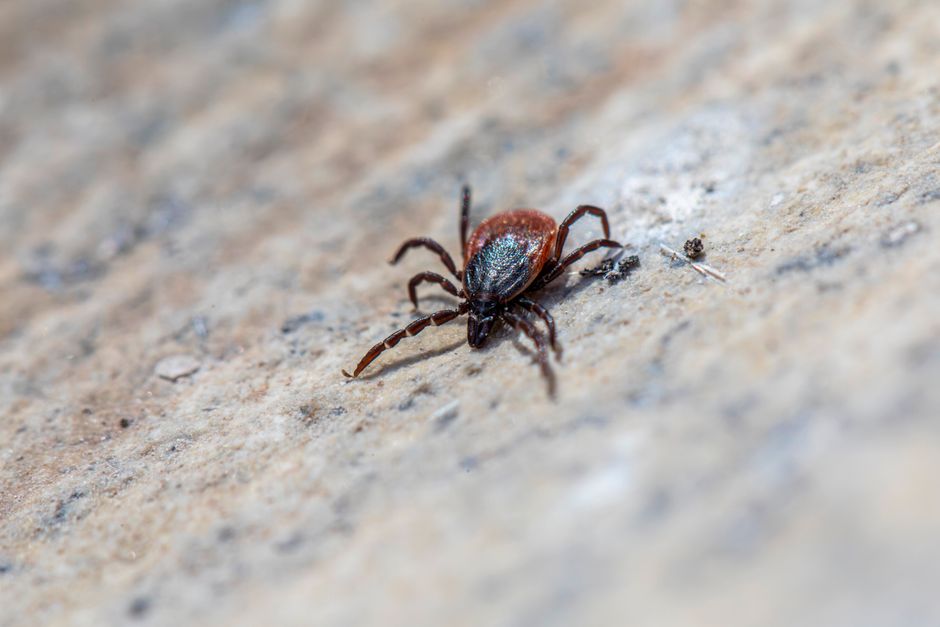
When you squash a bug and see red, it is natural to assume it is blood. But for most insects and spiders, that red liquid is not blood at all. True red blood, with iron-based hemoglobin, is found in vertebrates. Most bugs have a different fluid called hemolymph, which is usually clear, yellow, or green. However, a few creatures that people commonly call bugs do have red blood, and some insects produce red fluids for other reasons that look exactly like blood.
Which Bugs Actually Have Red Blood?
The short answer is that true bugs with red blood are rare. The most notable examples are not insects at all. They are marine animals like horseshoe crabs, which have blue blood due to copper-based hemocyanin. Earthworms, leeches, and some marine worms have red blood because they use hemoglobin just like humans do.
Among land-dwelling arthropods, true red blood is essentially absent. Insects, spiders, and crustaceans rely on hemolymph. This fluid does not carry oxygen in the same way blood does. It serves other roles like transporting nutrients and waste. The color of hemolymph can vary, but it is rarely red.
So if you kill a mosquito, a fly, or a beetle and see red, you are not seeing its blood. You are likely seeing the blood of a vertebrate host it recently fed on. This is especially true for mosquitoes, ticks, and bed bugs that feed on mammals.
Why Is Insect Blood Not Red?
Human blood is red because of hemoglobin. Hemoglobin is a protein that contains iron. When iron binds with oxygen, it reflects red light. This system is highly efficient for transporting oxygen through the body.
Insects do not need hemoglobin for oxygen transport. Their respiratory system is completely different. Insects breathe through a network of tubes called tracheae. These tubes deliver oxygen directly to tissues without using blood as a carrier. As a result, their circulatory fluid does not need to perform that job.
Insect hemolymph is mostly water with some cells called hemocytes. Hemocytes function in immune defense and clotting. The fluid itself is often colorless or has a yellowish or greenish tint. The green color can come from plant pigments in the insect’s diet. The yellow color often comes from waste products.
What Is the Red Liquid You See When You Kill a Bug?
If the red liquid is not blood, what is it? There are several explanations depending on the bug you killed.
For blood-feeding insects like mosquitoes, bed bugs, and ticks, the red fluid is the blood of a previous host. A mosquito that has recently fed on a human or animal will have a swollen abdomen full of red blood. If you squash it, that blood spills out. This is the most common reason people think bugs have red blood.
Some insects produce red defensive fluids. Certain beetles, like ladybugs, release a yellow-orange fluid from their leg joints when disturbed. This is called reflex bleeding. It contains bitter chemicals that deter predators. The color can sometimes appear reddish, especially in larger amounts.
Some true bugs, like certain species of assassin bugs, can regurgitate red fluids. This is not blood. It is a mix of digestive fluids and partially digested prey. The appearance can be misleading.




Do Any Insects Have Red Blood?
There are a few exceptions worth noting. Some insect larvae, particularly certain midges, have hemoglobin-like molecules in their hemolymph. The most famous example is the bloodworm, which is the larva of a midge in the family Chironomidae.
Bloodworms live in muddy, oxygen-poor environments. They produce hemoglobin to survive in these conditions. This hemoglobin gives them a bright red color. If you cut one open or crush one, you will see red fluid. However, bloodworms are aquatic larvae, not the bugs most people encounter in their homes.
Some other aquatic insect larvae also contain hemoglobin. These include certain fly larvae and some aquatic beetles. But these are exceptions, not the rule. The vast majority of terrestrial insects do not have red blood.
Why Do Some People Believe Bed Bugs Have Red Blood?
Bed bugs are a common source of confusion. People find red stains on sheets and assume it is bed bug blood. The reality is more complex.
Bed bugs feed on blood. After feeding, they digest it and excrete the waste. This waste is dark and can appear reddish-brown. The stains on sheets are often bed bug feces, not blood. These fecal spots are small, dark, and can smear when touched.
If you crush a bed bug that has recently fed, red blood will spill out. But that blood came from the person the bed bug bit. The bed bug itself does not produce red blood. Its hemolymph is clear or pale.
Are There Bugs With Blue or Green Blood?
Yes. While red blood is rare in bugs, other colors are not. Horseshoe crabs have blue blood. This is because they use hemocyanin, a copper-based protein, to transport oxygen. When oxygenated, hemocyanin appears blue.
Some spiders and crustaceans also have blue or pale blue hemolymph. The color depends on the presence of hemocyanin and other pigments. Green hemolymph can occur in some insects due to biliverdin, a green pigment that is a breakdown product of heme. Heme is the iron-containing molecule in hemoglobin.
These color variations are fascinating but have no direct health implications for humans. The color of a bug’s blood or hemolymph does not affect whether it can bite or transmit disease.
What Should You Do If You Find Red Stains From Bugs?
Finding red stains in your home can be alarming. The first step is to identify the source.
If the stains are on your sheets and you have been waking up with itchy bites, bed bugs are a possibility. Look for other signs like shed skins, small dark fecal spots, or the bugs themselves in seams of mattresses and furniture. If you suspect bed bugs, professional pest control is often necessary. These infestations are difficult to eliminate without expert treatment.
If you find red fluid after killing a mosquito, it likely fed recently. This is not a health concern beyond the normal risks of mosquito bites. Mosquitoes can transmit diseases in some regions, so preventing bites is always wise.
If you are unsure what bug caused the stain, take a photo and consult a pest control professional or an extension service. Accurate identification is the first step to solving the problem.
Why Understanding Bug Blood Matters
Knowing what is inside a bug helps you interpret what you see. It also helps you avoid spreading misinformation. The idea that all bugs have red blood is a common myth. Understanding the biology clarifies why some bugs appear red when crushed and why others do not.
This knowledge is also practical. If you see red stains in your home, you can better assess whether they come from a blood-feeding pest or from something harmless. This distinction guides your next steps, whether that means calling pest control or simply cleaning up.
Finally, understanding insect physiology reminds us how different these creatures are from us. Their circulatory systems, respiratory systems, and blood-like fluids are adapted to their own ways of life. That difference is not a flaw. It is an elegant solution to the challenges of being small, numerous, and incredibly diverse.
Frequently Asked Questions
Do mosquitoes have red blood?
No, mosquitoes do not have red blood. The red fluid you see when you crush one is the blood of a recent host it fed on.
What is the red liquid inside a bed bug?
The red liquid inside a bed bug is the blood it consumed from a person or animal. The bed bug’s own circulatory fluid is clear or pale.
Are there any insects with naturally red blood?
Yes, some aquatic insect larvae like bloodworms contain hemoglobin, which makes them appear red. These are exceptions, not typical of most insects.
Why is insect blood not red?
Insect blood, called hemolymph, does not need to carry oxygen because insects breathe through a tube system called tracheae. Without hemoglobin, the fluid stays clear, yellow, or green.
