
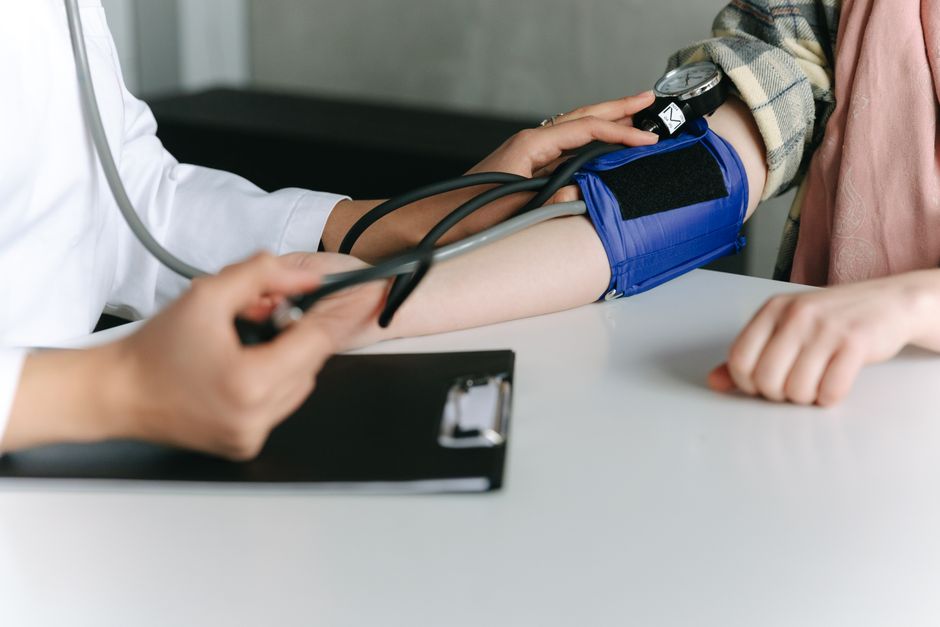
If you have obstructive sleep apnea, your blood pressure almost certainly rises at night while you stop breathing. CPAP, or continuous positive airway pressure, treats the apnea itself. When the apnea stops, the blood pressure spikes stop with it. That is the core reason CPAP lowers blood pressure: it prevents the airway from collapsing, which prevents the sudden drops in oxygen that trigger your body’s stress response. Without those nightly emergencies, your cardiovascular system can finally rest.
What Happens to Your Body During Sleep Apnea
Obstructive sleep apnea happens when the soft tissue in your throat relaxes too much during sleep. The airway closes completely or partially for ten seconds or longer. You keep trying to breathe, but air cannot get through.
Your brain notices the lack of oxygen and forces you to wake up just enough to gasp. This can happen dozens or even hundreds of times each night. Most people have no memory of these awakenings. They only know they wake up exhausted.
Each apnea event is a physical stressor. Your blood oxygen level drops. Your brain sends out an alarm. The alarm triggers a surge of stress hormones like adrenaline and cortisol. These hormones make your heart beat faster and your blood vessels tighten. Your blood pressure climbs, often sharply.
When you resume breathing, your blood pressure usually comes back down. But if this cycle repeats all night, your body never gets a true rest period. Over time, the repeated surges take a toll. Your blood pressure stays elevated even during the day.
Why Does CPAP Lower Blood Pressure: The Mechanism
CPAP works by delivering a steady stream of pressurized air through a mask. The air pressure acts like a splint. It holds your airway open from the inside while you sleep. When the airway stays open, you breathe normally. No oxygen drops. No stress hormone surges. No blood pressure spikes.
This is not a direct effect on the blood vessels. CPAP does not relax your arteries the way a blood pressure medication does. It works upstream, by fixing the root problem. When apnea events stop, the body’s nightly emergency response stops too.
Research consistently shows that CPAP therapy reduces blood pressure in people with obstructive sleep apnea. The effect is modest on average, typically a few points of systolic and diastolic pressure. But the benefit is real and it happens without adding another medication.
The effect is stronger in people with more severe sleep apnea. It is also stronger in people who use CPAP consistently, for most of the night, most nights of the week. Occasional use may not produce the same benefit.
How Much Does CPAP Actually Lower Blood Pressure
The average reduction is small but meaningful. Many studies report a drop of about 2 to 4 mmHg in systolic blood pressure and 1 to 3 mmHg in diastolic pressure. That may sound insignificant. It is not.
A sustained reduction of even 2 mmHg in systolic blood pressure is associated with a lower risk of stroke and heart disease across a population. For an individual, the benefit depends on starting blood pressure and overall cardiovascular risk.
People with resistant hypertension may see larger drops. Resistant hypertension means blood pressure stays high despite taking three or more medications. In this group, treating underlying sleep apnea with CPAP can make a noticeable difference. Some patients find their medications work better once their breathing is stable at night.
Keep in mind that CPAP is not a replacement for blood pressure medication. Most people need both. CPAP addresses the apnea. Medications address the blood pressure directly. Together they can be more effective than either alone.


Why Some People See No Change in Blood Pressure
Not everyone responds the same way to CPAP. Some people see no change in their blood pressure readings at all. There are several reasons this can happen.
The most common reason is inconsistent use. CPAP only helps while you are using it. If you wear the mask for three hours a night and sleep without it for five, your airway is still collapsing during those untreated hours. The blood pressure surges continue.
Another reason is that sleep apnea may not be the main driver of your high blood pressure. Obesity, a high-salt diet, physical inactivity, and genetics all play major roles. If those factors are not addressed, treating apnea alone may not be enough to bring blood pressure down.
Some people also have central sleep apnea, where the brain fails to send the signal to breathe. CPAP does not treat this form as effectively. If your apnea is primarily central, your doctor may recommend a different device, such as a bilevel machine or adaptive servo-ventilation.
Finally, mask leaks can reduce the effectiveness of therapy. A poorly fitting mask lets pressurized air escape. The airway may still collapse despite the machine running. If your blood pressure is not improving, a sleep specialist can check your machine’s data to see if your therapy is actually working.
How Long Before CPAP Lowers Blood Pressure
Some people see changes within a few nights. Their morning blood pressure readings drop because they slept without major apnea events. This immediate effect reflects the overnight improvements in oxygen levels and stress hormone surges.
Longer-term changes take more time. The blood vessels need weeks to months to adapt. The repeated nightly strain on the artery walls begins to ease. Some studies show continued improvement in blood pressure over three to six months of consistent CPAP use.
Do not expect a dramatic overnight change. The benefit builds gradually. Track your blood pressure at home, at the same time each day, and share the numbers with your doctor. This gives you both a clearer picture of how the therapy is working.
Other Health Benefits of CPAP Beyond Blood Pressure
The cardiovascular benefits of CPAP extend beyond blood pressure. Treating sleep apnea reduces the strain on the heart during sleep. This matters because untreated apnea is linked to a higher risk of atrial fibrillation, heart failure, and stroke.
Daytime sleepiness often improves quickly. Many people report feeling more alert within the first week of consistent use. This happens because the brain is no longer being repeatedly awakened throughout the night.
Mood and cognitive function tend to improve as well. Sleep apnea fragments sleep so severely that many people mistake the resulting fatigue and brain fog for normal aging or depression. Restoring stable sleep often lifts both.
Some research also suggests that CPAP improves blood sugar control in people with type 2 diabetes. The evidence is not as strong as it is for blood pressure, but the direction of the effect is consistent. Better sleep supports better metabolic health.
What If You Cannot Tolerate CPAP
CPAP is the gold standard treatment for obstructive sleep apnea, but it is not the only option. Some people find the mask uncomfortable or claustrophobic. Others struggle with air pressure or dry mouth. If you cannot tolerate CPAP, talk to your doctor about alternatives.
Oral appliances are a common option. These are custom-fitted dental devices that hold your jaw forward during sleep. They work well for mild to moderate sleep apnea. They are generally easier to tolerate than CPAP, though they can cause jaw discomfort or tooth movement over time.
Positional therapy can help people whose apnea only occurs when sleeping on their back. Simple devices that keep you on your side may reduce events. This approach is only effective if your apnea is truly position-dependent, which requires a sleep study to confirm.
Weight loss is one of the most effective non-device treatments. Excess weight around the neck and throat increases the likelihood of airway collapse. Even a modest weight loss can reduce the severity of sleep apnea. Some people with mild apnea find that significant weight loss eliminates their symptoms entirely.
Surgery exists but is reserved for specific anatomical issues, such as enlarged tonsils or a severely narrowed airway. It is not a first-line treatment. Success rates vary, and the condition can return over time.
When to See a Doctor
If you have high blood pressure and you snore loudly, wake up gasping, or feel exhausted despite a full night of sleep, ask your doctor about sleep apnea. A formal sleep study is the only way to confirm the diagnosis.
Do not assume your blood pressure medication is failing if your readings stay high. The problem may be untreated sleep apnea undermining your treatment. Addressing both conditions together gives you the best chance of getting your blood pressure under control.
If you already use CPAP and your blood pressure is still high, review your therapy data with a specialist. Check your mask fit, your pressure settings, and your hours of nightly use. Small adjustments can make a meaningful difference.
Frequently Asked Questions
Does CPAP lower blood pressure immediately?
Some people see lower morning blood pressure readings within a few nights of consistent use. The full benefit builds over weeks to months as the blood vessels adapt.
How many points does CPAP lower blood pressure?
Studies report an average drop of about 2 to 4 mmHg in systolic and 1 to 3 mmHg in diastolic pressure. People with severe apnea or resistant hypertension may see larger reductions.
Can CPAP replace blood pressure medication?
No. CPAP treats the underlying sleep apnea, but most people still need medication to control their blood pressure. The two treatments work together.
Why is my blood pressure still high with CPAP?
Inconsistent use, mask leaks, central sleep apnea, or other causes of hypertension may be responsible. Review your therapy data and overall health with your doctor to identify the cause.
