
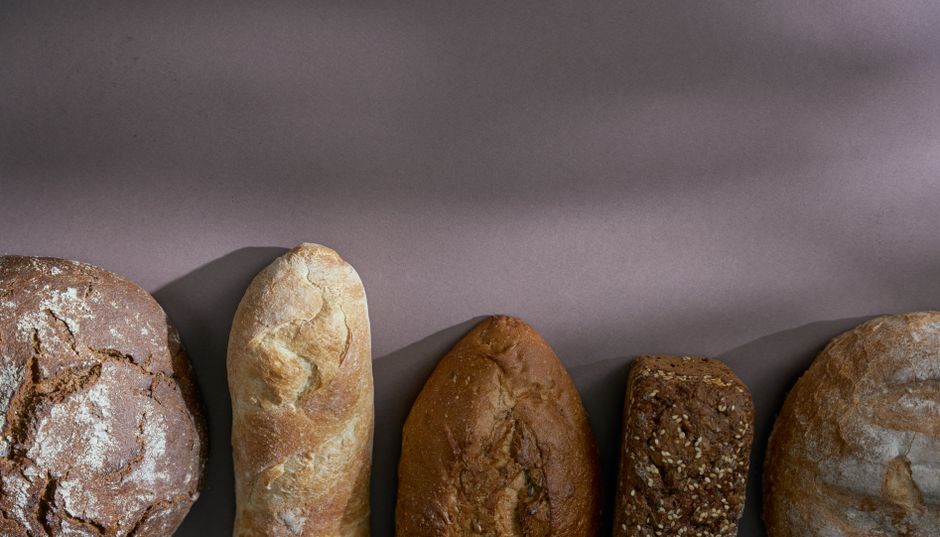
The bread aisle is full of claims. Whole grain. Multigrain. Sourdough. Sprouted. Keto. Low-carb. It is easy to feel overwhelmed. The honest answer is that the healthiest bread is one made from 100% whole grains, with minimal added sugar and sodium. It is not about a single magic loaf. It is about reading the label and understanding what actually ends up in the product.
What Makes One Bread Healthier Than Another?
The main difference comes down to the flour. Most conventional white bread uses refined flour. The milling process strips away the bran and the germ. These parts contain most of the fiber, vitamins, and minerals. What remains is mostly starch. Your body digests that starch quickly, causing a rapid spike in blood sugar.
Whole grain bread keeps all three parts of the grain: the bran, the germ, and the endosperm. This structure slows digestion. It keeps blood sugar steadier. It provides fiber that feeds beneficial gut bacteria. The difference is not subtle. It changes how your body processes the food.
Fiber is the single most important nutrient to look for. Most Americans do not get enough. A genuinely healthy slice of bread should provide at least 2 to 3 grams of fiber per slice. Many commercial loaves labeled “wheat” provide less than 1 gram because they are made mostly from refined flour with a small amount of whole wheat added for color.
Whole Wheat vs. Whole Grain: Know the Difference
These terms are not interchangeable. “Whole wheat” means the grain is wheat, and all parts of that wheat kernel are present. “Whole grain” is a broader term. It can include wheat, oats, barley, rye, spelt, or other grains. Both are healthy. The label matters less than the first ingredient.
Look at the ingredient list. The first ingredient should say “100% whole wheat flour” or “whole grain flour.” If it simply says “wheat flour” or “enriched flour,” the product is mostly refined. Enriched flour means nutrients were added back after processing. That does not restore the fiber. It is a marketing workaround, not a nutritional fix.
Color is not a reliable clue. Some manufacturers add molasses or caramel coloring to make bread look brown and wholesome. The label is the only trustworthy source. If the first ingredient is not whole grain, the bread is not a whole grain product regardless of its appearance.
Why Sprouted Grain Bread Is Different
Sprouted grain bread starts with whole grains that are allowed to germinate before being milled into flour. The sprouting process changes the nutritional profile. It reduces phytic acid, a compound that can block absorption of minerals like iron and zinc. Some research suggests sprouting increases certain nutrients, including folate and vitamin C.
The practical benefit is often lower carbohydrate content per slice. Because the grains are dense and heavy, a standard slice of sprouted bread weighs more but contains fewer net carbohydrates. Many people find sprouted bread more filling. It tends to have a chewy texture and a nutty flavor that takes some getting used to.
Sprouted bread is a solid choice, but it is not inherently superior to high-quality whole grain bread. Both are healthy. The best choice is the one you will actually eat regularly. A perfect loaf that sits in the pantry is not helping anyone.





Is Sourdough Actually Healthier?
Sourdough is made through fermentation. Wild yeast and lactic acid bacteria break down some of the carbohydrates and proteins in the dough. This process creates the tangy flavor and the characteristic chewy crust. It also changes how your body digests the bread.
The fermentation process reduces phytic acid, similar to sprouting. Some studies suggest sourdough has a lower glycemic index than other breads. That means it may cause a slower, gentler rise in blood sugar. People with mild gluten sensitivity sometimes report tolerating sourdough better, though this is not well established in clinical research. Sourdough is not gluten-free.
Here is the catch. Many commercial sourdough products are not actually fermented. They are made with regular yeast and artificial sour flavoring. Check the ingredient list. Real sourdough typically contains flour, water, salt, and a starter culture. If you see “sourdough flavor” or “yeast” listed, it is not traditionally fermented sourdough.
What About Gluten-Free Bread?
Gluten-free bread is essential for people with celiac disease or diagnosed gluten sensitivity. For everyone else, it is not automatically healthier. Gluten-free breads often contain more sugar, fat, and sodium to compensate for the texture and flavor that gluten provides. They are frequently lower in fiber.
Many gluten-free flours come from refined starches like white rice flour, tapioca starch, and potato starch. These digest quickly and can spike blood sugar. If you need gluten-free bread, look for products made with whole grain gluten-free flours like brown rice flour, oat flour, or buckwheat. Check the fiber content just as carefully as you would with regular bread.
Going gluten-free without a medical reason does not provide proven health benefits. Some people report feeling better, which may be due to eating fewer processed foods overall. But the bread itself is not the problem for most people.
How to Read a Bread Label Like a Professional
Stop looking at the front of the package. Flip it over. The nutrition facts panel and ingredient list tell the real story. Here is what matters.
- Fiber: Look for 2 grams or more per slice. More is better.
- Added sugar: Some breads contain surprising amounts. Look for less than 2 grams per slice. Some sandwich breads have 5 grams or more.
- Sodium: Bread is a hidden source of salt. Aim for under 150 mg per slice.
- Ingredient order: The first ingredient should be a whole grain flour.
- Short ingredient list: Fewer ingredients usually means less processing. Not always, but often.
Be wary of health claims on the front of the package. “Made with whole grains” can mean the bread contains a tiny amount of whole grain flour mixed with mostly refined flour. “Multigrain” simply means multiple types of grains, none of which need to be whole. “High fiber” can be achieved with isolated fiber additives like inulin or chicory root, which do not provide the same benefits as intact whole grain fiber.
One more thing to know. The term “wheat bread” is meaningless. All bread made from wheat is wheat bread. White bread is wheat bread. The label is designed to sound healthy while telling you nothing.
What Bread Is The Healthiest Choice Overall?
The healthiest bread is 100% whole grain or 100% whole wheat bread with at least 2 grams of fiber per slice, minimal added sugar, and a short ingredient list. Sprouted grain bread and traditionally fermented sourdough are also excellent choices. They offer additional benefits from the sprouting or fermentation process.
Rye bread made from whole rye flour is another strong option. It is dense, high in fiber, and digests slowly. Many commercial rye breads, however, are made mostly from refined wheat flour with rye flavoring added. Check the label before assuming the dark bread is healthy.
The bottom line is simple. Choose bread where the first ingredient is a whole grain. Avoid bread with added sugar in the first few ingredients. Prioritize fiber. These three rules will serve you better than any trendy loaf on the market.
Frequently Asked Questions
Is sourdough bread good for weight loss?
Sourdough may help with weight management because its fermentation process can slow digestion and keep you feeling full longer. No bread is a weight loss food on its own, and portion control still matters.
Is Ezekiel bread the healthiest bread?
Ezekiel bread is a sprouted whole grain bread with no added sugar and a strong nutritional profile. It is a healthy choice, but other 100% whole grain breads with similar fiber content are equally good options.
Is brown bread always healthier than white bread?
No. Many brown breads get their color from molasses or caramel coloring and are made mostly from refined flour. Always check the ingredient list to confirm the first ingredient is a whole grain.
Can people with diabetes eat bread?
Yes, people with diabetes can eat bread if they choose whole grain varieties and watch portion sizes. Whole grain bread causes a slower blood sugar rise than white bread, but individual responses vary, so testing blood sugar after eating is helpful.
