
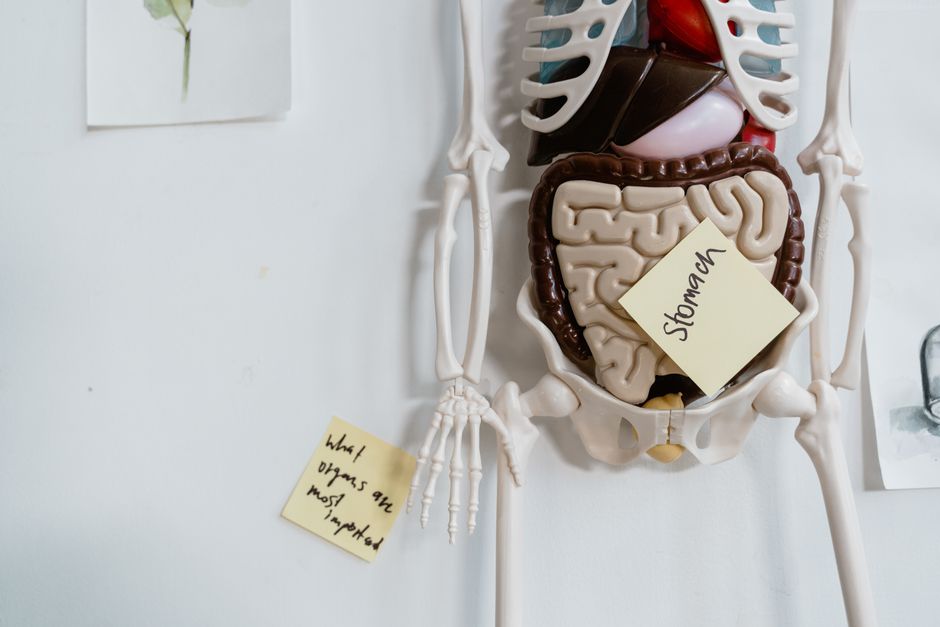
The appendix is part of the digestive system, but it also has documented functions within the immune system. Anatomically, it is a small pouch attached to the large intestine, which places it firmly in the gastrointestinal tract. However, research over the past two decades has shown that this organ is not useless; it contains immune tissue that helps regulate gut bacteria and defend against pathogens. So, the most accurate answer is that the appendix belongs to both systems, serving as a bridge between digestion and immunity.
What Body System Is The Appendix In Digestive Or Immune?
The appendix is classified as part of the digestive system because it is a structural extension of the cecum, which is the beginning of the large intestine. Every anatomy textbook lists it under the gastrointestinal tract. But classification by location is only half the story.
The appendix is densely packed with lymphoid tissue, the same type of tissue found in lymph nodes and tonsils. This tissue is a core component of the immune system. Because of this, many immunologists consider the appendix a secondary immune organ. It is not an either/or situation. The appendix is a digestive organ with a significant immune role.
What Does the Appendix Actually Do?
For decades, medical students were taught that the appendix was a vestigial organ, meaning it had no purpose and was left over from human evolution. That view has changed. Current evidence indicates the appendix serves at least two distinct functions.
First, it acts as a safe house for beneficial gut bacteria. The appendix is shaped like a narrow tube with a small opening. This structure protects colonies of commensal bacteria from being flushed out during episodes of severe diarrhea or other intestinal disturbances. When the gut is depleted of its normal flora, these protected bacteria can repopulate the colon and restore a healthy microbiome. Research published in the Journal of Theoretical Biology proposed this “safe house” theory, and subsequent studies have supported it.
Second, the appendix contributes to immune surveillance. The lymphoid tissue in the appendix contains B lymphocytes and T lymphocytes. These cells recognize pathogens and help produce antibodies. The appendix also produces secretory immunoglobulin A, an antibody that coats the intestinal lining and prevents harmful bacteria from attaching to the gut wall. This is an active immune function, not a passive one.
How the Appendix Interacts With the Gut Microbiome
The relationship between the appendix and gut bacteria is bidirectional. The appendix houses bacteria, but it also samples them. Specialized cells in the appendix, called microfold cells, transport bacteria from the intestinal lumen into the lymphoid tissue below. This sampling process trains the immune system to tolerate beneficial bacteria while mounting attacks against harmful ones.
This mechanism is why some researchers describe the appendix as a “training ground” for the immune system. It helps the body distinguish friend from foe in the microbial world. People who have had their appendix removed are not immunodeficient, but some studies suggest they may have slightly different gut microbiome compositions compared to people with an intact appendix. The clinical significance of this difference is still being studied.
One large study published in the journal Clinical Gastroenterology and Hepatology found that appendectomy was associated with a modestly increased risk of developing Clostridium difficile infection, a severe form of diarrhea caused by antibiotic-resistant bacteria. This finding supports the idea that the appendix plays a protective role in maintaining gut health, though the absolute risk increase was small.





Why Do We Get Appendicitis?
Appendicitis occurs when the opening of the appendix becomes blocked. The blockage can be caused by stool, swollen lymphoid tissue, or rarely, tumors. When the opening is blocked, bacteria multiply inside the closed space, causing inflammation, swelling, and pain.
The classic symptom of appendicitis is pain that starts around the belly button and migrates to the lower right side of the abdomen. This pain typically worsens over 12 to 24 hours and is often accompanied by nausea, vomiting, and loss of appetite. Fever may develop as the inflammation progresses.
Appendicitis is a medical emergency. If the appendix ruptures, bacteria spill into the abdominal cavity, causing peritonitis, a life-threatening infection. The standard treatment is surgical removal of the appendix, a procedure called an appendectomy. This surgery is one of the most common emergency operations performed worldwide.
Can You Live Without an Appendix?
Yes, you can live a completely normal life without an appendix. Millions of people have their appendix removed every year and experience no long-term health consequences. The immune system has redundant pathways, and other lymphoid tissues compensate for the loss.
However, the absence of the appendix is not entirely without measurable effects. Some research indicates that people without an appendix may have a slightly slower recovery of gut bacteria after antibiotic treatment. Other studies have looked at whether appendectomy increases the risk of conditions like inflammatory bowel disease or colorectal cancer. The evidence for these associations is mixed and not conclusive.
If you have had your appendix removed, there is no specific diet, supplement, or lifestyle change you need to adopt. Your gut will function normally. The body simply relies on other mechanisms to maintain microbial balance and immune defense.
Common Myths About the Appendix
Myth: The appendix has no function. This is false. The appendix has documented roles in immune function and microbiome maintenance. It is not vestigial.
Myth: Eating seeds causes appendicitis. This is largely false. While a hardened piece of stool, called a fecalith, is the most common cause of blockage, seeds and other small objects are rarely the culprit. Most cases of appendicitis have no identifiable dietary trigger.
Myth: Appendicitis always causes severe pain immediately. This is not true. The pain often starts as a vague discomfort that gradually intensifies. Some people, particularly older adults and pregnant women, may have atypical symptoms that delay diagnosis.
Myth: You need antibiotics after appendix removal. Not always. For uncomplicated appendicitis treated promptly with surgery, antibiotics may not be needed after the operation. For a ruptured appendix, antibiotics are necessary. Your surgeon will decide based on your specific situation.
When to See a Doctor
Abdominal pain should never be ignored, especially if it is persistent, worsening, or localized to the lower right side. If you suspect appendicitis, do not wait to see if the pain goes away. Go to an emergency department.
Do not take laxatives or pain relievers before seeking medical care. Laxatives can increase the risk of rupture, and pain relievers can mask symptoms, making diagnosis more difficult. Fast medical evaluation is the safest approach.
The diagnosis of appendicitis is made through physical examination, blood tests, and imaging such as ultrasound or CT scan. Prompt treatment, which is almost always surgical removal, has an excellent success rate. Complications are rare when the appendix is removed before it ruptures.
Frequently Asked Questions
Is the appendix part of the immune system?
Yes, the appendix contains significant amounts of lymphoid tissue that produce antibodies and help regulate immune responses in the gut. It is considered a secondary immune organ.
What happens to your immune system if your appendix is removed?
Your immune system continues to function normally because other lymphoid tissues compensate for the loss. Some studies suggest a slightly higher risk of certain gut infections, but most people experience no noticeable change.
Can you get appendicitis more than once?
No, once the appendix is surgically removed, you cannot get appendicitis again. In rare cases, a small stump of the appendix can become inflamed, but this is extremely uncommon.
Does the appendix help digest food?
The appendix does not directly digest food. It plays a supporting role by housing beneficial bacteria and contributing to gut immunity, but it is not essential for breaking down nutrients.
