
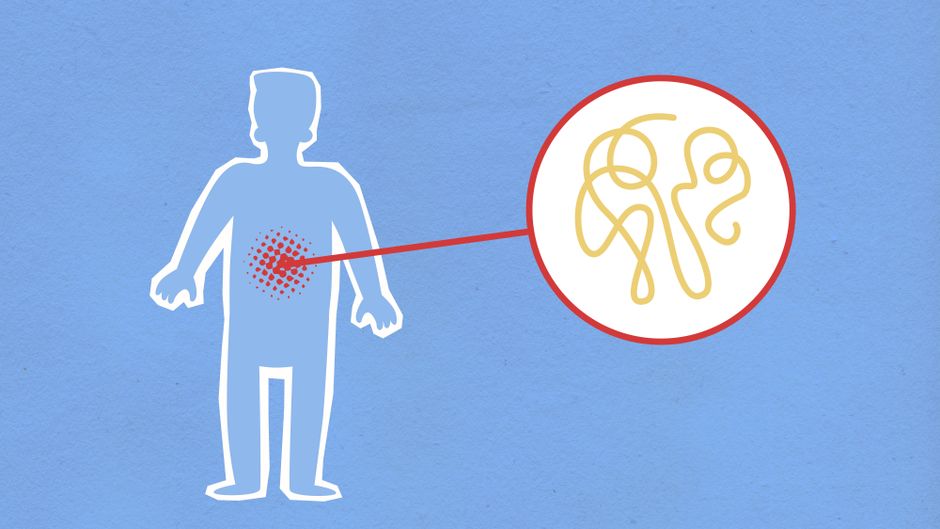
COVID-19 is far more than a respiratory illness. For many people, the digestive system is where the infection first makes itself known. Nausea, diarrhea, vomiting, and loss of appetite are common symptoms that can appear before any cough or fever develops. The virus directly infects the cells lining the gastrointestinal tract, which explains why digestive problems are so frequent and why some people continue to experience gut issues long after their initial recovery.
How Does COVID-19 Enter the Digestive System?
The virus responsible for COVID-19 uses a specific protein on human cells to gain entry. This protein, called ACE2, is found in high concentrations in the lungs, but it is also abundant in the epithelial cells that line the stomach, small intestine, and colon.
When you swallow virus particles, they travel down into your stomach and intestines. The virus attaches to these ACE2 receptors and begins replicating inside the gut cells. This direct infection causes inflammation and disrupts the normal function of the digestive tract. It is not just a side effect of being sick — the virus is actively present in gastrointestinal tissue.
Studies have detected live virus in stool samples from infected patients. This finding supports the idea that the gut is a genuine site of infection, not just an innocent bystander. It also explains why some people experience digestive symptoms as their first or only sign of illness.
What Are the Most Common Digestive Symptoms?
Diarrhea is the most frequently reported gastrointestinal symptom. It affects roughly 10 to 20 percent of people with COVID-19, though some studies report higher numbers. Nausea and vomiting are also common, along with abdominal pain and cramping.
Loss of appetite is another frequent complaint. Many patients describe feeling full after eating only a small amount or having no interest in food at all. This can lead to unintended weight loss, especially in people who are sick for several weeks.
These symptoms can range from mild to severe. Some people have one loose stool and nothing else. Others experience persistent diarrhea for days or weeks. In rare cases, digestive symptoms are the only symptoms a person has, making the infection harder to recognize and diagnose.
Why Does COVID-19 Cause Diarrhea?
The diarrhea associated with COVID-19 happens through several mechanisms. The virus infects the enterocytes, which are the cells responsible for absorbing water and nutrients from your food. When these cells are damaged, they cannot do their job properly. Water stays in the intestine instead of being absorbed, leading to loose stools.
The infection also triggers an inflammatory response. Your immune system sends white blood cells to fight the virus in the gut. This inflammation irritates the intestinal lining and speeds up the movement of contents through your digestive tract. When food and water move through too quickly, your body does not have time to absorb what it needs.
There is also evidence that COVID-19 alters the gut microbiome, the community of bacteria that live in your intestines. The balance between helpful and harmful bacteria shifts during infection. This disruption can contribute to digestive symptoms and may persist for months after the virus is cleared.





Can COVID-19 Cause Long-Term Gut Problems?
Yes. Many people report ongoing digestive issues as part of long COVID, the term used for symptoms that continue weeks or months after the initial infection. The most commonly reported long-term gut symptoms include persistent diarrhea, constipation, bloating, and abdominal pain.
Some research suggests that the gut microbiome may remain altered for months after recovery. The full extent of this disruption is still being studied, but it appears that some people’s intestinal bacteria do not return to their pre-infection state quickly. This imbalance may contribute to ongoing digestive discomfort.
Another concern is the development of new digestive conditions after COVID-19. Some patients have developed symptoms consistent with irritable bowel syndrome following their infection. The inflammation caused by the virus may trigger changes in how the gut and brain communicate, leading to long-term sensitivity and irregular bowel habits.
The evidence for long-term gut problems is real but still emerging. Not everyone who has COVID-19 will develop persistent digestive issues, and most people recover fully. However, if you had significant gut symptoms during your infection, there is a reasonable chance they may linger for a while.
How Covid 19 Affects The Gut And Digestive System — What the Research Shows
Research published in major medical journals has consistently confirmed that gastrointestinal symptoms are a core feature of COVID-19, not an uncommon side effect. Large studies of hospitalized patients have found that between 15 and 30 percent experience at least one digestive symptom during their illness.
The presence of digestive symptoms is clinically meaningful. Some studies indicate that people who experience gastrointestinal symptoms may have a longer duration of illness. These patients may also shed the virus in their stool for longer periods, although the public health significance of this is not fully understood.
One important point: digestive symptoms do not necessarily mean your case will be more severe. Many people with mild COVID-19 experience nausea or diarrhea and recover without complications. The severity of your illness depends on many factors, including your age, underlying health conditions, and how well your immune system responds to the virus.
Current evidence does not support the idea that having digestive symptoms predicts a worse outcome. It simply means the virus has spread beyond the respiratory tract in your body.
What Should You Do If You Have Digestive Symptoms?
If you develop new diarrhea, nausea, or vomiting, especially along with other symptoms like fever, fatigue, or cough, it is reasonable to consider COVID-19 as a possible cause. Testing is the only way to know for certain. At-home rapid tests are widely available and can give you an answer within minutes.
Staying hydrated is the most important step. Diarrhea and vomiting cause your body to lose water and electrolytes. Drink plenty of fluids. Oral rehydration solutions, available at most pharmacies, are more effective than plain water for replacing what you lose. Clear broths and sports drinks can also help, though they contain more sugar than is ideal for severe diarrhea.
Eat small, bland meals if you can tolerate food. The BRAT diet — bananas, rice, applesauce, and toast — is a common approach for settling an upset stomach. These foods are easy to digest and unlikely to worsen diarrhea. Avoid fatty, spicy, or highly processed foods until your symptoms improve.
Over-the-counter anti-diarrheal medications like loperamide can be helpful for mild cases. However, if you have a fever or blood in your stool, do not use these medications. Speak with a healthcare provider first, as these symptoms may indicate a more serious infection.
Most digestive symptoms from COVID-19 resolve within a week or two. If your symptoms last longer, if you become severely dehydrated, or if you are unable to keep any fluids down, seek medical attention. Dehydration is a medical emergency, especially in older adults and people with chronic health conditions.
Can You Catch COVID-19 From Stool?
The virus has been found in stool samples, and this has raised questions about whether fecal-oral transmission is possible. The evidence for this route of transmission is limited. While viral genetic material is present in stool, it is not clear that live, infectious virus is consistently present in amounts large enough to spread the disease.
The more significant risk remains respiratory droplets and airborne particles. Washing your hands thoroughly after using the bathroom is always good practice, and it is especially important during the pandemic. This is particularly relevant for household members caring for someone with active COVID-19.
Public health agencies have not identified fecal-oral transmission as a major driver of COVID-19 spread. The primary prevention measures remain vaccination, masking in high-risk settings, and staying home when you are sick.
How to Support Your Gut During and After Recovery
Once the acute infection has passed, some people find their digestion does not immediately return to normal. Supporting your gut during recovery is a reasonable goal, though evidence for specific interventions is limited.
Eating a varied diet rich in fiber is the most well-supported approach for maintaining a healthy gut microbiome. Fruits, vegetables, legumes, and whole grains feed the beneficial bacteria in your colon. If you are recovering from diarrhea, introduce these foods gradually to avoid worsening symptoms.
Probiotic supplements are widely marketed for gut health, and some evidence suggests they may help restore the microbiome after antibiotic use or gastrointestinal infections. However, no large clinical trials have confirmed that probiotics specifically help COVID-19 recovery. If you choose to take one, pick a product with named strains and follow the dosing instructions. Be aware that the evidence base here is genuinely limited.
Fermented foods like yogurt, kefir, sauerkraut, and kimchi also contain beneficial bacteria. Including these in your diet is generally safe and may support gut health, though again, specific benefits for COVID-19 recovery are not established.
If digestive symptoms persist for more than a few weeks after your infection, talk to a healthcare provider. Ongoing diarrhea, unexplained weight loss, or severe abdominal pain warrant medical evaluation. These symptoms may indicate a post-infectious condition that responds well to treatment.
Frequently Asked Questions
Can COVID-19 cause digestive problems without respiratory symptoms?
Yes, some people experience only gastrointestinal symptoms like diarrhea, nausea, or vomiting. In these cases, the infection can be mistaken for a stomach bug or food poisoning.
How long do digestive symptoms from COVID-19 last?
Most digestive symptoms resolve within one to two weeks. Some people experience gut issues for months as part of long COVID, though this is less common.
Should I take anti-diarrheal medication for COVID-19 diarrhea?
Anti-diarrheal medications can be used for mild diarrhea, but avoid them if you have a fever or blood in your stool. When in doubt, ask a healthcare provider.
Can COVID-19 permanently damage your digestive system?
Permanent damage is rare. Most people recover fully, though some develop ongoing symptoms similar to irritable bowel syndrome that may require management.
