
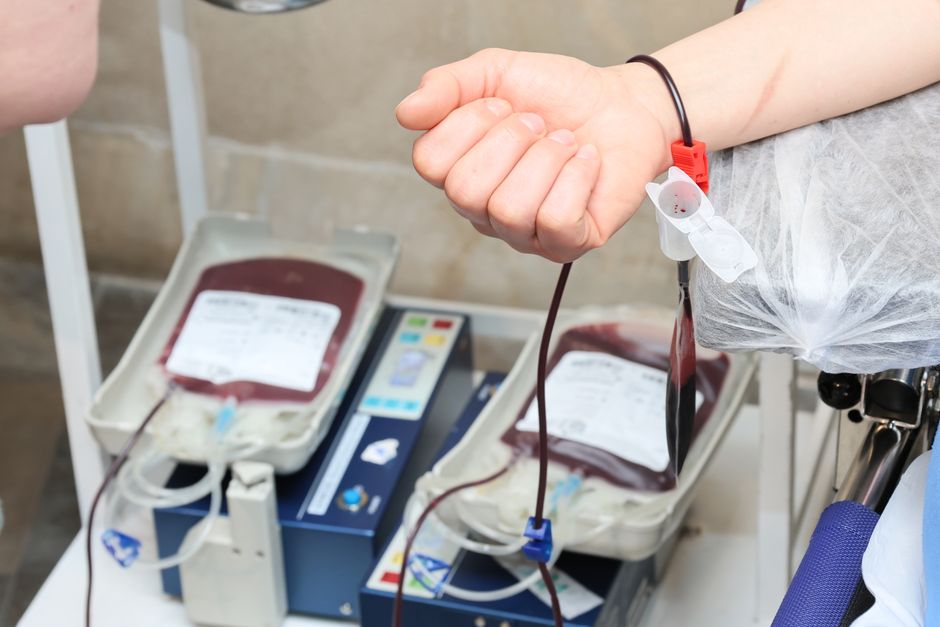
Type AB is the best blood type for donating platelets. Platelets from an AB donor can be given to patients of any blood type, and AB platelets carry no ABO antibodies that could harm a recipient. That makes AB donors unusually valuable in platelet donation, even though AB is the rarest of the major blood types.
The reason comes down to how platelets are matched and used. Unlike red blood cells, platelets are usually separated from the donor’s red cells and plasma, but some plasma and a small number of red cells can remain. That leftover material is why AB donors matter so much. Understanding the details helps you decide whether platelet donation is worth your time.
What Blood Type Is Best For Donating Platelets?
Type AB donors are the most versatile platelet donors, and AB positive is often the single most useful type for platelet collection. The reason is not that AB platelets are better quality. It is that AB plasma contains no antibodies against A or B red blood cells, and AB red cells carry both A and B markers that no one else’s immune system will attack.
When you donate platelets, a small amount of plasma and sometimes a few red cells come along in the final product. If a donor’s plasma has anti-A or anti-B antibodies, those antibodies can attack a recipient’s red blood cells. AB donors do not produce those antibodies. Their platelets can therefore be given to A, B, AB, and O patients without that specific risk.
Type O donors are the universal red blood cell donors. That is a different story. For platelets, the practical picture is closer to the reverse: AB donors are the most broadly compatible, and O donors can pose more matching challenges because their plasma contains both anti-A and anti-B antibodies.
Why Does AB Platelet Donation Matter So Much?
Platelets are fragile and short-lived. They are stored at room temperature and typically have a shelf life of about five days, which means blood centers need a steady stream of donors rather than a stockpile. AB donors help fill that constant demand with a product that fits almost any patient.
Cancer treatment is the biggest driver of platelet demand. Chemotherapy and radiation can suppress the bone marrow’s ability to make platelets, and patients with leukemia or other blood cancers often need transfusions to prevent dangerous bleeding. Platelet transfusions are also used in surgery, trauma, and organ transplants.
AB is the rarest major blood type. Roughly 3 to 4 percent of people are AB positive and well under 2 percent are AB negative, depending on the population. That rarity is exactly why AB platelet donors are tracked and called on repeatedly by blood centers.
Here is a point many people miss: the “best” donor type depends on what the blood center needs at that moment. A center short on O platelets for O patients may value an O donor highly. Compatibility rules set the ceiling, but local supply sets the day-to-day priority.
How Do Platelet and Red Cell Compatibility Differ?
Red cell transfusion is mainly about matching red cell markers. Platelet transfusion adds a second layer: the plasma and residual red cells in the platelet product. That is why the “universal donor” logic flips between the two.
| Donor Type | Red Cell Compatibility | Platelet Compatibility |
|---|---|---|
| O negative | Universal red cell donor | Can require matching; plasma has anti-A and anti-B |
| A | Compatible with A and AB recipients | Best matched to A and AB recipients |
| B | Compatible with B and AB recipients | Best matched to B and AB recipients |
| AB | Compatible with AB recipients only | Broadly compatible; plasma has no anti-A or anti-B |
This table is a simplified guide. Blood centers also consider the Rh factor, the patient’s history of transfusion reactions, and whether the patient needs a specially matched product. The center’s compatibility testing decides the final match, not the donor.

Can You Donate Platelets If You Are Not Type AB?
Yes. Every blood type can donate platelets, and centers need donors of all types. O, A, and B donors are essential because many patients share those types and the safest match is often the same type.
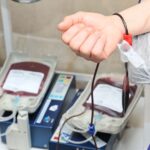
Platelet donation is done by apheresis. A machine draws blood, separates the platelets, and returns the rest of the blood to you. The process usually takes about two hours including setup and screening, longer than a standard whole blood donation.
Donation frequency follows center rules. In the United States, platelet donors can generally give more often than whole blood donors because the body replaces platelets relatively quickly, but the exact schedule depends on the collection center and your health history. Follow the guidance your center provides rather than a general rule.
Eligibility basics are similar to whole blood donation. You generally need to be in good health, meet age and weight requirements set by the center, and pass a screening for medications, recent travel, and infection risk. Some medications, including certain blood thinners, may disqualify you temporarily or permanently. Ask the center directly about anything you take.
What Should You Expect During Platelet Donation?
Most people tolerate apheresis well. You sit or recline while a needle stays in one arm, and the machine cycles blood out and back. Some donors feel a cold sensation or tingling around the mouth and fingers. That tingling is usually linked to the citrate anticoagulant used to keep the blood from clotting in the tubing, and it often settles when the machine’s return rate is adjusted.
Tell staff right away if you feel tingling, chills, or lightheadedness. They can slow the process or adjust settings. Do not tough it out silently.
- Eat a normal meal and drink water before your appointment.
- Avoid fatty foods right before donation, since they can affect testing.
- Plan for roughly two hours at the center.
- Skip strenuous activity for the rest of the day if you feel tired.
- Keep the bandage on as directed and watch for unusual bruising.
These steps are general preparation advice, not a guarantee against side effects. Serious complications are uncommon but not zero. Bruising at the needle site is the most frequent complaint.
Does Your Blood Type Affect Platelet Count or Health?
Blood type does not determine how many platelets you have or how well they function in any clinically meaningful way. Normal platelet counts fall in the range of about 150,000 to 450,000 per microliter of blood, and that range applies across all ABO types.
Some research has looked at whether ABO type influences clotting or cardiovascular risk. The evidence there is real but modest, and it does not translate into practical advice for individual donors. Blood type is not a reason to worry about your platelet health.
What does matter for donation is your platelet count on the day. Centers check it before collection. A count that is too low means you cannot donate that day, regardless of your type.
How Do You Find Out If You Are a Match?
You do not need to know your type in advance to start. Blood centers type every donor during the screening process. If you already know you are AB, mention it when you call, because centers often keep a list of AB platelet donors and may reach out when supplies run low.
If you are unsure of your type, a first donation or a simple blood test will tell you. The center will also explain which products your type is best suited for.
The practical takeaway is simple. AB donors are the most broadly compatible platelet donors and are in constant demand. Donors of every other type are still needed, often urgently, because matching to the patient’s own type remains the safest approach. The best donor is the one who shows up consistently.
Frequently Asked Questions
What blood type is best for donating platelets?
Type AB is the best platelet donor type because AB plasma has no antibodies against A or B red cells, so the platelets can be given to patients of any blood type. AB positive donors are especially useful because they are the most common form of AB.
Can O negative donors give platelets?
Yes, O negative donors can give platelets, and centers need them. Their plasma contains both anti-A and anti-B antibodies, so the product may need to be matched more carefully to the recipient.
How often can you donate platelets?
Platelet donors can generally give more often than whole blood donors because the body replaces platelets relatively quickly. The exact schedule is set by your collection center and depends on your health and donation history.
Do you need to know your blood type before donating platelets?
No. The blood center types every donor during screening. If you already know you are AB, tell the center, since AB platelet donors are often contacted directly when supplies are low.
