
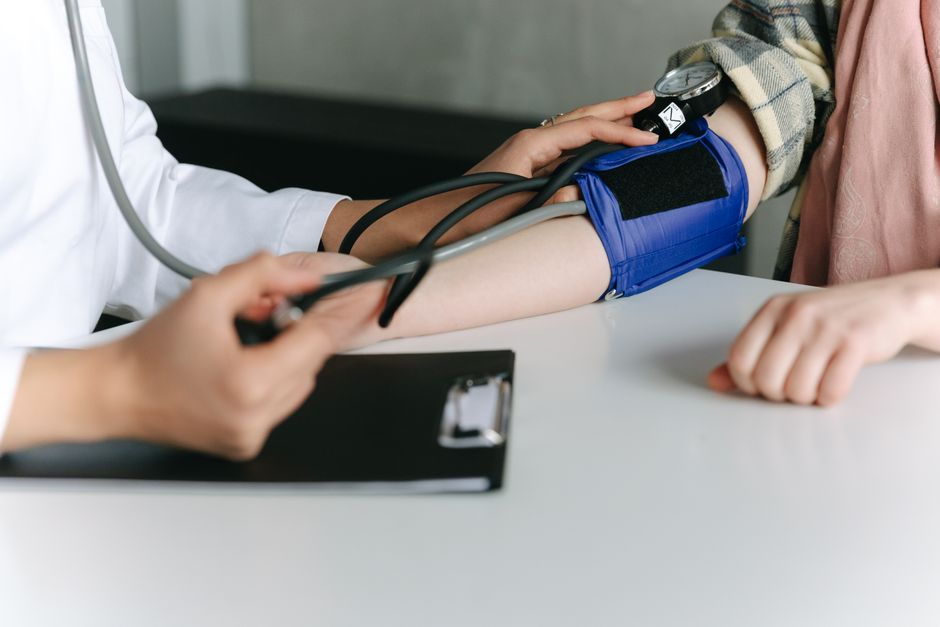
High blood pressure is defined by numbers, not by how you feel. For most adults, a reading of 130/80 mm Hg or higher is considered high blood pressure, while 120/80 mm Hg is the widely cited normal target. The numbers matter because high blood pressure usually causes no symptoms at all, even when it is doing real damage to your heart, brain, and kidneys.
This article explains what the two blood pressure numbers mean, where the current thresholds fall, and why a single reading is never the whole story. It also covers what the evidence actually shows about lifestyle changes and when medication becomes part of the conversation.
What Do the Two Blood Pressure Numbers Mean?
Every blood pressure reading has two numbers, and they measure two different phases of your heartbeat. The top number is systolic pressure, the pressure in your arteries when your heart contracts and pushes blood out. The bottom number is diastolic pressure, the pressure that remains when your heart relaxes between beats.
The systolic number gets more attention for good reason. It is a stronger predictor of cardiovascular risk in adults over 50, and it tends to rise steadily with age as arteries stiffen. Diastolic pressure often rises earlier in life and can be the first sign of a problem in younger adults.
Both numbers are written as systolic over diastolic. A reading of 120/80 means a systolic pressure of 120 and a diastolic pressure of 80.
What Blood Pressure Is Too High? Know The Numbers
The current categories used in US clinical practice come from the American Heart Association and American College of Cardiology. These thresholds were updated in 2017, and they are what most US clinicians use today.
| Category | Systolic (mm Hg) | Diastolic (mm Hg) | |
|---|---|---|---|
| Normal | Less than 120 | and | Less than 80 |
| Elevated | 120–129 | and | Less than 80 |
| Stage 1 high blood pressure | 130–139 | or | 80–89 |
| Stage 2 high blood pressure | 140 or higher | or | 90 or higher |
| Hypertensive crisis (call a doctor immediately) | Higher than 180 | and/or | Higher than 120 |
Notice the word “or” in the stage 1 and stage 2 rows. That matters. You are in a category if either number meets the threshold, not both. A reading of 118/85 is stage 1 high blood pressure because of the diastolic number alone.
One clarification that surprises many people: the 2017 update lowered the threshold for high blood pressure from 140/90 to 130/80. Anyone who was told they had “normal” blood pressure at 135/85 under the old rules now falls into stage 1. The numbers did not change. The definition did.
Why a Single Reading Is Not a Diagnosis
Blood pressure moves constantly. It rises when you climb stairs, drink coffee, feel stressed, or even talk during the measurement. A single high reading in a doctor’s office is a signal to check again, not a diagnosis on its own.
Clinicians typically confirm high blood pressure by averaging multiple readings taken on at least two separate occasions. Many also use home monitoring or a 24-hour ambulatory monitor, a device you wear for a full day that records your pressure at intervals. Ambulatory monitoring is especially useful for catching two patterns that a single office reading can miss.
- White coat hypertension: blood pressure that runs high in a medical setting but is normal at home.
- Masked hypertension: blood pressure that looks normal in the office but runs high in daily life.
Both patterns are common. Getting the measurement right matters as much as the number itself.

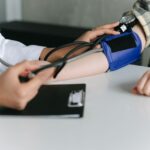
How to Measure Blood Pressure Correctly at Home
Home readings can be more reliable than office readings because they reflect your pressure across a normal day rather than a single stressful moment. The catch is that technique matters, and small errors can shift a reading by several points.
For a home reading to be useful, follow the same steps each time:
- Sit quietly for five minutes before measuring.
- Keep your back supported and both feet flat on the floor.
- Rest your arm on a table so the cuff sits at heart level.
- Use a cuff that fits your upper arm. A cuff that is too small reads high.
- Do not talk or look at your phone during the reading.
- Take two readings about a minute apart and average them.
Measure at roughly the same times each day. Many clinicians suggest a morning reading before medication and an evening reading before dinner. Bring your log to appointments. A week of consistent home readings tells your doctor far more than one office measurement.
Use a validated upper-arm cuff monitor rather than a wrist or finger device. Wrist monitors are more sensitive to position errors, and finger monitors are not considered reliable for clinical use.
What High Blood Pressure Does to the Body Over Time
High blood pressure is often called the silent killer because it damages organs long before it causes symptoms. Most people with high blood pressure feel completely fine. That is precisely what makes the numbers important.
Persistent high pressure forces your heart to work harder with every beat. Over years, the heart muscle thickens, which can lead to heart failure. The arteries themselves take damage too. Small tears in the artery walls become sites where cholesterol plaque builds up, a process called atherosclerosis, which narrows the vessels and raises the risk of heart attack and stroke.
The kidneys filter blood through tiny vessels that are especially vulnerable to high pressure. High blood pressure is one of the leading causes of chronic kidney disease. The eyes are affected as well, since the small vessels in the retina can be damaged by sustained high pressure.
None of this happens overnight, and none of it is inevitable. The damage is progressive, which means the earlier blood pressure is brought under control, the more of it can be prevented.
What Raises Blood Pressure?
Most high blood pressure in adults has no single identifiable cause. This is called primary or essential hypertension, and it develops from a mix of genetics, age, and lifestyle over many years. A smaller share of cases, called secondary hypertension, stems from a specific underlying condition such as kidney disease, sleep apnea, or certain hormonal disorders.
Several factors are well established as contributors to rising blood pressure:
- Age: arteries stiffen over time, which raises systolic pressure in particular.
- Excess sodium intake: sodium causes the body to retain fluid, which increases pressure in some people.
- Excess body weight: extra weight increases the workload on the heart and affects hormone signaling that regulates blood pressure.
- Physical inactivity: regular movement helps keep blood vessels flexible.
- Alcohol: drinking more than moderate amounts raises blood pressure.
- Family history: high blood pressure runs in families.
- Chronic stress and poor sleep: both are linked to higher blood pressure, though the relationship is complex.
Some people are more salt-sensitive than others. The blood pressure response to sodium varies widely between individuals, which is why blanket advice about salt does not work equally for everyone.
When Do the Numbers Call for Action?
The answer depends on the category and on your overall risk. For people in the elevated range (120–129 systolic with diastolic under 80), the focus is usually on lifestyle changes. Stage 1 high blood pressure often starts with lifestyle changes too, though medication may be considered earlier for people with diabetes, kidney disease, or existing heart disease.
For stage 2 high blood pressure (140/90 or higher), most guidelines recommend starting medication alongside lifestyle changes. This is a general direction, not a prescription. The decision is individual and belongs with your clinician.
One number deserves special mention. A reading above 180/120 is a hypertensive crisis. If you get a reading that high and it is confirmed on a repeat measurement a few minutes later, seek medical care immediately. If you also have chest pain, shortness of breath, weakness, vision changes, or trouble speaking, call emergency services. Those symptoms can signal organ damage that needs urgent treatment.
Do Lifestyle Changes Really Lower Blood Pressure?
Yes, and the evidence here is strong. Lifestyle changes are not a soft alternative to medication. For many people they produce meaningful reductions in blood pressure, and they are recommended alongside medication for almost everyone.
What the research supports most consistently:
- Reducing sodium: cutting sodium intake lowers blood pressure in most people, with larger effects in those who are salt-sensitive.
- Weight loss: losing excess weight lowers blood pressure, and the effect grows with the amount lost.
- Regular physical activity: aerobic exercise such as brisk walking, cycling, or swimming lowers blood pressure in people with and without hypertension.
- Limiting alcohol: reducing heavy drinking lowers blood pressure.
- Dietary patterns rich in vegetables, fruits, and low-fat dairy: the DASH eating plan is the most studied example and has been shown to lower blood pressure in clinical trials.
What the evidence does not support is the idea that any single food, supplement, or device can replace proven treatment. No clinical evidence currently confirms that a specific juice, tea, or wearable gadget lowers blood pressure on its own. Be cautious with marketing that promises otherwise.
Lifestyle changes take weeks to months to show their full effect. They are not a quick fix, and they work best combined with regular monitoring so you and your clinician can see what is actually happening.
Frequently Asked Questions
Is 140 over 90 considered high blood pressure?
Yes. A reading of 140/90 mm Hg falls into stage 2 high blood pressure under current US guidelines. It should be confirmed with repeat readings and discussed with a clinician.
What is a dangerously high blood pressure reading?
A reading above 180/120 mm Hg is considered a hypertensive crisis and needs immediate medical attention. If it comes with chest pain, shortness of breath, or vision changes, call emergency services.
Can high blood pressure cause symptoms I would notice?
Usually not. Most people with high blood pressure feel completely normal, which is why regular measurement matters more than how you feel.
Is 120 over 80 a good blood pressure?
Yes. A reading of 120/80 mm Hg sits at the top of the normal range. Readings below 120 systolic and 80 diastolic are considered normal.
