
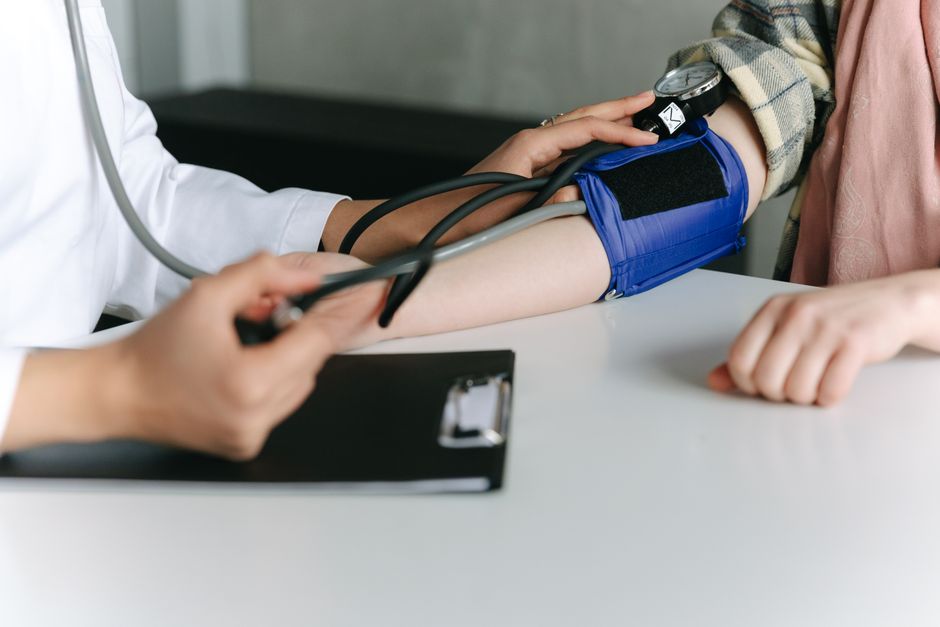
Blood pressure is one of those numbers people hear at every doctor’s visit, but few understand what it actually means. Yes, high blood pressure is bad for your health. It is one of the leading risk factors for heart attack, stroke, kidney disease, and heart failure worldwide. The tricky part is that it usually causes no symptoms at all, which is why it earns its nickname: the silent killer.
What Does High Blood Pressure Actually Do to Your Body?
Blood pressure is the force of blood pushing against the walls of your arteries. When that force stays too high for too long, it quietly damages blood vessels in organs throughout the body.
The damage works in a few ways. Constant high pressure stiffens artery walls, making them less flexible. It also creates tiny tears in the inner lining of arteries. Cholesterol and other substances can collect in those tears, forming plaque that narrows the artery further. Over time, the heart has to pump harder to push blood through narrower, stiffer vessels. That extra workload thickens the heart muscle.
This process is slow. It can go on for years before any noticeable problem appears. That is why a single high reading at a doctor’s office is not a diagnosis, but a pattern of high readings over time is a real concern.
Is High Blood Pressure Bad Even If I Feel Fine?
Yes. How you feel has almost nothing to do with how high your blood pressure is. Most people with high blood pressure feel completely normal right up until something serious happens.
Some people assume that headaches, nosebleeds, or feeling flushed are signs of high blood pressure. In most cases they are not. Those symptoms have many other causes. A headache can occasionally accompany a hypertensive crisis, which is an extreme spike in blood pressure, but routine high blood pressure is usually silent.
This is the central problem. Because there is no warning signal, people skip checkups, ignore readings, and go years without treatment. Meanwhile the damage to arteries, heart, brain, and kidneys continues.
What Blood Pressure Numbers Mean
Blood pressure is written as two numbers. The top number is systolic pressure, the force when your heart beats. The bottom number is diastolic pressure, the force between beats when your heart rests.
These categories come from widely used clinical guidelines. A reading is not a diagnosis on its own, but the ranges help doctors decide when to act.
| Category | Systolic (mmHg) | Diastolic (mmHg) |
|---|---|---|
| Normal | Less than 120 | Less than 80 |
| Elevated | 120–129 | Less than 80 |
| Stage 1 hypertension | 130–139 | 80–89 |
| Stage 2 hypertension | 140 or higher | 90 or higher |
| Hypertensive crisis | Higher than 180 | Higher than 120 |
A single high reading does not mean you have hypertension. Blood pressure rises and falls during the day. Stress, caffeine, exercise, and even talking during a measurement can push it up. Doctors usually confirm a pattern over multiple visits before making a diagnosis.
A reading above 180/120 is different. That is considered a crisis and needs medical attention right away, especially if it comes with chest pain, shortness of breath, vision changes, or weakness.



What Health Problems Does High Blood Pressure Cause?
The list of complications is long, and they all trace back to damaged blood vessels.
- Heart attack. Narrowed arteries in the heart can block blood flow to heart muscle.
- Stroke. High pressure can burst a weakened artery in the brain or block one with a clot.
- Heart failure. A heart that has pumped against high pressure for years can become too stiff or too weak to keep up.
- Kidney disease. The kidneys filter blood through tiny vessels that high pressure damages over time.
- Vision loss. The small vessels in the retina can be injured by ongoing high pressure.
- Peripheral artery disease. Reduced blood flow to the legs can cause pain and poor healing.
These outcomes are not guaranteed for every person with high blood pressure. Risk rises with the level of pressure, how long it stays high, and other factors like smoking, diabetes, and cholesterol levels. But the link between high blood pressure and these conditions is one of the most firmly established findings in medicine.
Why Is High Blood Pressure So Common?
Roughly half of adults in the United States have high blood pressure, according to the Centers for Disease Control and Prevention. Many do not know it.
Several factors drive those numbers. Age stiffens arteries, so risk climbs as you get older. Excess body weight, a diet high in sodium, heavy alcohol use, and physical inactivity all raise blood pressure. So does family history. Some people develop it with no obvious cause at all.
There is a detail many people miss: for a large share of adults, the top number rises while the bottom number stays normal. This pattern, called isolated systolic hypertension, is especially common after age 50. It still matters. Some people and even some clinicians focus on the bottom number and overlook a rising top number, but systolic pressure is a strong predictor of cardiovascular risk in older adults.
Can High Blood Pressure Be Managed?
Yes. High blood pressure is one of the most treatable risk factors for heart disease and stroke. Treatment falls into two broad areas: lifestyle changes and medication.
Lifestyle changes can lower blood pressure meaningfully for many people. These include reducing sodium intake, losing excess weight, getting regular physical activity, limiting alcohol, quitting smoking, and managing stress. How much each one helps varies from person to person. For some, lifestyle changes alone bring pressure into a safer range. For others, they are not enough.
Medications are often needed, especially when pressure is well above normal or when other risk factors are present. Several classes of drugs lower blood pressure through different mechanisms, and doctors choose based on the individual. Some people need more than one.
What matters most is consistency. Blood pressure treatment works only while it is being followed. Stopping medication because you feel fine is a common and dangerous mistake. The condition is silent, so feeling normal is not evidence that it is controlled.
Home monitoring can help. Checking blood pressure at home gives a clearer picture than occasional office readings, which can be affected by nerves. Ask a clinician how to measure correctly, since technique affects accuracy.
When Should You Get Your Blood Pressure Checked?
Adults should have their blood pressure measured regularly. For most healthy adults without other risk factors, checking at least once a year is reasonable. People with elevated readings, existing heart conditions, diabetes, or kidney disease may need it checked more often.
You can also check it yourself at home with a validated monitor. Bring your readings to your doctor so they can see the pattern over time, not just one number on one day.
Do not wait for symptoms. There usually are none. The only reliable way to know your blood pressure is to measure it.
Frequently Asked Questions
Is high blood pressure dangerous if I feel normal?
Yes. High blood pressure usually causes no symptoms, so feeling fine does not mean your pressure is safe. The damage to arteries, heart, brain, and kidneys builds quietly over years.
What blood pressure reading is considered too high?
Readings of 130/80 mmHg or higher fall into hypertension categories, and anything above 180/120 mmHg is a crisis needing immediate medical attention. A single high reading is not a diagnosis; doctors look for a pattern over time.
Can high blood pressure go away on its own?
It sometimes improves with weight loss, less sodium, more activity, and less alcohol, but it rarely resolves without sustained changes. Many people need medication to keep it controlled.
Can I stop taking blood pressure medication once my numbers are normal?
No, not without talking to your doctor first. Numbers often look normal because the medication is working, and stopping it can let pressure rise again.
