
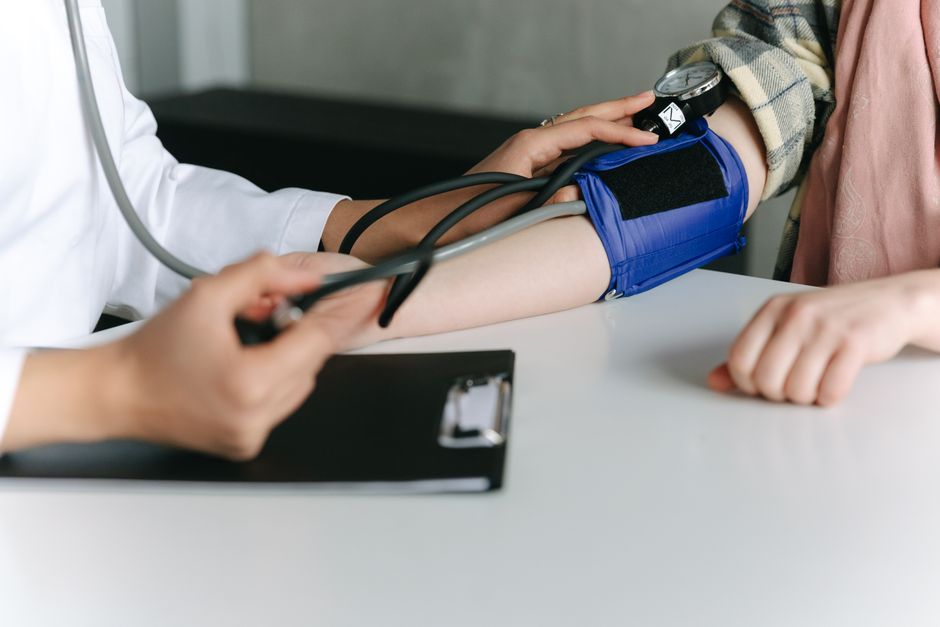
Two numbers, written as one over the other, tell you how hard your blood is pushing against your artery walls. For most adults, a reading below 120/80 mm Hg is considered normal, while 130/80 mm Hg or higher is generally classified as high blood pressure. The tricky part is that a single reading rarely tells the whole story — and knowing which category you fall into matters more than most people realize.
Blood pressure is measured in millimeters of mercury, or mm Hg. The top number is called systolic pressure. It reflects the force against your arteries when your heart beats. The bottom number is diastolic pressure, the pressure between beats when your heart rests and refills.
What Do the Top and Bottom Numbers Actually Mean?
Systolic pressure measures the peak force your heart generates with each contraction. Diastolic pressure measures the resting pressure in your arteries between beats. Both numbers carry information, and both matter for your health.
For decades, doctors paid more attention to diastolic pressure. That thinking has shifted. Research now shows that systolic pressure is often a stronger predictor of cardiovascular risk in people over 50. This is partly because arteries stiffen with age, which raises systolic pressure more than diastolic pressure.
In younger adults, diastolic pressure can be the more telling number. A young person with a normal systolic reading but an elevated diastolic reading still warrants attention. The pattern differs across age groups, and that is one reason a single cutoff does not tell the full story for everyone.
Your arteries are not rigid pipes. They are flexible tubes lined with smooth muscle. When pressure stays high over time, that muscle thickens and the walls lose elasticity. This process is called arterial remodeling. It happens gradually and silently, which is why high blood pressure is often called a “silent” condition.
What Blood Pressure Numbers Are Considered Normal?
Current clinical guidelines define normal blood pressure as less than 120/80 mm Hg. Readings are grouped into categories that describe increasing cardiovascular risk.
| Category | Systolic (mm Hg) | Diastolic (mm Hg) |
|---|---|---|
| Normal | Less than 120 | Less than 80 |
| Elevated | 120–129 | Less than 80 |
| Stage 1 hypertension | 130–139 | 80–89 |
| Stage 2 hypertension | 140 or higher | 90 or higher |
| Hypertensive crisis | Higher than 180 | Higher than 120 |
These categories come from the American College of Cardiology and American Heart Association. They lowered the threshold for hypertension from 140/90 to 130/80 in 2017. That change meant millions more Americans suddenly had a diagnosis. It also sparked debate among clinicians about whether the new threshold would lead to overtreatment in some people.
If your reading falls into the elevated category, it is not yet hypertension. But it does mean your numbers are trending in a direction worth watching. Elevated pressure often progresses to hypertension over time without lifestyle changes.
Why Can One Reading Be Misleading?
Blood pressure fluctuates constantly. It rises when you exercise, when you are stressed, when you drink coffee, and even when you have a full bladder. A single high reading at a doctor’s office does not automatically mean you have high blood pressure.
Some people experience what is called white coat hypertension. Their pressure rises in a medical setting but is normal at home. Others have the opposite problem — masked hypertension — where readings look fine in the clinic but are elevated in daily life. Both patterns are common and both can lead to misdiagnosis if only one setting is measured.
This is why clinicians often ask for multiple readings over time before making a diagnosis. Home monitoring or a 24-hour ambulatory monitor can give a clearer picture. A diagnosis of hypertension generally requires elevated readings on at least two separate occasions.
Proper technique matters more than most people think. Your arm should be supported at heart level. Your feet should be flat on the floor. You should sit quietly for at least five minutes before the cuff inflates. Talking during the measurement can raise your reading. So can a cuff that is too small for your arm.
What Causes High Blood Pressure?
In the large majority of cases, there is no single identifiable cause. This is called primary or essential hypertension. It develops gradually over years and reflects a combination of genetic, lifestyle, and environmental factors.
Several factors consistently show up in the research:
- Family history of high blood pressure
- Excess body weight, particularly around the abdomen
- High sodium intake
- Low potassium intake
- Physical inactivity
- Chronic stress
- Heavy alcohol use
- Smoking and tobacco use
- Poor sleep, including sleep apnea
In a smaller share of cases — roughly 5 to 10 percent — there is a secondary cause. Kidney disease, hormonal disorders, certain medications, and sleep apnea can all raise blood pressure. Secondary hypertension is more likely to be suspected when blood pressure is very high, appears suddenly, or does not respond to standard treatment.
Age plays a role too, but it is not destiny. Arteries do stiffen over time, and the risk of hypertension rises with age. Still, lifestyle factors influence how quickly that happens and how severe it becomes.
Does High Blood Pressure Cause Symptoms?
Usually, no. Most people with high blood pressure feel completely fine. That is what makes it dangerous. Without symptoms, there is no signal to prompt a check.
When symptoms do occur, they tend to appear only at very high levels — typically above 180/120 mm Hg. These can include severe headaches, shortness of breath, nosebleeds, or vision changes. A reading that high with symptoms is a medical emergency and requires immediate care.
There is a persistent myth that high blood pressure causes nosebleeds or headaches at moderately elevated levels. Research does not support this for most people. Those symptoms can have many causes and are not reliable indicators of blood pressure status. The only way to know your numbers is to measure them.
Over time, untreated high blood pressure damages organs quietly. It strains the heart, damages blood vessels in the kidneys and eyes, and increases the risk of stroke, heart attack, heart failure, and kidney disease. The damage accumulates over years, which is why early detection matters.
When Should You Check Your Blood Pressure?
Adults should have their blood pressure checked at least once a year at a routine visit, according to most clinical guidance. If your readings are elevated or you have other risk factors, your doctor may recommend checking more often.
Home monitoring can be useful, especially if your clinic readings are inconsistent. Devices that measure from the upper arm tend to be more accurate than wrist or finger monitors. It is worth bringing your home device to a doctor’s visit to compare it against the office reading.
If you are diagnosed with hypertension, monitoring becomes part of ongoing management. Tracking readings over time helps show whether lifestyle changes or medication are working.
One detail that often gets overlooked: blood pressure tends to be highest in the morning shortly after waking. It follows a daily rhythm. For some people, morning readings are consistently higher than afternoon readings. This pattern is normal to a degree, but consistently high morning readings may be worth discussing with a clinician.
What Happens If Your Numbers Are High?
A single high reading is not a diagnosis. It is a signal to keep measuring. If repeated readings confirm hypertension, treatment typically starts with lifestyle changes and may include medication depending on your overall cardiovascular risk.
Lifestyle approaches that have the strongest evidence behind them include reducing sodium intake, increasing potassium-rich foods, regular physical activity, losing excess weight, and limiting alcohol. These steps can lower blood pressure, though the amount varies from person to person.
Medication is often recommended when blood pressure is significantly elevated or when lifestyle changes alone are not enough. There are several classes of blood pressure medications, and choosing among them depends on your health history and other conditions. This is a conversation to have with a clinician, not a decision to make based on a single article or a friend’s experience.
The key point is that high blood pressure is manageable. It is one of the most treatable risk factors for heart disease and stroke. The first step is simply knowing your numbers — and understanding what they mean.
Frequently Asked Questions
What is a dangerously high blood pressure reading?
A reading above 180/120 mm Hg is considered a hypertensive crisis and requires immediate medical attention. If you also have symptoms like chest pain, shortness of breath, or vision changes, call emergency services.
Can high blood pressure go away on its own?
High blood pressure does not typically resolve without intervention, though lifestyle changes can lower it significantly. Some people are able to manage it without medication, but this depends on the severity and underlying causes.
Is 130/80 really high blood pressure?
Yes, under current American College of Cardiology and American Heart Association guidelines, 130/80 mm Hg falls into stage 1 hypertension. Some other medical organizations use a higher threshold of 140/90 mm Hg.
How often should I check my blood pressure at home?
There is no single recommended schedule for everyone. Many clinicians suggest checking once in the morning and once in the evening for a week before an appointment, but your doctor may recommend a different approach.
