
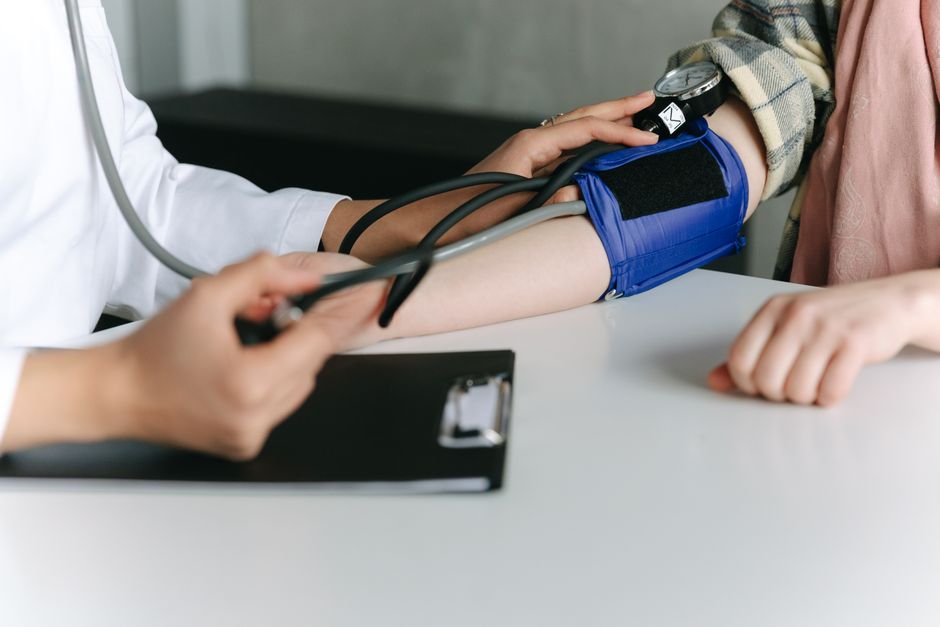
When a nurse wraps the cuff around your arm and calls out two numbers, those figures are measuring two different jobs your heart does with every beat. The top number, called systolic pressure, is the force of blood pushing against your artery walls when your heart squeezes. The bottom number, called diastolic pressure, is the pressure that remains in your arteries when your heart relaxes and refills between beats. Together they describe how hard your heart is working and how much resistance it meets in your blood vessels.
What Do Blood Pressure Numbers Mean Top And Bottom?
The two numbers measure pressure in millimeters of mercury, written as mm Hg. That unit is a holdover from the mercury gauges once used to measure pressure, but it remains the standard today.
Systolic pressure (the top number) reflects the peak force your heart generates when it contracts and pushes blood out into your arteries. It tells you how forcefully your heart is ejecting blood and how stiff or flexible your large arteries are.
Diastolic pressure (the bottom number) reflects the resting pressure inside your arteries between beats. It tells you how much resistance your smaller blood vessels are offering and how well your arteries are relaxing.
Both numbers matter. For decades, doctors paid more attention to diastolic pressure, especially in younger people. Research over the past several decades has shown that systolic pressure becomes increasingly important as people age, and that both numbers independently predict cardiovascular risk. Neither one is optional.
What Is a Normal Blood Pressure Reading?
A normal blood pressure reading is below 120/80 mm Hg. That means a systolic pressure under 120 and a diastolic pressure under 80.
These categories come from widely used clinical guidelines, including those from the American Heart Association and the American College of Cardiology. The categories are based on the average of two or more readings taken on separate occasions, not a single measurement.
| Category | Systolic (mm Hg) | Diastolic (mm Hg) |
|---|---|---|
| Normal | Below 120 | Below 80 |
| Elevated | 120–129 | Below 80 |
| Stage 1 hypertension | 130–139 | 80–89 |
| Stage 2 hypertension | 140 or higher | 90 or higher |
| Hypertensive crisis | Higher than 180 | Higher than 120 |
A reading in the hypertensive crisis range requires immediate medical attention. If you get a reading that high and have symptoms like chest pain, shortness of breath, numbness, or vision changes, call emergency services.
One important note: a single high reading does not mean you have high blood pressure. Stress, caffeine, a full bladder, talking during the measurement, or even the setting of a doctor’s office can push numbers up temporarily. This is sometimes called white coat hypertension. Your doctor will typically confirm a diagnosis with multiple readings over time, or with at-home monitoring.
Why Does Systolic Pressure Tend to Rise With Age?
Arteries stiffen over time. That is the main reason systolic pressure tends to climb as people get older.
Young, healthy arteries are elastic. They stretch when the heart pushes blood into them and recoil between beats, which smooths out the pressure wave. When arteries lose that elasticity — through normal aging, atherosclerosis, or long-standing high blood pressure — they cannot stretch as well. The result is a higher peak pressure during each heartbeat.
This is why isolated systolic hypertension (a high top number with a normal bottom number) is the most common form of high blood pressure in people over 60. The bottom number often stays normal or even drops slightly with age, because stiff arteries do not hold as much residual pressure between beats.
This pattern matters clinically. Some older adults and even some clinicians may focus on the normal diastolic number and overlook an elevated systolic number. But systolic pressure is a strong predictor of heart attack, stroke, and heart failure in older adults. It should not be dismissed.

What Does It Mean If Only One Number Is High?
Either number being elevated matters, and each pattern points to somewhat different underlying issues.
- High systolic, normal diastolic (isolated systolic hypertension): Most common in older adults. Usually reflects stiff large arteries. This pattern carries real cardiovascular risk and often needs treatment.
- Normal systolic, high diastolic: More common in younger adults. Often linked to increased resistance in smaller arteries and can be related to obesity, stress, or hormonal factors. It also warrants attention.
- Both numbers high: Suggests broader hypertension affecting both large and small vessels. This is the most common pattern in middle-aged adults.
Some people have what is called white coat hypertension — high readings only at the doctor’s office. Others have masked hypertension — normal readings at the doctor’s office but high readings at home. Both patterns are real and can affect treatment decisions. Home blood pressure monitoring helps clarify which pattern you have.
How Is Blood Pressure Measured Accurately?
Getting an accurate reading takes more care than most people realize. Small errors in technique can shift your numbers by several points.
A few things that matter:
- Sit quietly for at least five minutes before the measurement.
- Keep your back supported and both feet flat on the floor.
- Rest your arm on a flat surface at heart level.
- Use a cuff that fits your arm properly — too small a cuff reads high.
- Do not talk or check your phone during the measurement.
- Empty your bladder first.
- Avoid caffeine, exercise, and smoking for at least 30 minutes beforehand.
At home, take two readings about one minute apart, in the morning and again in the evening. Bring your monitor to a doctor’s visit to check it against theirs. Home monitors are generally accurate when validated, but wrist and finger monitors tend to be less reliable than upper-arm cuffs.
What Causes High Blood Pressure?
For most people with high blood pressure, no single cause is found. This is called primary or essential hypertension, and it develops gradually over years.
Several factors contribute to it:
- Genetics and family history
- Age-related stiffening of arteries
- Excess body weight
- High sodium intake
- Low potassium intake
- Physical inactivity
- Chronic stress
- Excessive alcohol consumption
- Smoking and tobacco use
- Poor sleep, including sleep apnea
In a smaller number of cases, high blood pressure is secondary — meaning it is caused by another condition. Kidney disease, thyroid disorders, adrenal gland tumors, certain medications, and sleep apnea are among the more common secondary causes. Secondary hypertension should be suspected when blood pressure is very high, starts suddenly, or does not respond to standard treatment.
High blood pressure usually has no symptoms. That is why it is called the silent killer. You can feel completely fine and still have dangerously elevated pressure. The only way to know is to measure it.
What Do the Numbers Mean for Your Health Risk?
Higher blood pressure means higher risk. That relationship holds across the entire range, not just above a certain cutoff.
Research consistently shows that risk of heart attack, stroke, heart failure, kidney disease, and vision loss rises as blood pressure rises. The relationship is continuous — even readings in the elevated range (120–129 systolic) are associated with more risk than readings below 120.
This does not mean everyone with slightly elevated numbers will develop heart disease. It means that on a population level, lower blood pressure within the normal range is associated with lower cardiovascular risk. Individual risk depends on many factors, including age, family history, cholesterol, diabetes, smoking, and other conditions.
What is well established: treating high blood pressure reduces the risk of stroke, heart attack, and heart failure. The benefit of treatment has been shown repeatedly in large clinical trials. What is debated: exactly when to start medication for mildly elevated readings, and how low to aim for in different groups. Guidelines differ somewhat on these points, and your doctor will consider your overall risk profile.
When Should You Check Your Blood Pressure?
Adults should have their blood pressure checked at least once a year at a routine visit, or more often if readings have been elevated.
If you have been diagnosed with high blood pressure, home monitoring is often recommended. It gives a more complete picture than occasional office readings and helps track whether treatment is working. Your doctor can advise how often to check based on your situation.
Some people should check more frequently — those with a history of heart disease, diabetes, kidney disease, or those taking blood pressure medication. Pregnant women should have blood pressure monitored regularly, because both high and low readings can signal complications.
If you ever get a reading above 180/120 mm Hg, wait five minutes and measure again. If it is still that high, seek medical care immediately. If you have symptoms like chest pain, difficulty breathing, weakness, or trouble speaking, call emergency services right away.
Frequently Asked Questions
Which blood pressure number is more important?
Both matter, but systolic pressure (the top number) becomes a stronger predictor of cardiovascular risk as people age. Diastolic pressure is often more informative in younger adults. Neither number should be ignored.
What if my top number is high but my bottom number is normal?
This pattern is called isolated systolic hypertension and is most common in adults over 60. It reflects stiffening arteries and is linked to increased risk of stroke and heart disease, so it usually needs treatment.
Can blood pressure be high only at the doctor’s office?
Yes. This is called white coat hypertension and affects a meaningful number of people. Home monitoring or a 24-hour ambulatory monitor can help determine whether your readings are truly elevated or only rise in a clinical setting.
What blood pressure reading is dangerously high?
A reading above 180/120 mm Hg is considered a hypertensive crisis and needs immediate medical attention. If you also have symptoms like chest pain, shortness of breath, or vision changes, call emergency services.
