
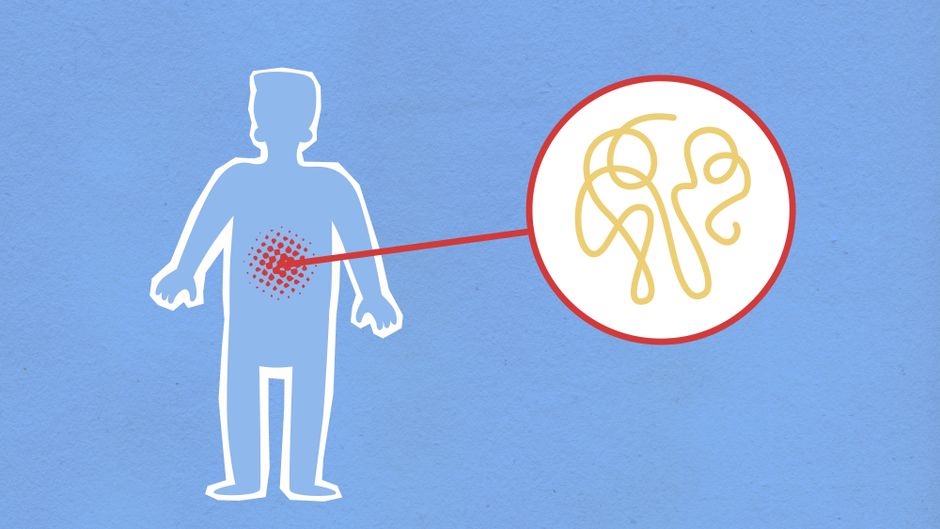
Low stomach acid is not just a minor digestive nuisance. It can be a real medical problem with symptoms that range from bloating to serious nutritional deficiencies. While the condition is less famous than heartburn, it is common and often goes undiagnosed. The key is understanding that low stomach acid, also known as hypochlorhydria, can disrupt digestion from the very first step, leading to a cascade of health issues. This article explains what low stomach acid is, how to recognize it, and what the genuine risks are.
What Does Stomach Acid Actually Do?
Stomach acid, primarily hydrochloric acid, is far more than a fluid that breaks down food. It is the body’s first line of defense against harmful bacteria and viruses that enter through your mouth. This acid creates an environment so hostile that most pathogens cannot survive.
It also activates an enzyme called pepsin, which is essential for breaking down proteins. Without enough acid, protein digestion is incomplete. Large protein molecules can then enter the intestines, where they may trigger immune reactions or cause discomfort.
Finally, stomach acid is necessary for the absorption of certain nutrients. Vitamin B12, calcium, iron, and magnesium all rely on adequate stomach acid for proper uptake. When acid levels drop, your body may not absorb these nutrients effectively, even if your diet is rich in them.
What Causes Low Stomach Acid?
Low stomach acid becomes more common with age. Many experts believe that acid production naturally declines as we get older, though the exact rate varies from person to person. This is why older adults are more prone to nutrient deficiencies and digestive complaints.
Chronic stress is another major factor. The digestive system requires a relaxed state to function well. When you are under constant stress, your body prioritizes survival functions over digestion, which can reduce acid output.
Certain medications are known culprits. Proton pump inhibitors (PPIs) like omeprazole and esomeprazole are designed to reduce stomach acid, but they can suppress it for far longer than intended. Long-term use of these drugs is one of the most common causes of hypochlorhydria in clinical practice.
Other causes include autoimmune conditions, such as atrophic gastritis, and prior stomach surgery. Helicobacter pylori infection, a common bacterial infection, can also damage the stomach lining and impair acid production over time.
Signs and Symptoms of Low Stomach Acid
The symptoms of low stomach acid are often mistaken for high stomach acid. This is a major reason why the condition is frequently overlooked. Many people treat their symptoms with antacids, which only makes the underlying problem worse.
Common symptoms include a feeling of fullness after eating only a small amount of food, bloating, belching, and a sensation that food is sitting in the stomach for too long. Some people experience heartburn, which seems counterintuitive but happens because the lower esophageal sphincter fails to close properly when digestion is impaired.
Other signs appear outside the digestive tract. Chronic fatigue, iron deficiency anemia, and unexplained hair loss can all be linked to poor nutrient absorption caused by low stomach acid. Skin issues like acne or eczema may also worsen, as incomplete protein digestion can increase inflammation.
Frequent infections can be another clue. Since stomach acid kills incoming pathogens, low levels may leave you more vulnerable to foodborne illness and intestinal infections.





Is Low Stomach Acid Bad? The Real Risks
Yes, low stomach acid is bad when it persists. The risks go far beyond occasional bloating. One of the most serious consequences is small intestinal bacterial overgrowth, commonly called SIBO. When stomach acid fails to sterilize the stomach, bacteria from the colon can migrate upward and multiply in the small intestine. This leads to chronic gas, diarrhea, and malabsorption of fats and carbohydrates.
Nutritional deficiencies are a major risk. Vitamin B12 deficiency is especially concerning because it can cause permanent nerve damage if left untreated. Symptoms of B12 deficiency include tingling in the hands and feet, balance problems, and cognitive decline. Iron deficiency is also common, leading to anemia, fatigue, and weakness.
Protein malabsorption can weaken muscle mass over time. If your body cannot properly break down dietary protein, you may not get enough amino acids to maintain muscle tissue. This is particularly important for older adults who are already at risk for sarcopenia, or age-related muscle loss.
There is also evidence suggesting that chronic low stomach acid increases the risk of food allergies and intolerances. When larger protein fragments enter the bloodstream, the immune system may react to them as foreign invaders, triggering allergic-type responses.
How Is Low Stomach Acid Diagnosed?
Diagnosis is not something you should attempt at home. The most reliable method is the Heidelberg test, which measures the pH of the stomach directly. This involves swallowing a small capsule that transmits pH readings to a recorder. It is accurate but not widely available and can be expensive.
Another option is a gastric acid analysis, which involves passing a tube through the nose into the stomach to collect fluid. This is uncomfortable but provides precise measurements.
Some practitioners use a less invasive approach called the baking soda test. This involves drinking a mixture of baking soda and water and timing how long it takes to belch. The logic is that baking soda reacts with stomach acid to produce carbon dioxide gas, causing a burp. If no burp occurs within a few minutes, low acid is suspected. However, this test is not scientifically validated and can produce false results. It should never be used as a substitute for medical evaluation.
If you suspect low stomach acid, the first step is to see a healthcare provider. They can order blood tests to check for nutrient deficiencies, screen for H. pylori infection, and rule out other conditions that mimic hypochlorhydria.
Treatment Options and What the Evidence Shows
Treatment depends on the underlying cause. If a medication like a PPI is responsible, your doctor may recommend reducing the dose or switching to a different drug. Never stop taking a prescribed PPI suddenly, as rebound acid hypersecretion can occur and cause severe heartburn. Work with your doctor to taper off safely.
For age-related or idiopathic low acid, some clinicians recommend betaine hydrochloride supplements. These are capsules that provide additional hydrochloric acid to support digestion. Some research suggests they can improve symptoms in people with confirmed hypochlorhydria, but the evidence is limited. Betaine HCl is not appropriate for everyone. People with active ulcers, gastritis, or those taking NSAIDs should avoid it due to the risk of damaging the stomach lining.
Dietary changes can help. Eating smaller meals more frequently reduces the burden on the stomach. Chewing food thoroughly is also critical, as it begins the digestive process before food even reaches the stomach.
Zinc is a mineral that supports acid production. A deficiency in zinc can impair your body’s ability to make stomach acid. Some studies suggest that zinc supplementation may help restore acid levels in deficient individuals, but routine supplementation is not recommended without testing.
Lifestyle Habits That Support Healthy Stomach Acid
Managing stress is one of the most effective ways to support healthy digestion. Practices like deep breathing, meditation, and regular physical activity activate the parasympathetic nervous system, which signals the stomach to produce acid. Eating in a relaxed environment, without screens or rushed schedules, can also make a noticeable difference.
Eating slowly and mindfully is not just a cliché. The sight, smell, and thought of food trigger the cephalic phase of digestion, which prepares the stomach for the incoming meal. This phase accounts for a significant portion of acid secretion. Skipping it by eating on the run can reduce acid output.
Adequate hydration is important, but it matters when you drink. Drinking large amounts of water with meals can dilute stomach acid. It is better to sip small amounts during the meal and drink most of your fluids between meals.
Regular exercise supports overall digestive health, but intense exercise immediately after eating can redirect blood flow away from the stomach. Wait at least an hour after a large meal before engaging in vigorous activity.
When to See a Doctor
Occasional bloating or fullness after a heavy meal is not usually a cause for concern. However, you should seek medical advice if you experience persistent digestive symptoms that last more than two weeks. Unexplained weight loss, difficulty swallowing, vomiting, or signs of gastrointestinal bleeding such as black stools require prompt medical attention.
If you are over 50 and have new-onset digestive symptoms, do not assume it is low stomach acid. Age-related changes in digestion are common, but so are more serious conditions. A medical evaluation is essential to rule out gastric cancer, which is more common in older adults and can present with similar symptoms.
Self-treating with acid supplements without a diagnosis is risky. If your symptoms are actually caused by an ulcer or gastritis, adding more acid can cause significant harm. Always get a proper diagnosis before starting any treatment.
Frequently Asked Questions
Can low stomach acid cause heartburn?
Yes. When digestion is impaired, the lower esophageal sphincter may fail to close properly, allowing acid to reflux into the esophagus.
How can I test for low stomach acid at home?
The baking soda test exists, but it is not scientifically validated and can give misleading results.
Is it safe to take betaine HCl supplements?
Betaine HCl is safe for some people with confirmed low acid, but it is dangerous for those with ulcers or gastritis.
Can low stomach acid cause weight gain?
Low stomach acid does not directly cause weight gain, but poor digestion and nutrient malabsorption can disrupt metabolism indirectly.
