
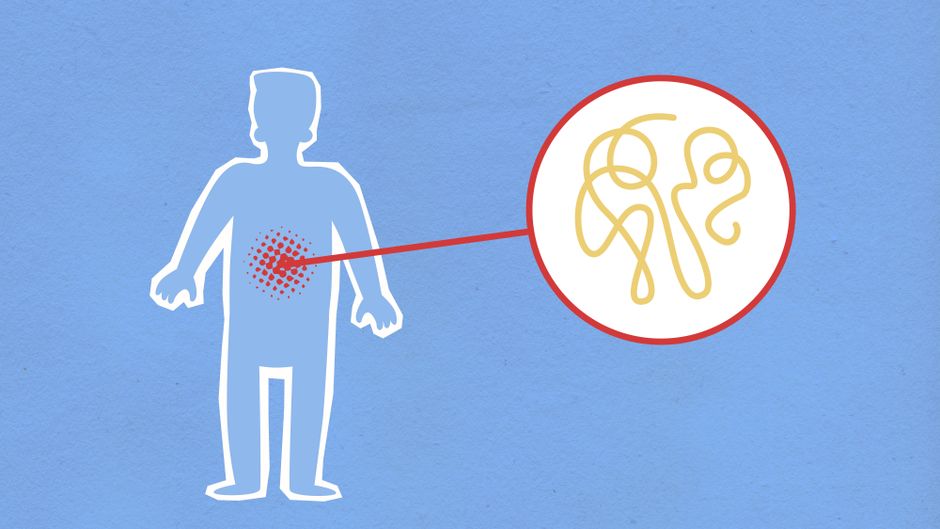
Bloating is one of the most common reasons people see a doctor for digestive issues. When the stomach lining becomes inflamed, a condition called gastritis, bloating is often one of the first symptoms people notice. The connection is real and well-documented: inflammation disrupts the stomach’s normal function, which can slow digestion and trap gas. Here is what experts say about how stomach inflammation causes bloating, and what you can do about it.
What Happens When Your Stomach Lining Is Inflamed?
The stomach lining has a specific job. It produces acid and enzymes that break down food, and it protects itself from that same acid. When the lining becomes inflamed, that protective layer is compromised.
This inflammation sends a signal to the digestive system that something is wrong. The stomach may not empty as quickly as it should. This is called delayed gastric emptying. When food sits in the stomach longer than normal, it ferments and produces gas. That gas builds up and causes that full, tight, swollen feeling you know as bloating.
Inflammation also changes how the stomach stretches. A healthy stomach expands easily to hold a meal. An inflamed stomach is more sensitive to stretching. Even a small amount of food can trigger a feeling of pressure and fullness that feels like bloating.
Does Stomach Inflammation Cause Bloating in Everyone?
No. Some people with significant gastritis have no symptoms at all. Others have severe bloating with only mild inflammation. The severity of the inflammation does not always match the severity of the symptoms.
That said, bloating is one of the most frequent complaints in people diagnosed with gastritis. Along with bloating, common symptoms include a burning pain in the upper abdomen, nausea, and feeling full after eating only a small amount. The bloating may be worse after meals, especially after eating foods that are high in fat or fiber, because these take longer to digest.
If your bloating comes with weight loss, vomiting, or black stools, that is not typical gastritis. Those symptoms require immediate medical attention.
What Causes the Inflammation in the First Place?
Several things can inflame the stomach lining. The most common cause is an infection with a bacterium called Helicobacter pylori, or H. pylori. This infection is very common worldwide and is a major cause of gastritis.
Regular use of nonsteroidal anti-inflammatory drugs (NSAIDs) such as ibuprofen and naproxen is another leading cause. These medications interfere with the stomach’s protective lining. Even occasional use can cause problems for some people.
Other causes include excessive alcohol consumption, stress from severe illness or injury, and autoimmune conditions where the body attacks its own stomach lining. In many cases, especially chronic gastritis, the cause is a combination of factors.





How Is Gastritis Diagnosed?
Doctors do not diagnose gastritis based on symptoms alone. Bloating has many causes, and gastritis is just one of them. Irritable bowel syndrome, food intolerances, and even constipation can cause bloating that feels identical.
To confirm gastritis, a doctor will typically start with a physical exam and blood tests. They may also order a stool test to check for H. pylori. The most definitive test is an upper endoscopy. During this procedure, a thin tube with a camera is passed through the mouth into the stomach. The doctor can see the inflammation directly and take a small tissue sample, called a biopsy, for analysis.
An endoscopy is not done for everyone with bloating. It is usually reserved for people with severe symptoms, risk factors for complications, or signs of bleeding. For many people, a doctor will treat symptoms and test for H. pylori first.
What Treatment Options Actually Work?
Treatment depends on the cause of the inflammation. If H. pylori is found, a course of antibiotics is the standard treatment. This usually involves taking two different antibiotics plus a medication that reduces stomach acid. This combination therapy is highly effective at clearing the infection.
If NSAIDs are the culprit, stopping or reducing those medications is the first step. Your doctor can recommend alternatives for pain relief if you need them.
Acid-reducing medications are a mainstay of treatment for all types of gastritis. These include proton pump inhibitors (PPIs) like omeprazole, and H2 blockers like famotidine. They work by reducing the amount of acid the stomach produces, which allows the inflamed lining to heal. Some are available over the counter, but long-term use should be discussed with a doctor.
Antacids can provide fast, short-term relief from bloating and discomfort. They neutralize acid already in the stomach. They do not heal the inflammation, but they can make you more comfortable while other treatments take effect.
Can Diet Help With Gastritis Bloating?
Diet changes do not cure gastritis, but they can reduce symptoms while the stomach heals. The goal is to avoid foods that increase acid production or irritate the lining.
Common triggers include:
- Spicy foods
- Fried and fatty foods
- Citrus fruits and juices
- Tomato-based products
- Caffeine and carbonated drinks
- Alcohol
Eating smaller, more frequent meals can help. A large meal stretches the stomach and triggers more acid production. Smaller meals put less pressure on an already sensitive stomach lining.
Some research suggests that foods rich in antioxidants, such as berries, leafy greens, and certain teas, may support stomach health. But no specific diet has been proven to heal gastritis on its own. Dietary changes are a complement to medical treatment, not a replacement for it.
When Should You See a Doctor for Bloating?
Occasional bloating after a large meal is normal. But persistent bloating that lasts for weeks, or bloating that comes with pain, nausea, or changes in appetite, deserves a medical evaluation.
Seek immediate care if bloating is accompanied by severe abdominal pain, blood in vomit or stool, or difficulty swallowing. These can be signs of a more serious condition, including a stomach ulcer or, in rare cases, stomach cancer.
Gastritis is very treatable, especially when caught early. The key is getting an accurate diagnosis rather than guessing. Bloating is a symptom, not a disease. Understanding its cause is the only way to treat it effectively.
Frequently Asked Questions
Can stomach inflammation cause bloating every day?
Yes, chronic gastritis can cause daily bloating, especially after meals. If bloating is persistent, a medical evaluation is recommended to confirm the cause.
How long does gastritis bloating last?
Bloating typically improves within a few days of starting treatment for the underlying cause. Complete healing of the stomach lining can take several weeks.
Does drinking water help gastritis bloating?
Water does not treat the inflammation itself, but staying hydrated helps digestion move normally. Drinking large amounts at once can worsen bloating, so sip water steadily through the day.
Can stress cause stomach inflammation and bloating?
Stress does not directly cause gastritis, but it can worsen symptoms and increase acid production. Managing stress may help reduce the intensity of bloating.
